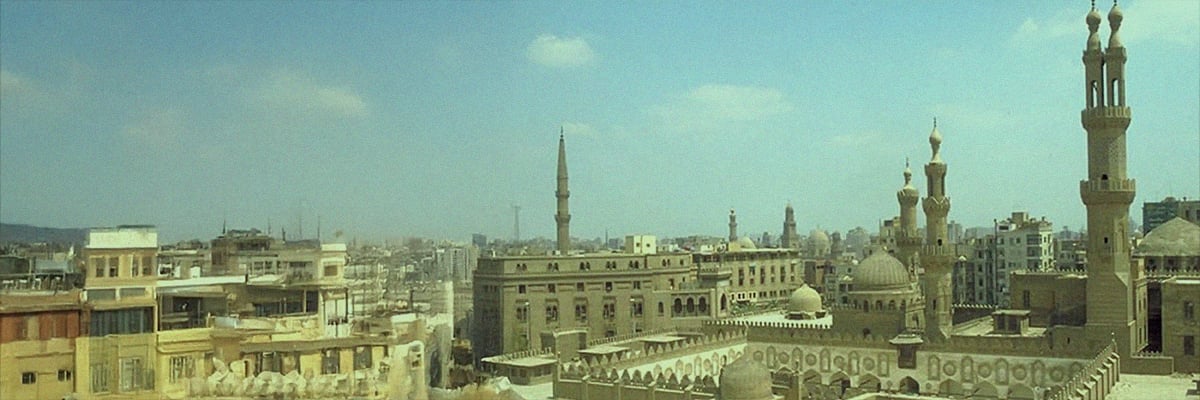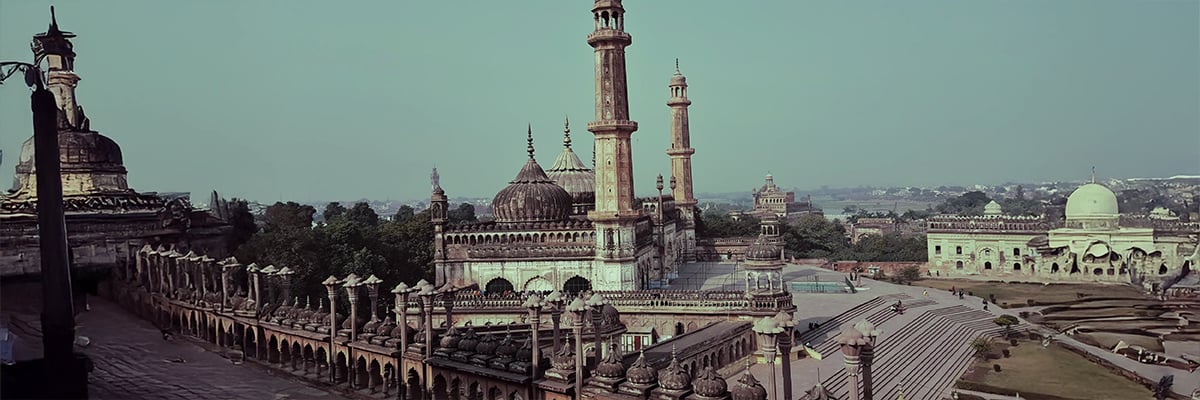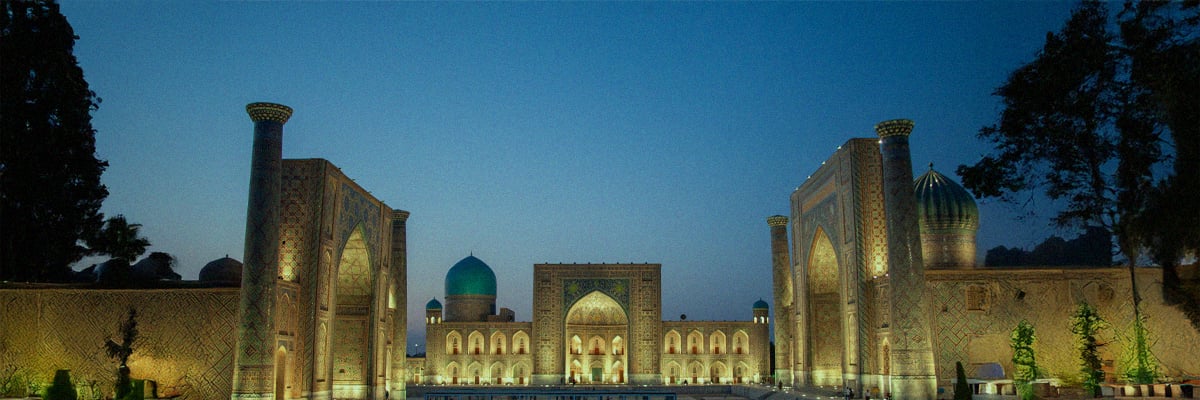

Among the most enchanting locations in Old Cairo are the Khan Al-Khalili Bazaar and Al-Muizz Street. While many early Islamic cultural cities have been either destroyed or significantly transformed, Islamic Cairo, encompassing the Al-Azhar Mosque and its surroundings, has remarkably retained its historical essence. This continuity contributes significantly to Cairo’s status as one of the most important tourist destinations in the world.
A book that provides a comprehensive history of bazaars in Islamic cities is The Bazaar in the Islamic City: Design, Culture, and History, published by the American University. Edited by Mohammad Gharipour, a professor of architecture at the University of Maryland, the book begins by challenging the problematic Orientalist perspectives on Islamic cities that have persisted since the 19th century.
Orientalist views generally depicted Muslims and the Eastern world as distant and unfamiliar, in contrast to the structured and municipally governed Western markets. Muslim bazaars, on the other hand, functioned differently, and early Orientalist evaluations often portrayed them as chaotic and unregulated spaces.
The term bazaar originates from the Persian word vazār, meaning a market where people gather. Similarly, the Arabic word souk conveys the same meaning. Bazaars played a significant role in shaping the cultural, commercial, and social lives of Islamic cities.
The Evolution of Bazaars in the Islamic World
In pre-modern Islamic societies, bazaars existed in two primary forms: permanent urban markets and seasonal temporary markets. The movements of Arab traders centered around these markets, which could be found in regions such as Iraq, Syria, and Ethiopia. Despite the prevalence of tribal conflicts, bazaars remained largely unaffected, as carrying weapons into them was strictly prohibited. Guards were stationed to ensure that all visitors adhered to the market’s rules.
One of the most famous of these markets was the Ukaz market in Makkah, which played a crucial role in shaping political and social themes in Arabic poetry. The market gained particular prominence during the pilgrimage season when large crowds gathered there.
The Madina Miniature
The most exemplary model of an Islamic city was Medina. With the migration (hijra) of the Prophet Muhammad ﷺ from Mecca to Medina, the city transformed into a center of unparalleled urban civilization. Medina set the precedent for the development of Islamic cities, with mosques as their focal points. This is reflected in the very etymology of the Arabic word madina, meaning ‘city.’ The Islamic city was not merely a physical space but also a moral and intellectual hub, fostering the rapid spread of knowledge and culture.
New cities such as Basra, Kufa, and Baghdad emerged as centers of Islamic civilization, with bazaars playing a crucial role in their economic and social fabric. During the Umayyad period, cities took on more sophisticated forms, with Basra being a prime example.
Beyond Cairo, the book discusses the diversity of bazaars in cities such as Damascus, Basra, Aleppo, Sana’a, Nablus, Kabul, Tehran, Istanbul, and Yazd. It also examines how these bazaars evolved over time.
Aleppo: A Charming Market City
Aleppo, Syria, stood out as one of the most beautifully designed market cities, thriving from the medieval period to modern times. When T. E. Lawrence visited Aleppo in 1914, he was captivated by its charm, describing it as follows:
“Aleppo is a city of compartments filled with color. Here, one can experience the aroma of the East, and the vibrant silk displays make one’s perception of clothing more exquisite.”
The bazaars of Aleppo were predominantly located along the banks of the Quwayq River. The presence of fresh water nearby added to the vibrancy of the markets. Notably, every major mosque in the city was accompanied by a bustling bazaar. This trend, originating from the Prophet’s city of Medina, was a common feature across Islamic lands.
Khan Al-Khalili: The Pride of Islamic Cairo
One of the most significant bazaars in Egypt is Khan Al-Khalili. It is situated in the heart of medieval Cairo, surrounded by mosques and religious institutions. It is located near the Sayyidna Hussein Mosque, where the head of Hussein (RA) is believed to be enshrined, and the renowned Al-Azhar Mosque. While Al-Azhar served as a major intellectual center, Sayyidna Hussein Mosque held great spiritual significance, drawing thousands of visitors daily. Furthermore, from the 10th to the 16th centuries, some of the most powerful and influential Islamic governments were based in Cairo, further elevating Khan Al-Khalili’s prominence.
The first Islamic city in Egypt was Fustat, established in 642 CE. Initially, it functioned as a military camp but soon evolved into a thriving urban settlement, surrounded by markets. However, these markets lacked systematic planning. In 969 CE, three centuries later, the Fatimids conquered Egypt and established Cairo as their administrative capital. The city was scientifically designed, and its new urban planning facilitated the establishment of markets such as Khan Al-Khalili.
Khan Al-Khalili Bazaar was first built in 1385 by Amir Jarkas Al-Khalili. In 1511, Sultan Al-Ghuri, the ruler of Cairo at the time, undertook the restructuring of the bazaar. He commissioned skilled artisans to renovate it in a more organized manner, installed gates, and transformed it into Cairo’s primary commercial hub. The bazaar attracted Armenian, Jewish, and Persian merchants, and over time, Egyptian traders also became dominant.
Today, Khan Al-Khalili remains one of Egypt’s most prominent tourist attractions. Although economic changes and European influences have reshaped Egypt’s trade practices, Khan Al-Khalili still stands as a testament to the grandeur of Islamic bazaars. It continues to preserve the essence of a traditional Islamic marketplace, offering visitors a glimpse into the vibrant commercial culture that once defined the Islamic world.
Islamic bazaars were not merely places of trade; they were dynamic spaces where culture, politics, and social interactions intertwined. They played an instrumental role in shaping the identity of Islamic cities, and their legacy continues to be felt in the historical marketplaces of the Muslim world today.