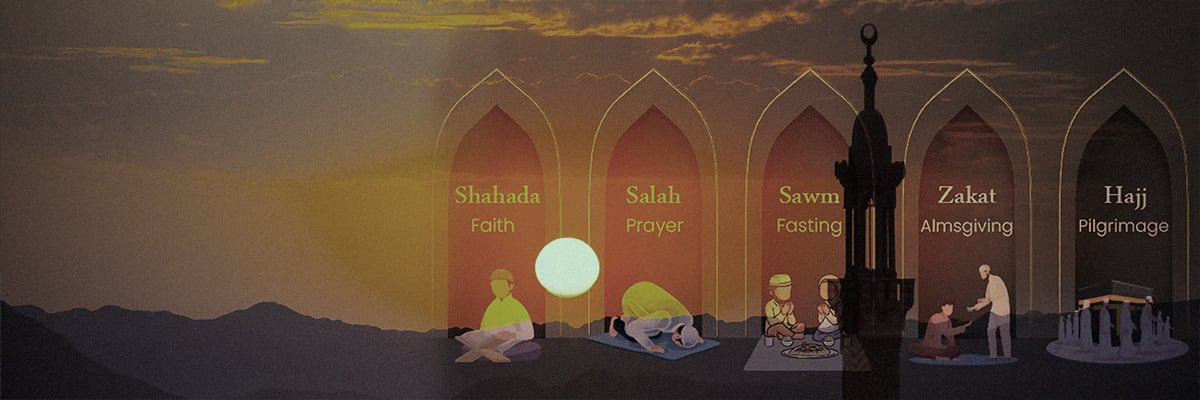

Every rite of Hajj reflects the moving story of sacrifice and devotion shown by Prophet Ibrahim (Abraham) and his family during their difficult trials. Among these sacred symbols is the blessed water of Zamzam, forever tied to their life story.
As commanded by Allah, Prophet Ibrahim left his wife Hajar and infant son Ismail alone in the barren desert, a place with no people, no food, and no water. Imagine the harsh, blazing wilderness—lifeless, unforgiving, empty. With only a handful of dates and a small water vessel given by her husband, Hajar was left behind. As the food and water diminished, anxiety swelled in her chest.
The child Ismail, tormented by thirst, began to cry and wail. Beside him, helpless and desperate, a mother’s heart trembled. Hajar began to run—frantic, hopeful—between two hills in search of water. Those hills are today known as Safa and Marwa. Her determined running forms the basis of Sa’i, a major rite of Hajj, commemorating this act of maternal struggle.
But in that scorching wilderness, every flicker of hope turned out to be a mirage. Where in such a wasteland could pure water ever be found?
Returning disheartened to her child, Hajar witnessed a miracle! A divine marvel! From the spot where the child had rubbed his tiny heel against the ground, water had begun to gush forth—fresh, flowing, and abundant! Her heart overflowed with joy! Quickly, she tried to contain the springing water with her hands and pack it with sand.
She cried out instinctively, “Ya maa’u zam zam!” (“O water, gather yourself!”), and thus was born the sacred name: Zamzam.
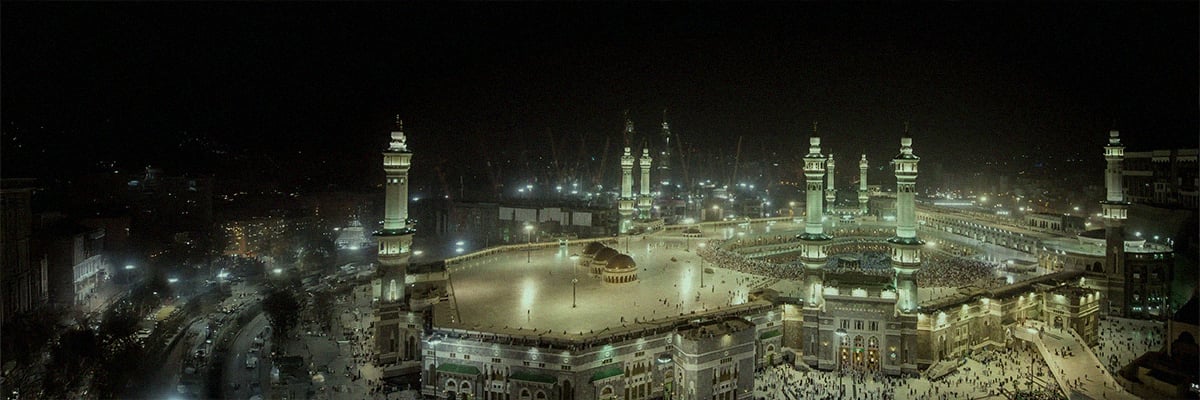
Since that moment, the blessed well has never dried. It still flows in the sacred precincts of Makkah to this day.
Zamzam is a treasure trove of blessings. It holds both spiritual and physical benefits. The Prophet ﷺ promised: “Whatever intention one drinks Zamzam for, it shall be fulfilled.” Many scientific studies have been conducted around Zamzam. Researchers have found that Zamzam has a unique crystalline structure not found in any other water.
Every day, hundreds of thousands of liters of Zamzam are distributed from the well. During the Hajj season, this number nearly multiplies twentyfold. Pilgrims take it with them not only to Madina but also carry it back to their homelands, preserving and sharing its sanctity.