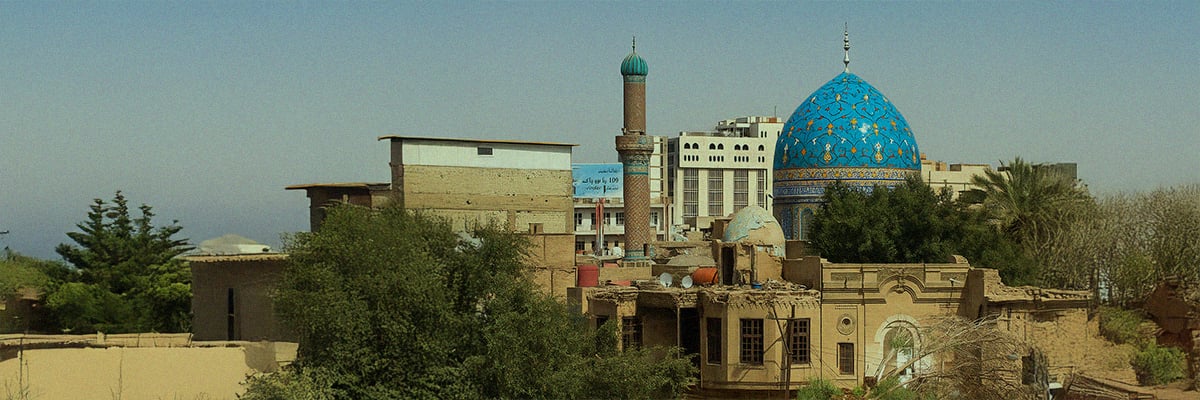

The caliph had summoned him to the palace. A royal decree had been sent. The emperor himself had requested the presence of the great scholar. But what followed was not submission, but a moment that would be etched into the history of knowledge.
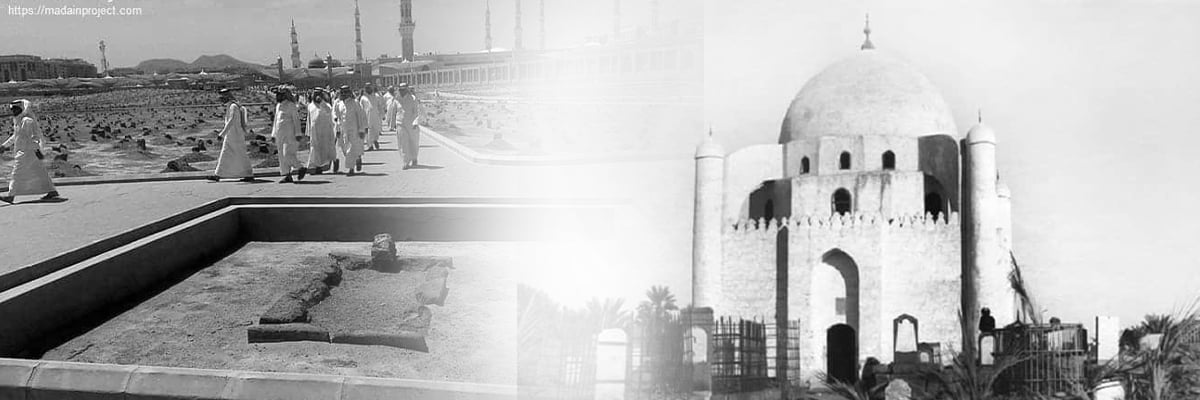
In Madinah, the scholar’s circle flourished. His school teemed with eager students—heirs to a world of thought, drinking deeply from the springs of Qur’an, Sunnah, and wisdom. It was here, in this cradle of learning, that the Caliph Hārūn al-Rashīd once arrived on a state visit.
Wishing to meet the scholar in person, the caliph issued a command:
“Tell the Imām to come and recite his work to me. I want to hear it from his own tongue.”
He entrusted the task to his vizier, Yaḥyā al-Barmakī. The vizier rushed to the scholar’s side with the royal order. But the scholar’s reply stunned him:
“Knowledge is not something that travels to kings. It is the king who must come to knowledge. Whoever seeks, must go to the sought. Let there be no confusion about that.”
Barmakī stood speechless. Still, with trepidation, he relayed the response to the caliph. Uproar followed.
“How can this happen?” some cried. “What shame for us Iraqis—how can our caliph be told to go to someone like a student?”
One man, the famed Qāḍī Abū Yūsuf, insisted:
“You must act decisively, Your Majesty. Let no one dare belittle the caliphate. Do not go to him!” But Hārūn al-Rashīd remained silent.
Days passed. Eventually, the caliph did come—to the scholar. And when they finally met, he asked, not without curiosity:
“Why did you not obey the summons?”
The sage’s response would become the stuff of legend.
“Let me tell you a story,” he began.
“Khārijah once narrated from his father, Zayd ibn Thābit—the one who used to write down revelation for the Prophet ﷺ.
One day, the Messenger ﷺ said, ‘The believers who stay at home are not equal to those who strive in battle.’ At that moment, a blind Companion, Ibn Umm Maktūm, was sitting nearby. He became worried and said, ‘O Messenger of Allah, I cannot see. Will I not receive the reward?’ The Prophet ﷺ paused. And then revelation came down again. He told Zayd, ‘Write: Except for those who are disabled or have a valid excuse.’”
The scholar looked into the caliph’s eyes and continued:
“Jibrīl (peace be upon him) traveled across five hundred years’ worth of distance to deliver a single phrase. That’s how sacred knowledge is. That’s how carefully it must be conveyed. And that’s why it cannot be summoned—it must be sought. This authority to value knowledge came not from scholars, but from Allah Himself. Do not devalue it.”
The caliph’s heart softened. His pride gave way to reverence. He desired now—genuinely—to visit the scholar’s school. And so he went.
When he arrived at the lesson, the Imām welcomed him and seated him on the platform beside him. The room was full—students from all walks of life were gathered, commoners and seekers alike. Then the scholar said gently:
“Do you see all these people? They are here for knowledge. I can only speak to you after I’ve spoken to them. For knowledge meant only for the elite, and not shared with the public, is of no benefit to anyone.”
Hearing this, the caliph silently rose from the platform and stepped down to sit with the crowd—like any other student. And so, under the humble roof of a Madinan school, the shadow of the throne bowed to the light of learning.The scholar who had taught a ruler how to approach knowledge with humility? He was none other than Imām Mālik ibn Anas, the radiant lamp of Madinah, and the Imām of the people of Sunnah.