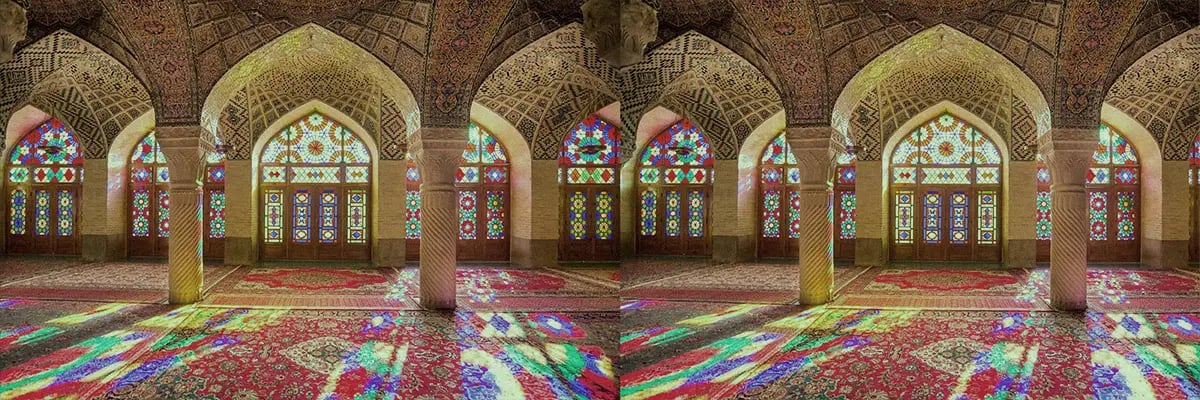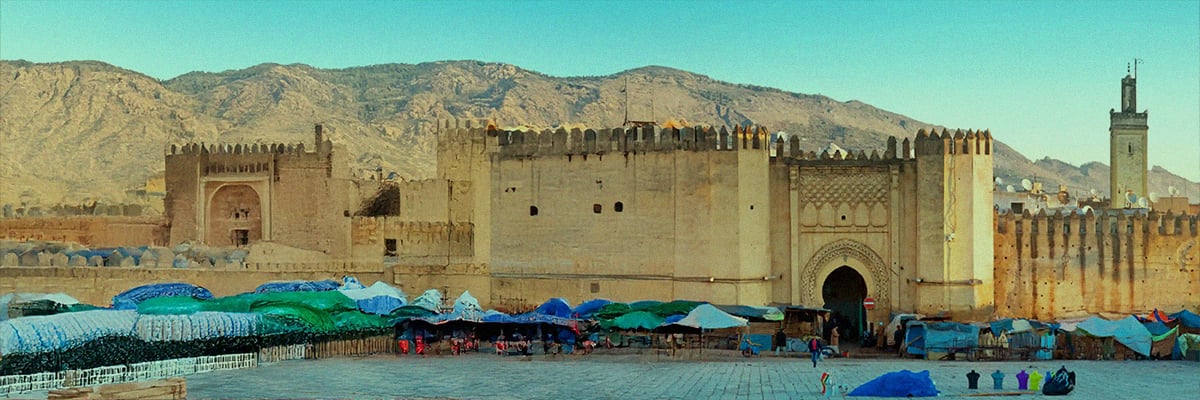

One of the most remarkable contributions of the golden era of Muslim civilization is the transformation of architecture. Islam embodies an approach where everything is harmonized aesthetically. The Quran attests to the perfection of human creation, and the famous prophetic saying states: “Allah is Beautiful and loves beauty.” Islam, as a religion, encourages beauty in all aspects, inspiring humans to cultivate both their internal and external character with elegance.
Art is essentially the rhythmic and aesthetic arrangement of raw materials in a construction. Since the advent of Islam, such harmonious compositions have been distinctively applied in architectural creations, particularly in mosques. A significant study on the formation and evolution of Islamic architecture was conducted by the French historian and archaeologist Oleg Grabar.
Grabar’s book, The Formation of Islamic Art, explains how art and architecture have been intricately woven into the religious and social life of Muslims since the very beginning of Islam. He argues that the Quran describes mosques as divine abodes, which is why Muslim believers exerted immense effort to make their construction as magnificent as possible.
The experience of worship in mosques incorporates both communal and individual dimensions. At times, prayers are performed collectively, and at other times, alone. Every mosque and its adjacent structures are designed in a way that best accommodates the act of worship, which is the most significant function of a mosque. From the time of Prophet Muhammad ﷺ, mosques have also served as centers for disseminating knowledge and teaching moral values. The Friday sermon (khutbah), which is part of the special Jumu‘ah prayer, has traditionally emphasized how believers should align their lives with religious principles. Over time, the concept of the mosque as a central religious institution led to a widespread practice of designing mosques with remarkable beauty.
Grabar points to the Grand Mosque of Damascus, constructed by the Umayyad Caliph al-Walid between 706 and 715 AD, as an example of this architectural splendor. The Damascus Grand Mosque was designed with three grand entrances, a breathtaking interior, pathways leading to the mihrab, four towering minarets, and a central dome. The entire floor was covered with marble, and the walls were adorned with colorful mosaics.
Similarly, the Grand Mosque of Córdoba, built in 987 AD, is an architectural masterpiece where Islamic aesthetics were executed with extraordinary finesse. Cities often developed around such mosques. As mosques became centers of beauty, the surrounding houses, markets, and trade establishments also evolved with aesthetic and structural harmony, enriching the artistic sensibilities of Muslim communities.
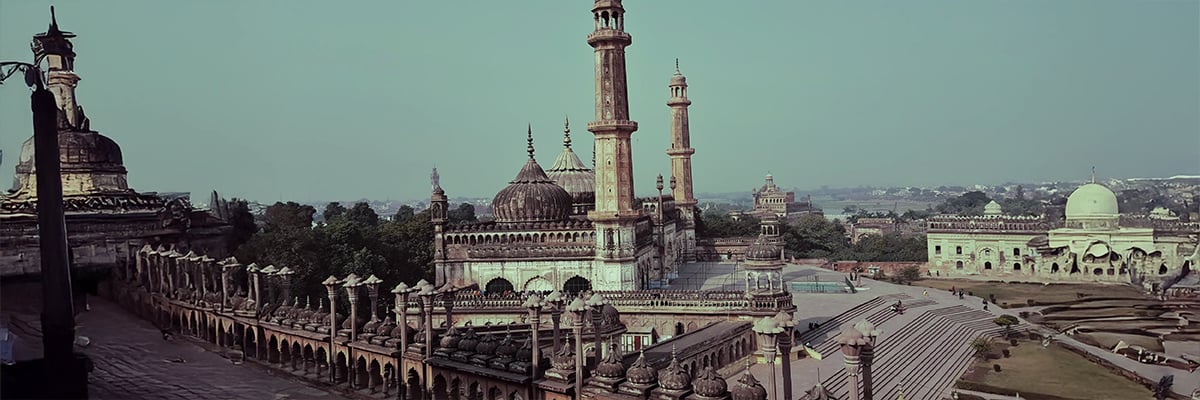
An important aspect of Islamic mosque architecture is its adaptation to regional characteristics and climatic conditions. The design of a mosque in Syria was not the same as that in Córdoba. In arid regions like Egypt, where rainfall was rare, mosques were built with open courtyards. This diversity can also be observed in India—mosques in Delhi and Gujarat, with expansive open areas, contrast with those in South India, where heavier rainfall necessitated different architectural adaptations.
A defining feature of mosques is the mihrab, the prayer niche indicating the direction of Mecca, where the prayer leader (imam) stands. From the earliest period, this space has been elaborately designed. In the Prophet’s Mosque (Masjid al-Nabawi) in Medina, the place where Prophet Muhammad ﷺ led prayers is considered its most sacred part. Similarly, in every mosque, the mihrab is constructed with exceptional beauty, making it the focal point of the prayer space.
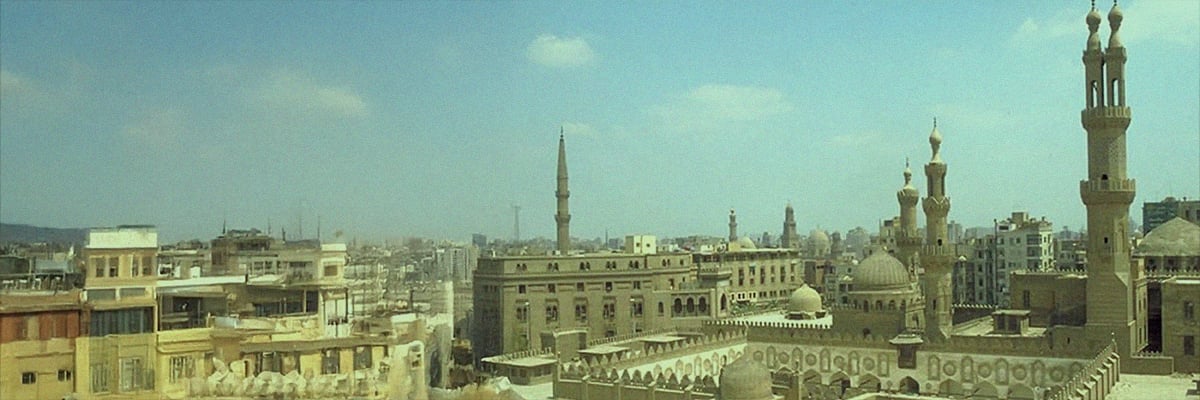
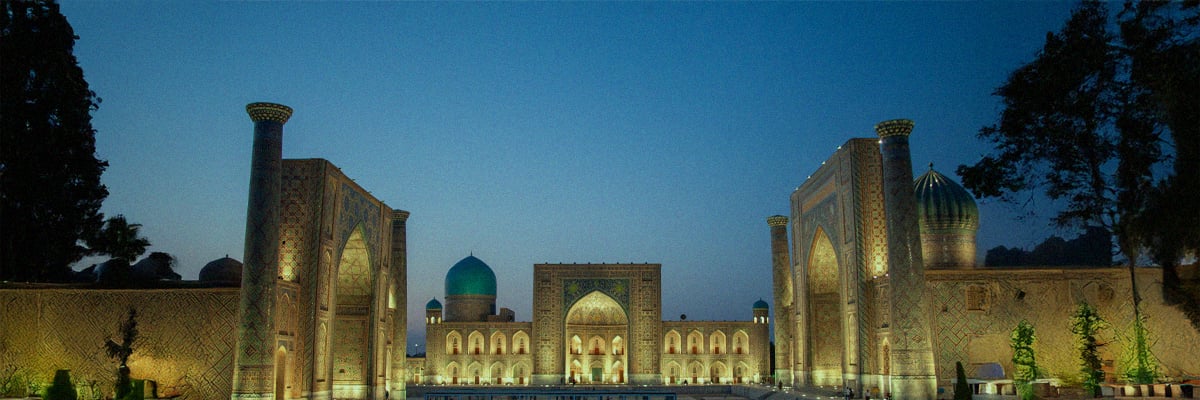
The aesthetic grandeur of mosques later shaped the overall design of Islamic cities. In 10th-century Cairo, the most distinguished structure was Al-Azhar Mosque. Over the next two centuries, the city’s expansion revolved around this mosque. The architectural style used in mosques influenced the construction of intellectual centers and residences, creating a unified urban aesthetic. Furthermore, each ruling dynasty in the Islamic world built mosques in their distinct architectural styles. Since constructing places of worship was considered a meritorious act, Muslim rulers allocated a portion of their wealth for this purpose. This tradition can be observed in cities like Baghdad, Cairo, Isfahan, and Delhi, where grand mosques were built as symbols of piety and architectural excellence.