
From the medieval period onward, Muslims have been at the forefront of preserving, producing, and disseminating knowledge through books, manuscripts, and scholarly research. The rapid expansion of libraries and the systematic organization of intellectual works flourished under Muslim rule, particularly after the eighth century, when Muslims mastered the art of paper production. With the Abbasid Caliphate actively promoting the translation of texts from various world languages into Arabic, the demand for books grew exponentially.
Caliph Al-Ma’mun, known for his commitment to scholarship, incentivized translation efforts by rewarding scholars with gold coins based on the weight of the texts they translated from Greek into Arabic. This initiative led to the accumulation of vast collections of books, fostering a culture of intellectual curiosity among both Muslims and non-Muslims. Under Abbasid rule, hundreds of public libraries were established across the Islamic world, making books more accessible than ever before.
Even before the emergence of scientific literature, Islam’s reverence for the written word had already taken shape with the codification and preservation of the Qur’an. Since it was revealed to the Prophet Muhammad ﷺ in oral recitations, many of his companions memorized the verses as they were transmitted. Others recorded them on available materials such as palm leaves, cloth, and stones. The first complete written copy of the Qur’an was preserved by Hafsa, the daughter of the second caliph, Umar ibn al-Khattab. Later, the third caliph, Uthman ibn Affan, ordered the Qur’an to be compiled and standardized in a single script. Copies of this official version, produced over 1,400 years ago, are still preserved in libraries across the world.
The deep attachment that Muslims developed toward books led to the proliferation of libraries throughout the Islamic world. Public and private libraries emerged in major cities, attracting scholars from distant lands. Unlike earlier manuscript collections, books in these libraries were produced using high-quality paper, with text inscribed on both sides and bound with leather covers—much like modern books.
The Rise of Public Libraries
By the medieval period, libraries had become an integral part of the Islamic intellectual landscape. Almost every mosque had a dedicated collection of books. When the Mongols sacked Baghdad in 1258, historical accounts note that there were at least 88 libraries in the city, along with over a hundred bookstores. Many of these booksellers were not merely merchants; they were also publishers who employed skilled calligraphers to produce manuscripts. Similar libraries thrived in Cairo, Aleppo, Iran, and Central Asia.
The libraries attached to mosques were commonly referred to as Dar al-Kutub (House of Books). These institutions were not merely repositories of manuscripts but centers of intellectual discourse. Scholars, writers, and ordinary citizens gathered there for study and discussion. Public debates, open to anyone interested in learning, were frequent, and professional scribes often converted these discussions into written works.
Beyond public institutions, private libraries also flourished. Historian Edward Gibbon recorded a remarkable incident involving a Muslim physician in Bukhara. The city’s sultan invited him to serve at the royal court, but he declined. His reason? He could not bear to part with his personal book collection, which was so extensive that it required 400 camels to transport. Such was the devotion of Muslim scholars to their libraries.
Scholars and Their Devotion to Books
Among the great scholars who contributed to this intellectual tradition was Al-Jahiz, an eminent Muslim polymath who lived in ninth-century Iraq. After spending 50 years in Baghdad, he returned to his hometown of Basra, where he continued his literary pursuits. During his lifetime, he authored over 200 books, dedicating his remaining time entirely to study. His Book of Animals, spanning seven volumes, explored topics such as ant societies and animal behaviors. Ironically, his lifelong immersion in books led to his tragic death—at the age of 92, he passed away when a massive pile of books collapsed upon him in his private library.
The reverence for books among medieval Muslim scholars extended beyond personal interest; many bequeathed their vast manuscript collections to mosque libraries upon their death, ensuring that knowledge remained accessible to the public. Historian Al-Jabouri recounts an extraordinary example: a Turkish widow named Nail Khatun, in honor of her late husband, funded the construction of a mosque, a school, and an adjoining library. She also established a system that provided travelers with free lodging and meals, fostering an environment where scholars could study and contribute their books to the library.
Architectural Marvels: The Grandeur of Medieval Muslim Libraries
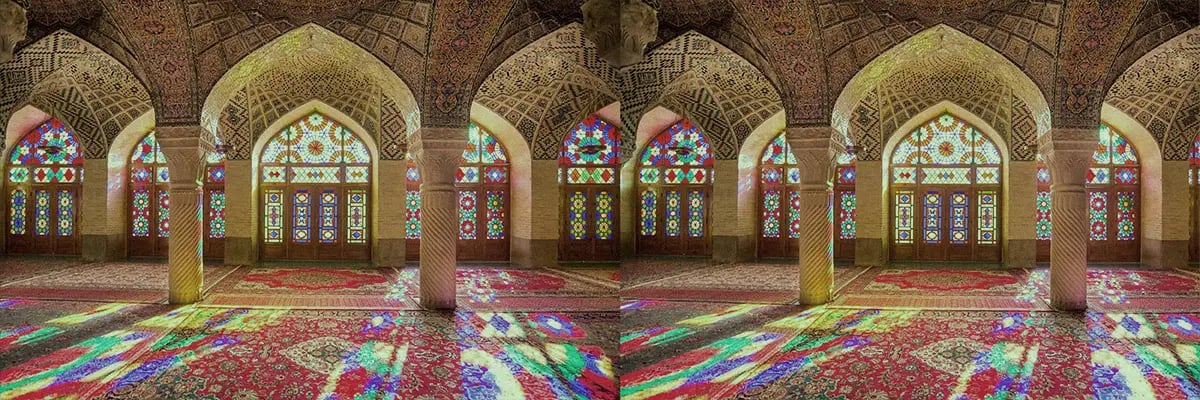
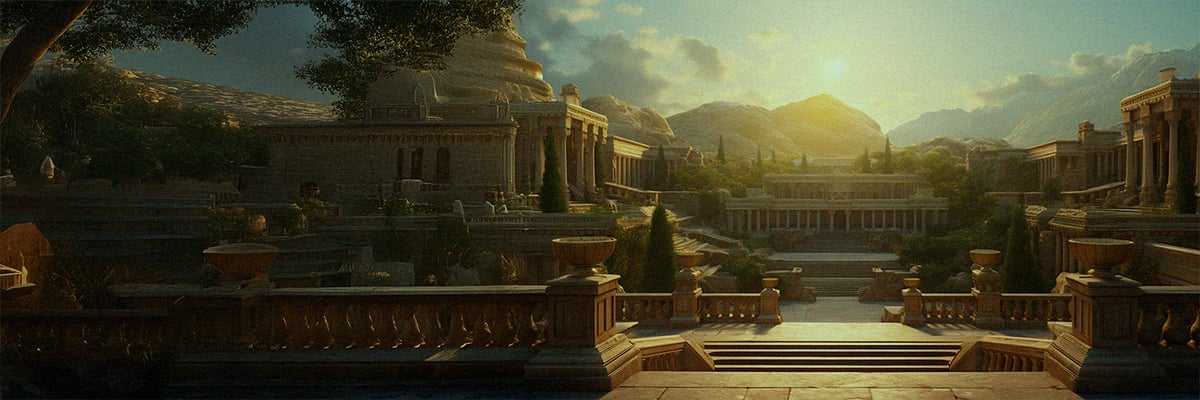
Some of the most magnificent libraries in history were built under Muslim patronage. The tenth-century historian Al-Muqaddasi describes the grand libraries of Shiraz in Iran as breathtaking structures surrounded by lush gardens, with fountains and small lakes interspersed throughout the landscape. The library building itself was a two-story edifice adorned with domed ceilings, housing 360 individual reading rooms. Each department had carefully cataloged bookshelves, making texts easily accessible. Rooms were furnished with carpets, offering scholars a comfortable space to study.
Similar libraries were established in Cairo and Cordoba, often housed in separate buildings adjacent to mosques. These institutions included specialized sections such as reading rooms, galleries, manuscript copy centers, and halls dedicated to literary discussions. Lighting arrangements, carpets, beds, and sofas were provided to ensure a conducive environment for scholarship.
Cataloging and Book Lending Systems
A sophisticated cataloging system was developed to manage the vast collections in medieval Muslim libraries. Books were meticulously classified, with detailed indices placed outside each bookshelf to help readers locate texts quickly. Lending systems also existed, similar to modern libraries. Historian Yaqut noted that he was personally allowed to borrow up to 200 volumes without the need for formal documentation—an exceptional privilege granted only to esteemed scholars. Generally, however, strict regulations ensured the safekeeping of books: borrowers were prohibited from writing personal notes in the margins, and books had to be returned within a specified period in their original condition.
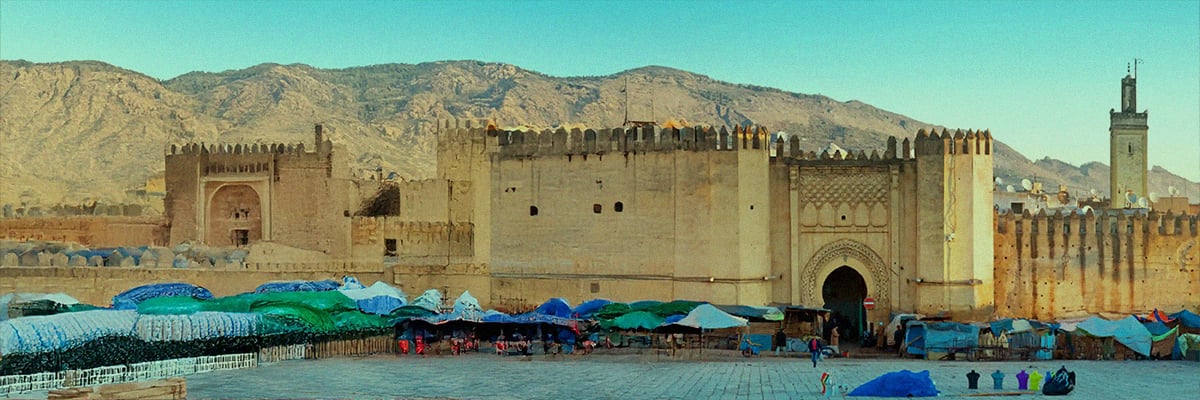
The role of the librarian was held in high esteem, requiring extensive knowledge of various disciplines. In the twelfth and thirteenth centuries, during the rule of the Almohads in North Africa, the position of librarian was considered one of the most prestigious appointments in the government.
The Heritage of Muslim Libraries
The Islamic world’s commitment to books and libraries played a crucial role in the preservation and expansion of knowledge. By investing in the production, collection, and organization of books, Muslim scholars ensured that intellectual achievements were not only recorded but also widely disseminated. This literary culture laid the foundation for many of the scientific advancements that would later influence Europe’s intellectual awakening.
The libraries of the medieval Muslim world were not just places to store books; they were centers of knowledge production, innovation, and public engagement. Their influence extended far beyond the Muslim lands, shaping the intellectual traditions of the modern world. Even today, the heritage of these institutions serves as a tribute to the Islamic civilization’s deep respect for learning and scholarship.