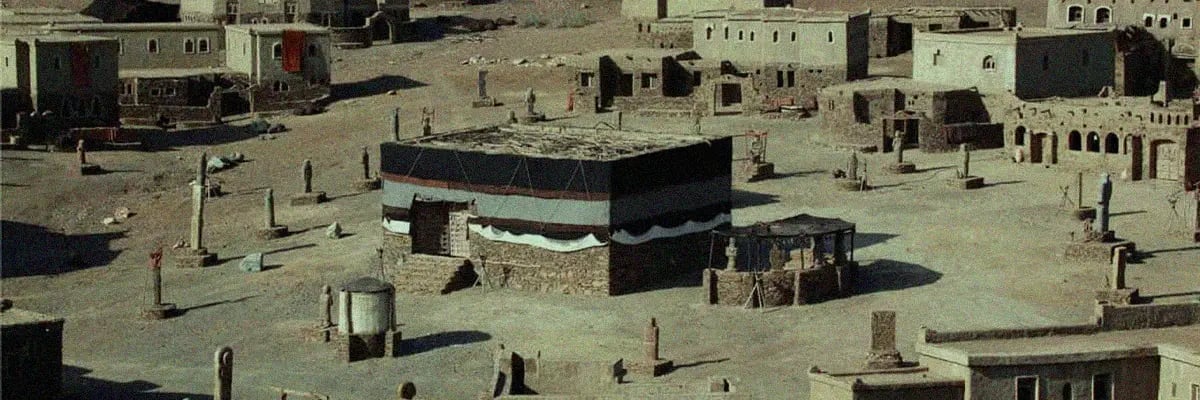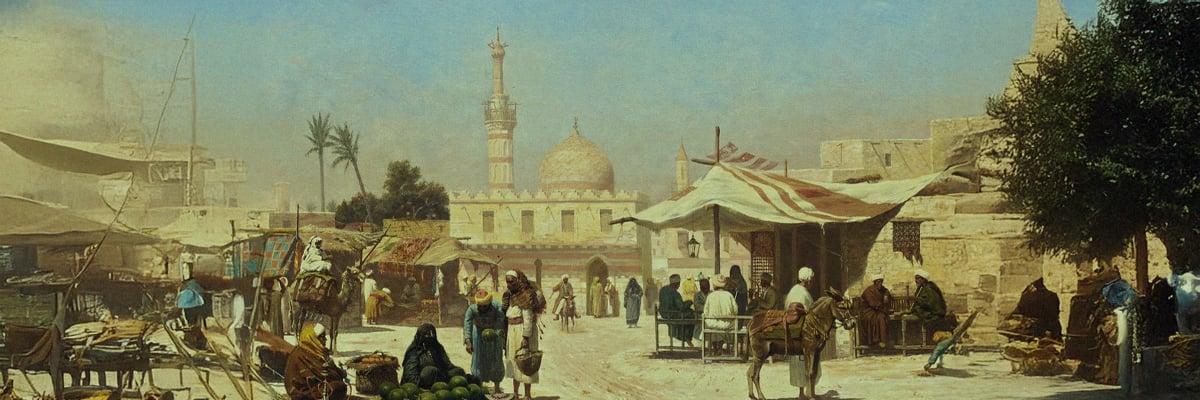

In the serene stillness of the Prophet’s Mosque in Madinah, a sudden commotion breaks out. A Bedouin, unaware of the sanctity of the space, begins to urinate right there in the mosque. The companions, shocked and angered by the act, leap to their feet, ready to intervene. Voices rise, tension fills the air.
But amidst the chaos, the Prophet Muhammad ﷺ, calm and unshaken, raises his hand, signaling for restraint. “Let him finish,” he says, his voice composed yet firm. The companions pause, bewildered. Could this really be the appropriate response?
When the man finishes, the Prophet ﷺ approaches him—not with rebuke, but with kindness. “This mosque,” he gently explains, “is not a place for filth or impurities. It is a sanctuary for remembering Allah, for prayer, and for reciting the Quran.” His words are soft but full of purpose. Then, turning to his companions, he instructs, “Bring a bucket of water and pour it over the spot.”
No scolding. No humiliation. Just a simple act of cleansing, both of the mosque and the heart of the villager.
Now think for a moment—what might have happened if the man had been chased away or roughly rebuked? The sacred space would have been defiled even further, and more tragically, the man might have left feeling alienated, humiliated, or resentful. Instead, the Prophet ﷺ, with his infinite wisdom and mercy, transformed this moment into a powerful lesson. It was not just a lesson for the villager but for everyone present—and for all of us today—a masterclass in compassion, patience, and practical wisdom.
This is the essence of the Prophet ﷺ: a teacher, a guide, and above all, a mercy to humanity.
The Mosque as a School of Humanity
The Prophet Muhammad ﷺ was not merely a man of worship. He was a teacher who awakened compassion in people’s hearts through practical guidance. The mosque he established in Madinah was not only a place for prayer but also a school for cultivating empathy, discipline, and universal human values.
Even today, as visitors sit in the Prophet’s Mosque, they often feel an invisible presence—a reminder of the unparalleled grace and discipline the Prophet ﷺ embodied.
Compassion Embodied
In a world that often feels void of kindness, the Prophet ﷺ’s inspirations of mercy remains as relevant as ever. Consider these timeless sayings of his:
Aisha, the Prophet’s wife, reported:
"Gentleness beautifies everything it touches, and its absence leaves everything tarnished."
(Sahih Muslim)
Jarir bin Abdullah narrated:
"Whoever is denied gentleness is denied all goodness."
(Sahih Muslim)
Anas bin Malik reported that the Prophet ﷺ said:
"Make things easy, do not make them difficult. Spread glad tidings, and do not drive people away."
(Sahih al-Bukhari, Sahih Muslim)
The Power of Forgiveness
One of the most vivid examples of the Prophet’s ﷺ mercy can be found in the story of Ta’if. When the Quraysh of Makkah rejected his call to Islam, the Prophet ﷺ traveled to the city of Ta’if, hoping its people might listen. Instead, he was mocked and pelted with stones. Blood flowed from his noble feet as he walked away, dejected and in pain.
At a place called Qarn al-Tha'alib, a cloud offered him shade, and within it was Jibreel (Gabriel). Jibreel introduced the Angel of the Mountains, who said, “If you wish, I can crush the people of Ta’if between these two mountains.”
But the Prophet ﷺ, despite his anguish, refused. “No,” he replied. “I hope that their descendants will one day accept Islam.”
This was not just restraint; it was a profound expression of hope and love for humanity.
Justice with Compassion
Another story highlights the Prophet’s ﷺ sense of justice tempered with understanding. A young boy once climbed into an orchard and plucked some dates. The owner, upon catching him, reacted harshly stripping the boy’s clothing and beating him. The boy ran to the Prophet ﷺ for help.
The Prophet ﷺ summoned the orchard owner and asked, “Why did you act so harshly? If he took out of ignorance, you should have taught him. If he took out of hunger, you should have fed him.”
The Prophet ﷺ then instructed the man to return the boy’s clothing and compensate him with a measure of dates—turning a moment of conflict into one of fairness and compassion.
A Remarkable Teacher
The Prophet ﷺ’s compassion extended even to the smallest of mistakes. One day, during prayer, a man sneezed, and another responded with “May Allah have mercy on you” (YarhamukAllah). While well-meaning, this broke the silence of prayer, and the congregation began glaring at him. Feeling embarrassed, the man muttered, “What’s wrong with everyone looking at me?”
After the prayer, the Prophet ﷺ gently addressed the man. Without scolding, he explained, “Prayer is a time for glorifying Allah, magnifying Him, and reciting the Quran. It is not a time for worldly speech.”
The man later recalled, “I have never seen a teacher before or after him who was so kind and patient. He did not scold me, hit me, or insult me.”
The Inspirations of Gentleness
The Prophet Muhammad ﷺ was divinely described in the Quran:
"It is by the mercy of Allah that you were gentle with them. If you had been harsh or hard-hearted, they would have dispersed from around you."
(Surah Aal-E-Imran, 3:159)
His life is a tapestry of compassion, woven with countless examples of patience, forgiveness, and tenderness. He taught that kindness is not a weakness but a strength that adorns every action it touches.
In today’s world, where hearts are often hardened by cynicism, the lessons of the Prophet ﷺ shine as a beacon of hope. His life reminds us that even the simplest acts of gentleness can transform people, bridge divides, and cultivate love.
Let his words and actions inspire us to embody mercy, just as he embodied the highest virtues of humanity. For in doing so, we not only follow his example but also nurture a world that desperately needs kindness and compassion.