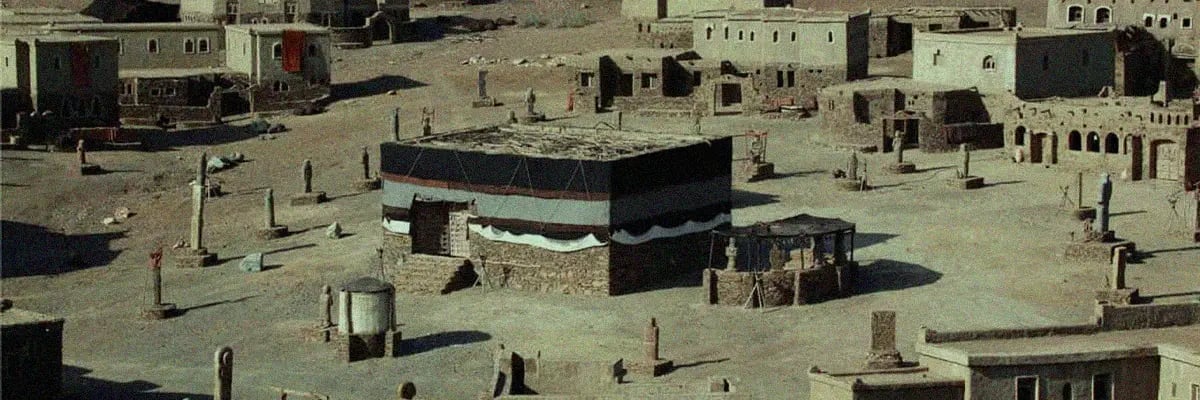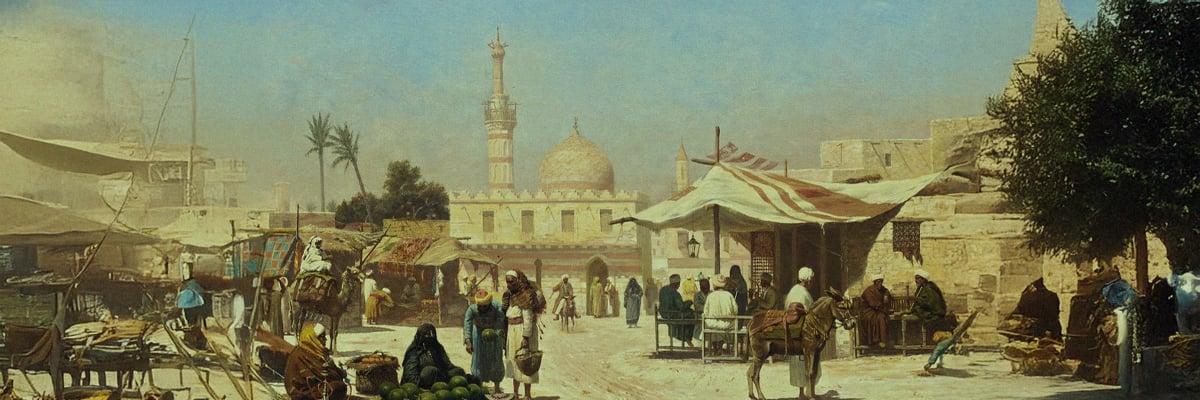

In the quiet hum of Madinah’s Mosque, where the companions gathered to listen to the Final Messenger ﷺ deliver his Friday sermons, a simple palm trunk served as his pulpit. For years, it had stood humbly, bearing the weight of his words, a silent witness to the profound guidance that shaped the lives of the believers. One day, however, a woman from among the Ansar approached the Prophet ﷺ with a thoughtful suggestion.
"Messenger of Allah," she said, "I have a skilled carpenter who can craft a proper pulpit for you—something that would better serve your needs." Her idea was practical and generous, reflecting her awareness of the growing community’s requirements. The Prophet ﷺ, always open to sound counsel, welcomed her suggestion. Shortly after, a three-step pulpit was constructed: two steps for ascending and a third for seating, marking a new chapter in the mosque’s history.
On the day the new pulpit was used for the first time, something extraordinary occurred. The moment the Prophet ﷺ left the old palm trunk and stepped onto the new platform, a deep, mournful sound filled the mosque. The trunk wailed—a cry so resonant and human-like that it startled everyone present. It was as if the trunk itself lamented the absence of the one who had leaned on it for so long.
The Messenger ﷺ paused, his heart moved by this display. He descended from the pulpit, approached the crying trunk, and embraced it. Holding it close, he comforted it with his hands and words until the wailing subsided. The congregation looked on, awestruck, as their beloved Messenger ﷺ consoled what they had long considered an inanimate object.
"If I had not calmed it," he later explained, "it would have cried until the Day of Judgment." Some narrations recount an even more touching detail: the Prophet ﷺ asked the trunk, "Do you wish to become a tree on Earth again, or to be replanted in Paradise, where the righteous will enjoy your fruits?" The trunk chose Paradise.
Amid this miraculous event lies a subtle yet profound truth: the woman who suggested the new pulpit played an integral role in this unfolding story. Her initiative and the Prophet’s ﷺ willingness to embrace her idea exemplify a world where women’s voices were valued and their contributions celebrated.
Women’s Voices Were Heard
This story is not an anomaly. The Prophet ﷺ consistently involved women in decisions, respected their opinions, and valued their contributions. In an era when women were often relegated to the margins, the Prophet ﷺ elevated them, granting them a voice in both social and cultural matters.
Umar ibn al-Khattab (RA), a close companion of the Prophet ﷺ, once reflected on the transformative impact of Islam on women’s rights. “Before Islam, we didn’t even consider women significant,” he admitted. “But after the Quran was revealed, so much was said about them, and they were given many rights.”
Yet Umar himself had to adapt to this change. On one occasion, he chastised his wife for suggesting an alternative approach to a household matter. Annoyed, he asked, “Who are you to challenge my decision?”
Her response stopped him in his tracks:
“Why shouldn’t I speak up? Your own daughter Hafsa argues with the Prophet ﷺ and even causes him displeasure at times.”
Realizing the truth in her words, Umar immediately sought his daughter to confirm this. Hafsa’s candid reply was simple: “Yes, we do speak our minds to him.”
The once-oppressed women of pre-Islamic Arabia had become empowered voices in a society now shaped by justice and equity.
The Boldness of Asma bint Umays
Another remarkable woman of the Prophet’s time was Asma bint Umays. A pioneer of faith, she was among the first Muslims to migrate to Abyssinia to escape persecution. Years later, she visited Hafsa, her friend, the Prophet’s wife and Umar’s daughter. Upon meeting her, Umar asked, “Who is this woman?”
“This is Asma, daughter of Umays,” came the reply.
“Aha! The one who sailed the seas and fled to Abyssinia?” Umar quipped, implying that her migration was somehow lesser than his own early efforts to protect Islam.
Asma was unamused. “You were busy feeding the hungry and advising the ignorant,” she retorted. “Meanwhile, we were enduring hardships in a distant land for the sake of Allah and His Messenger. By Allah, I won’t eat or drink until I bring this matter to the Prophet’s attention!”
When she raised the issue, the Prophet ﷺ smiled and settled it with fairness:
“O Umar, they had two migrations. You had only one.”
In this simple yet profound response, the Prophet ﷺ affirmed Asma’s sacrifices and validated her perspective.
A Model of Consultation
Even during the most challenging moments, the Prophet ﷺ sought women’s advice and implemented their suggestions. One such instance was the Treaty of Hudaybiyyah. After seemingly unfavorable terms were agreed upon, the Prophet ﷺ instructed his companions to slaughter their sacrificial animals and shave their heads, as per the ritual. But no one moved. The companions were disheartened, struggling to accept the treaty’s conditions.
The Prophet ﷺ entered his tent and confided in his wife, Umm Salama. Her advice was straightforward: “Go out, slaughter your animal, and shave your head. Do it without saying a word.”
He followed her counsel, and upon seeing him act, the companions quickly followed suit. A single woman’s wisdom resolved the crisis, guiding over 1,500 men.
A Dedicated Space for Women’s Voices
Recognizing the unique needs of women, the Prophet ﷺ established dedicated gatherings where they could seek knowledge and address their concerns. Once, a group of women approached him, saying, “The men dominate your time. Assign us a day where we can meet with you.” The Prophet ﷺ agreed and devoted specific times to their questions and teachings.
On one such occasion, he comforted grieving mothers, saying, “Whoever loses three children will have them as a shield from Hellfire.”
A woman asked, “What if it’s only two?”
“Even two,” the Prophet ﷺ reassured.
These gatherings provided a safe and nurturing environment for women to express their thoughts, learn, and find solace.
A Revolution in Women’s Rights
The Prophet ﷺ not only empowered women through his words and actions but also instituted rights that reshaped their status in society. These included:
- The Right to Life – He condemned pre-Islamic practices of female infanticide, declaring them heinous crimes.
- The Right to Security – Women were protected from harm and exploitation.
- The Right to Consent – He emphasized that a woman’s consent was essential for marriage.
- The Right to Education – Women were encouraged to seek knowledge and participate in intellectual discussions.
- The Right to Divorce – Islam granted women the right to initiate divorce (khula).
- Inheritance Rights – The Quran established women’s share in inheritance, a revolutionary step in its time.
These were not theoretical ideals but lived realities under his leadership.
The Prophet ﷺ was not merely a reformer of women’s rights; he was their staunch advocate and guardian. His example continues to inspire movements for justice and equity. Whether it was consoling a grieving mother, defending a woman’s right to speak, or elevating her sacrifices, he proved that true leadership lies in uplifting the vulnerable and honoring the overlooked.
This legacy is not confined to history. It challenges us to reflect: Are we upholding the principles of dignity, compassion, and justice in our treatment of women today? In a world where exploitation often masquerades as empowerment, the Prophet’s ﷺ model offers a path rooted in genuine respect and equity.
Let us learn from him, not just to advocate for rights but to embody the compassion and wisdom that make those rights meaningful.