
Now, let’s imagine standing in a crowd as the Final Messenger, the Chosen One ﷺ, begins to speak—his voice clear and unwavering, each word resonating with purpose and compassion. He doesn’t just speak to his companions; he reaches into their hearts, stirring emotions so strong that even children, watching with wide eyes, feel the sincerity radiating from him. When he speaks, he isn’t simply addressing the community; he is calling them to a deeper understanding of life’s true meaning.
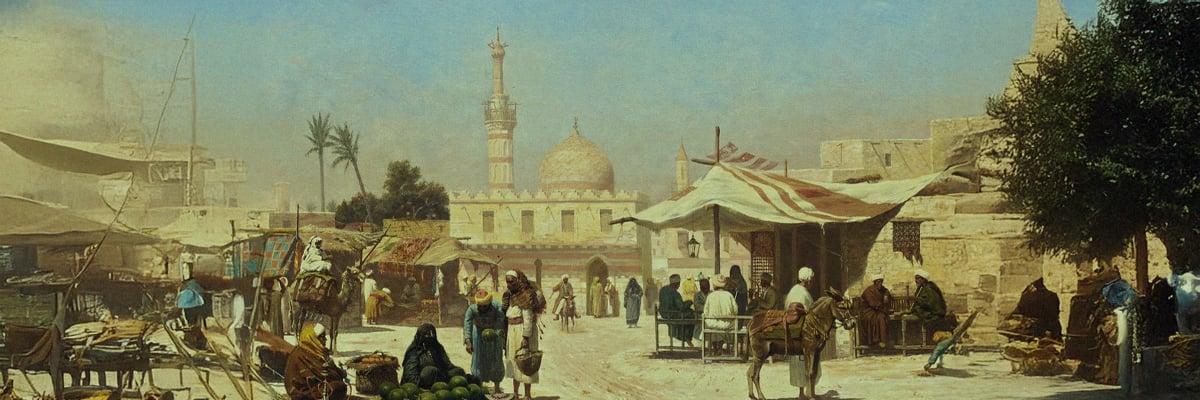
In one of his sermons, he described the realities of the hereafter with such intensity that his voice rose above the ordinary sounds of the city, reaching even the marketplace. People paused to listen, moved as if he were a commander urging his soldiers before battle. The shawl on his shoulder slipped off, unnoticed, as he continued—eyes shining, voice steady. He wasn’t seeking admiration or applause; he was earnestly trying to bring people to the truth he knew so deeply.
The Prophet’s ﷺ sermons were more than just words; they were experiences that guided people toward compassion, justice, and inner peace. His words, filled with genuine care, still echo today, reminding us that his message was not just for those who stood with him centuries ago—it’s for every heart seeking light and meaning, calling us all to a path of mercy, unity, and faith.
The Prophet’s ﷺ speeches were never about theatrical tricks or grandstanding. They were sincere calls to action, filled with truth and urgency. His mission was clear: to awaken people to the realities he himself knew so deeply, guiding them to safety and light.
One day, during a particularly moving sermon, he cried out, “O my people! Have I not conveyed the message?” A young child, innocent and curious, turned to his mother and asked, “Mom, why is the Prophet calling us?” Smiling, she gently explained, “He isn’t calling us, dear; he’s calling out to his people.” From the child’s question, we glimpse the heartfelt intensity of the Prophet’s ﷺ words—words that even a child could feel came from a place of pure sincerity.
Moments of Compassion
Anas ibn Malik, the Prophet’s ﷺ young servant, once recalled, “The Prophet ﷺ gave a sermon so powerful, I had never heard anything like it before. He said, ‘If you knew what I know, you would laugh little and weep much.’” His companions, deeply moved, covered their faces as they sobbed. For ten years, Anas served the Prophet ﷺ, witnessing moments of humility, kindness, and patience that he would carry with him all his life.
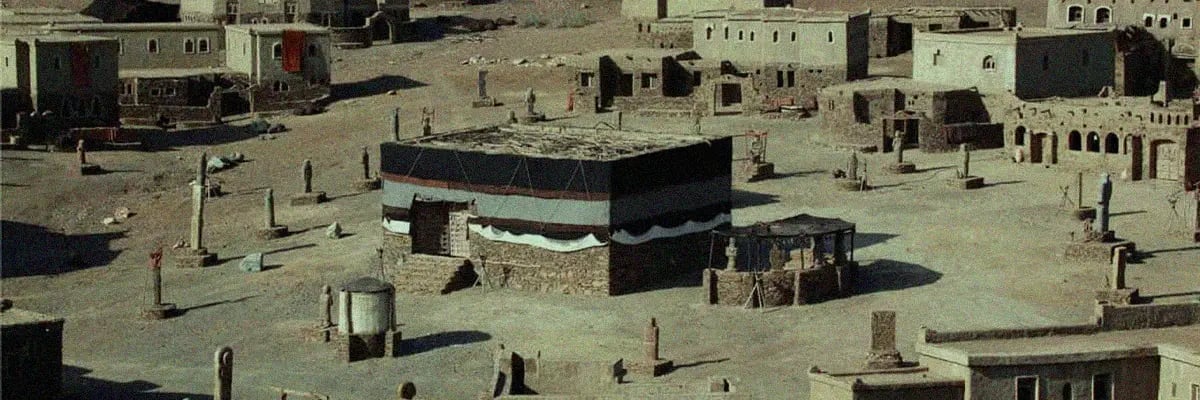
Perhaps the most famous of the Prophet’s ﷺ sermons was delivered at the Farewell Pilgrimage, often regarded as a declaration of human rights. This farewell address was a call for justice and equity, a clear stance against the social ills of the time. It was a message that embraced the marginalized, condemning discrimination and urging respect and compassion for all. He said:
“O people! Listen carefully, for I do not know if I will meet you again after this year. O people! Your blood, property, and honor are sacred, just as this day, this month, and this land are sacred. Return the trusts entrusted to you to their rightful owners. Know that usury is forbidden; I am abolishing all interest due to my uncle Abbas ibn Abdul Muttalib.”
He continued, “All blood feuds from the time of ignorance are annulled; the first blood feud I annul is the blood of Rabī’ah ibn al-Harith, my own relative. Beware of Shaytan’s influence over your lives, for he despairs of ever being worshipped in this land again, but he will try to sway you in smaller matters. Be cautious.”
The Prophet ﷺ addressed not only rights and responsibilities but also unity and kinship: “All humankind is from Adam, and Adam was created from clay. No Arab has superiority over a non-Arab, nor does a non-Arab have superiority over an Arab. Superiority lies only in piety and good action.” As he concluded, he asked, “Have I conveyed the message?” The audience, in unison, replied, “Yes, you have, O Messenger of Allah.” Raising his finger to the sky, he repeated three times, “O Allah, bear witness!” Even now, reading his words from centuries ago, we feel their relevance, as if they address the very issues we face in our world today.
A Voice That Spoke from the Heart
The Prophet’s ﷺ approach to sermons was not one of cold delivery or distant advice. He chose his words carefully, mindful of his listeners, and spoke from a place of profound love and concern. He often opened his speeches by praising Allah and invoking peace, creating an atmosphere of reverence. And when he wanted his message to truly reach people, he took practical steps to ensure they heard him. Often, he would stand on a high platform, or sometimes even on the back of a donkey, so that everyone could see and hear him clearly.
One Friday, a group of impoverished people, wrapped in simple cloths, came to the Prophet ﷺ. Moved by their situation, he ascended the pulpit, reciting verses from the Qur’an that emphasized charity, urging people to give. His words stirred the community, and they began donating whatever they could—gold, silver, clothing, food. He reminded them, “Save yourselves from the Fire, even if it is with half a date.” The people responded, bringing even the smallest offerings.
His speeches weren’t daily occurrences; they were delivered with care, reserved for moments when they were most needed, and always with a focus on the well-being of his community. The Prophet ﷺ dressed simply yet respectfully, often wearing a fine Persian cloak for sermons and formal gatherings, showing that he valued the occasion.
The Companion ‘Irbad ibn Sariyah once recalled a powerful sermon from the Prophet ﷺ, saying, “He spoke to us, and our hearts trembled, our eyes filled with tears. We felt as though he were giving us final instructions.” When they asked him for advice, he said, “Fear Allah and obey even a Black slave appointed as your leader. You will witness differences after me; hold tightly to my way and the way of the righteous successors.”
The Sermon Interrupted by Children
One touching story shows just how the Prophet ﷺ treated children with kindness, even in the middle of serious moments. Once, while delivering a sermon, he saw his young grandsons entering the mosque, dressed in matching red shirts. Afraid they might stumble, he paused, descended from the pulpit, picked them up, and continued his sermon with them beside him.
Another time, a young boy named Rafi’ ibn Amr slipped through the crowd, weaving his way to the Prophet ﷺ. As he approached, he reached out and touched the Prophet’s ﷺ leg, feeling the warmth and gentleness there. Years later, Rafi’ would recall that moment, saying, “I was just a child, but I remember feeling the coolness of his skin under my small hands.” Such moments reveal the Prophet’s ﷺ deep compassion and how he saw even the smallest members of the community as worthy of love and attention.
A Legacy of Love and Guidance
The Prophet ﷺ was not just a messenger; he was a teacher, a guide, a source of comfort, and a protector of rights. His sermons were more than words; they were reminders, invitations to self-reflection, and calls to a higher purpose. Each sermon, whether in a mosque or a marketplace, resonated with timeless values that continue to inspire today.
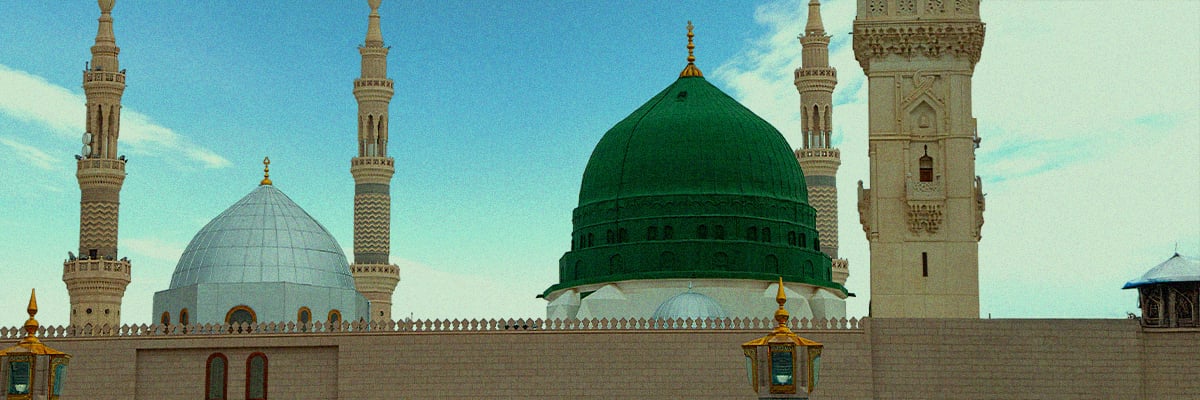
After every Friday prayer, Muslims around the world hear echoes of his words, his teachings, his compassion. As the adhan rings out and as imams deliver sermons in his footsteps, his legacy lives on—a legacy not of distant preaching but of a love so deep it reached everyone, from the youngest child to the elders.
The next time you hear a call to prayer or the echo of a sermon, remember that these aren’t just words. They are invitations to a journey of faith, goodness, and a life grounded in the love and guidance of the Prophet Muhammad ﷺ. His words continue to reach across time, drawing hearts closer to the path he illuminated—a path of justice, compassion, and unwavering devotion.