
Prayer with the Prophet ﷺ
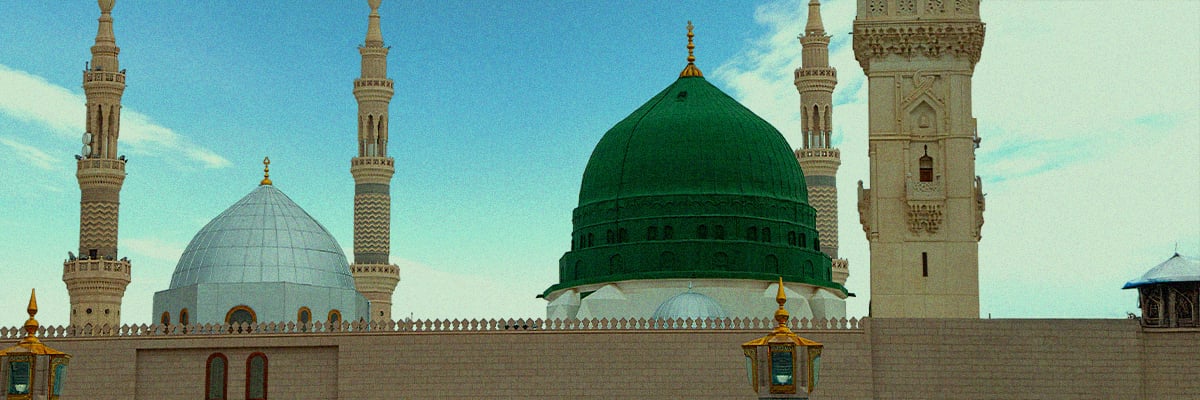
Picture the Prophet Muhammad ﷺ leading prayer in Masjid al-Nabawi. Behind him stand Abu Bakr, Umar, and other devoted companions. Can there be any act of worship on earth more blessed than offering prayer in his congregation?
He recites with deliberation, moves with grace. No haste, no frenzy, no clamor. Every word flows with purpose. Every posture reflects humility. Even the cry of a child softens his heart; compassion compels him to adjust the length of his recitation. He is mindful of the elderly, the weak, and the ill standing behind him. Though capable of prolonged prayer, he often shortens it, ensuring no one struggles.
This is the mercy of the Prophet ﷺ. This is his deep social awareness, his love for others. Even in acts of worship meant for Allah alone, he is considerate of human frailty. How profound is this compassion?
In the communal command for prayer, women were granted flexibility. They were not obliged to frequent the mosque for every prayer. Instead, they were entrusted with a unique role—to nurture the next generation of leaders within the privacy of their homes. This accommodation also defied societal structures that commodified female beauty, rebuffing systems of exploitation.
Yet Umm Humayd, a prominent female companion, had a heartfelt desire: she longed to pray behind the Prophet ﷺ. Approaching him, she expressed her wish. His response was filled with wisdom and empathy:
"Do you not pray for reward? For you, the most rewarding prayer is in the privacy of your home."
Understanding this, Umm Humayd transformed her most private room into her sacred sanctuary. Until her final breath, she prayed there, embracing the wisdom of the Prophet ﷺ.
Return now to Masjid al-Nabawi. See the companions synchronizing their movements with the Prophet ﷺ. Every action is a mirror of his—their unity a vivid display of reverence and emulation. It is the pinnacle of devotion.
Though mindful of those behind him, on rare occasions, the Prophet ﷺ extended his prayers. Hudaifah, one of his companions, once described such a night:
"I prayed with the Prophet ﷺ one evening. He began reciting Surah al-Baqarah. I thought he would stop after one hundred verses, but he continued. I thought he would pause after completing the chapter, but he moved on to Surah al-Nisa’, then to Surah Al-Imran. He recited with deliberation, glorifying Allah at verses of praise, pleading at verses of supplication, and seeking refuge at verses of warning. When he bowed, he stayed as long as his standing, glorifying his Lord. And when he prostrated, he remained as long as his bowing, praising Allah."
Such prayers, prolonged yet purposeful, reflected a profound connection to Allah. During an eclipse prayer, an extraordinary event occurred. The Prophet ﷺ moved forward, as if to grasp something, then retreated. When asked about it afterward, he said:
"Paradise was shown to me. I reached out to take a cluster of its grapes, but I was stopped. Had I taken it, you would have eaten from it until the end of time. Then Hellfire was shown to me, and I have never seen a more terrifying sight."
What kind of person sees both Paradise and Hellfire while in prayer? The Prophet ﷺ, unparalleled in his devotion, embodied this extraordinary vision.
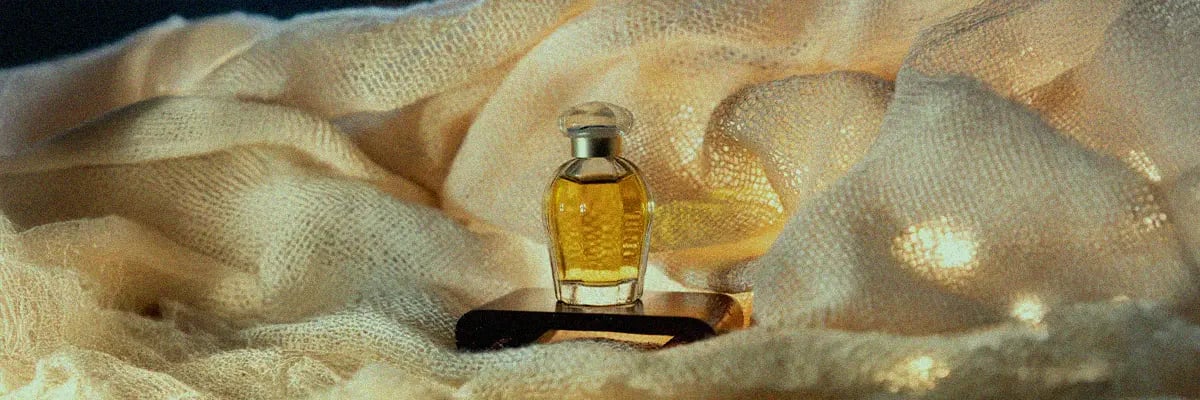
The Prophet ﷺ cherished the fragrance of perfume, loved his family deeply, yet his greatest joy lay in prayer. He himself said, "The coolness of my eyes is in prayer." It was in this intimate connection with Allah that he found solace and strength.
What language can truly capture the humility and gratitude of a servant celebrating his bond with his Creator? The Prophet ﷺ, despite his lofty station, exemplified the height of devotion through acts of love and gratitude.
What Is Prayer?
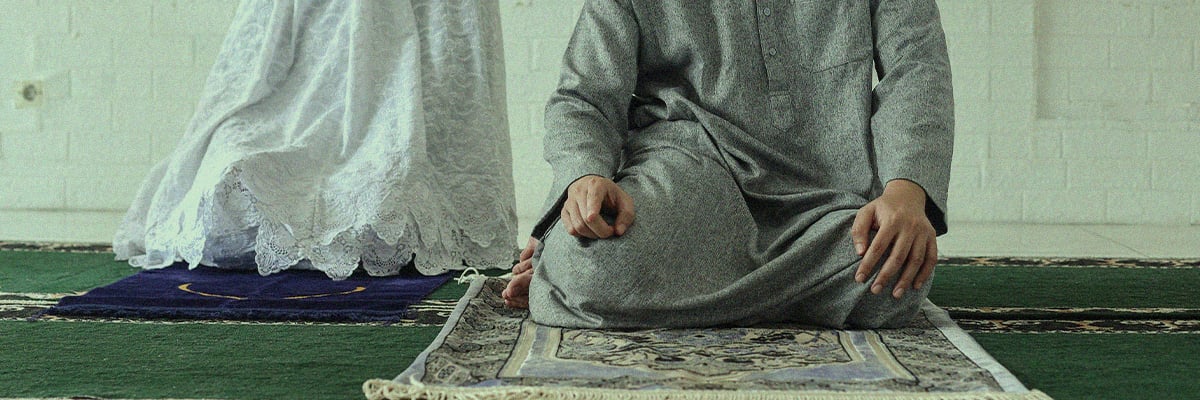
Prayer is not a mere ritual of mechanical movements. It is the merging of the soul with its Creator. With every Allahu Akbar (Allah is the Greatest), the worshiper declares the insignificance of the material world, aligning with the grandeur of the Divine. Tamil writer Abdulla Adiyar likened the act of raising one’s hands in prayer to a bird lifting its wings to soar skyward. It is an act of surrender, of elevation, of transcendence.
Prayer, when performed as the Prophet ﷺ prayed, is a gateway to witnessing the unseen. His heart, open to Allah, could hear what others could not, see what others failed to perceive. It was in this state that he glimpsed Paradise and Hellfire, that his tears flowed in reverence, that his soul dissolved in love for his Lord.
Why Did He Pray So Intensely?
The Prophet ﷺ would often stand for hours in prayer, his feet swelling from the prolonged devotion. When Aisha, amazed at his effort, asked, "Why do you do this, O Messenger of Allah, when your past and future sins have already been forgiven?" he replied with words that continue to inspire:
"Should I not be a grateful servant?"
For the Prophet ﷺ, prayer was not a mere duty but an act of love, a profound expression of gratitude. It was through prayer that he celebrated his bond with Allah, glorified His majesty, and demonstrated humility despite his exalted status.
Let us strive, dear reader, to pray as the Prophet ﷺ prayed. Let us kneel, bow, and prostrate, pouring our hearts into our devotion. For in that act lies the ultimate union with the Divine—the coolness of the eyes, the peace of the soul, and the eternal connection with our Creator.