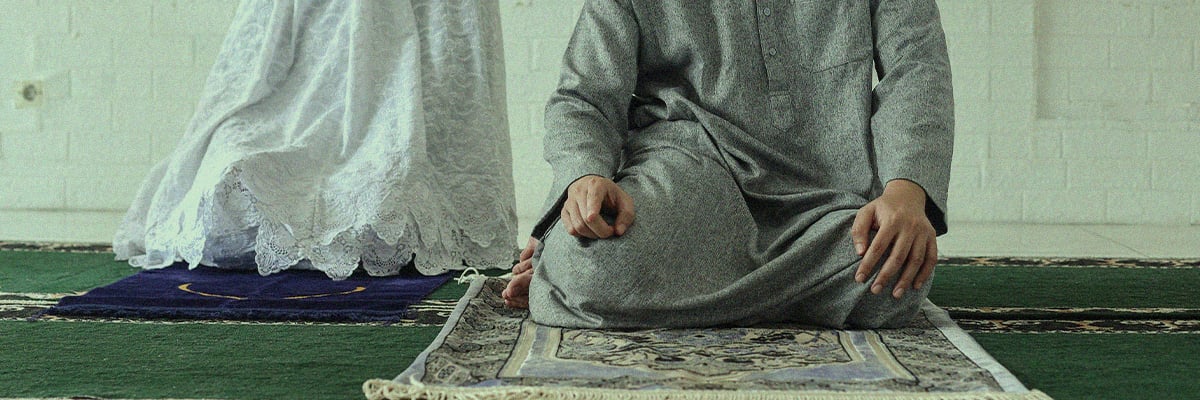

We have discussed the prayer of the Prophet ﷺ, an unparalleled example of devotion and humility. Among the most profound and spiritually uplifting moments in prayer is sujood (prostration). The Prophet ﷺ taught that during sujood, the servant is at their closest to their Lord, a position of ultimate submission and connection.
However, sujood is not limited to the obligatory prayers. It finds expression in various other forms, prescribed both in the Quran and in the Prophet’s practice.
Sujood at-Tilawah: Prostration of Recitation
In the Quran, certain verses call for sujood as an act of submission and reverence, whether during prayer or outside of it. This is known as Sujood at-Tilawah (prostration of recitation). These moments emphasize the listener’s humility before Allah’s divine words and are a physical response to the awe inspired by the Quran’s message.
Sujood ash-Shukr: Prostration of Gratitude
Another form of prostration is Sujood ash-Shukr (prostration of gratitude). This is performed as an expression of thanks for a blessing received or relief from hardship. The companions frequently observed the Prophet ﷺ offering Sujood ash-Shukr during such moments. It was his way of turning immediately to Allah, acknowledging His mercy and generosity.
The Story of Mu’adh bin Jabal
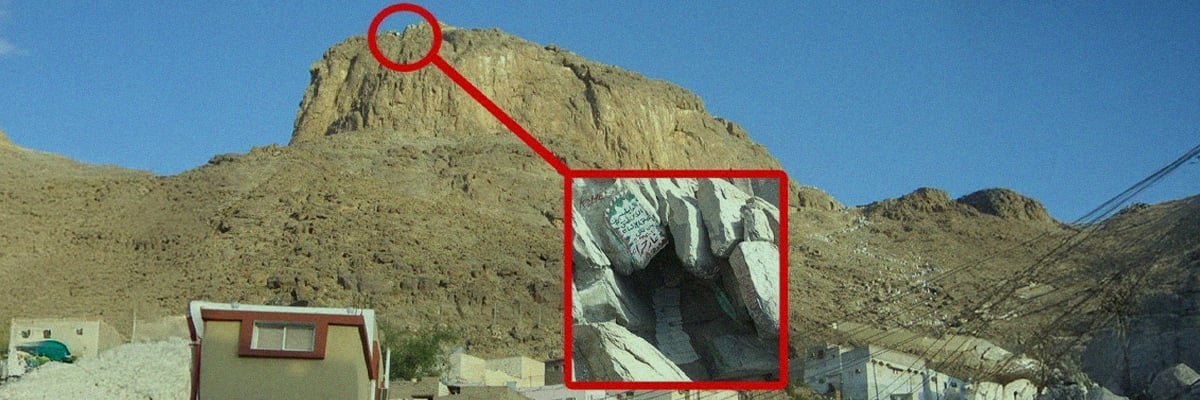
Once, Mu’adh bin Jabal (RA) went searching for the Prophet ﷺ but could not find him in the mosque or the chambers of his wives. Concerned, he continued his search and was directed to the heights of Mount Thubayb. At its summit, Mu’adh saw a cave leading toward Masjid al-Nabawi. Inside, he discovered the Prophet ﷺ in an extended sujood.
The Prophet’s prostration was so lengthy that Mu’adh feared he had passed away. Overcome with anxiety, Mu’adh waited until the Prophet ﷺ rose from his prostration and then asked what had transpired. The Prophet ﷺ explained:
"Here, Jibreel (Gabriel) came to me with a message from Allah. He conveyed Allah’s greetings of peace and asked what I desired for my Ummah. I replied, ‘Allah knows best.’ Jibreel then returned with Allah’s assurance: ‘We will not burden you concerning your Ummah.’ And so, I offered this prostration in gratitude."
This moment is a moving reminder of the Prophet’s ﷺ deep love for his Ummah and his constant gratitude to Allah for His mercy and assurances.
The Prophet’s Gratitude in Action
On another occasion, the Prophet ﷺ fell into sujood upon learning that whoever invokes blessings upon him will receive tenfold blessings from Allah. This act of gratitude illustrated how the Prophet ﷺ would humble himself before his Creator whenever he was informed of a divine favor. For the Prophet ﷺ, blessings were not just to be enjoyed but to be met with reverent acknowledgment and humility.
Prayer Beyond the Ritual
Prayer, as exemplified by the Prophet ﷺ, extends far beyond the physical acts of bowing and prostration. Supplications (du‘as) often followed the five obligatory prayers, creating moments of intimate conversation with Allah. These times were considered among the most likely for supplications to be answered.
The Prophet ﷺ also emphasized the special merit of the late-night prayer. In the stillness of the night, hearts are freed from worldly distractions, and the doors of mercy are wide open.
The Prophet’s supplications were comprehensive and heartfelt. He prayed not only for himself but for the well-being of his community, the cities of Madinah, Sham, and Yemen, and for essential provisions like food and sustenance. His prayers also embraced the vulnerable—the poor, the oppressed, and the needy. The Prophet’s du‘as were filled with tears, sincerity, and a profound connection to the Divine.
Supplications Taught by the Prophet ﷺ
The Prophet ﷺ taught a rich variety of supplications for different times and occasions. These include morning and evening du‘as, which were later compiled by scholars into accessible collections. Among the most notable are Al-Wird al-Latif and Ratib al-Haddad, compiled by Imam Abdullah ibn Al-Haddad.
One of the most significant supplications is Sayyid al-Istighfar (the Master of Seeking Forgiveness). The Prophet ﷺ said:
"Whoever recites this supplication in the morning and dies before evening will enter Paradise, and whoever recites it in the evening and dies before morning will enter Paradise."
The supplication reads:
“O Allah, You are my Lord. There is no deity but You. You created me, and I am Your servant. I remain faithful to Your covenant and Your promise as best as I can. I seek refuge in You from the evil I have done. I acknowledge Your blessings upon me, and I confess my sins. So forgive me, for no one forgives sins except You.”
This prayer encapsulates the essence of humility, gratitude, and seeking forgiveness—a complete expression of servitude to Allah.
Etiquettes of Supplication
The Prophet ﷺ taught that du‘a should be offered with specific etiquettes to ensure its sincerity and acceptance:
- Begin with Praise and Salawat: Supplications should begin by glorifying Allah (hamd) and sending blessings upon the Prophet ﷺ (salawat).
- Be in a State of Purity: Before making du‘a, it is recommended to perform ablution (wudu).
- Face the Qibla: Turning toward the Ka‘bah during supplication demonstrates focus and reverence.
- Raise the Hands: The Prophet ﷺ raised his hands in du‘a, a gesture of humility and earnestness.
- Persist Without Haste: The Prophet ﷺ warned against impatience in du‘a, saying, "A servant’s supplication is answered as long as they do not become impatient and say, ‘I prayed, but I have not been answered.’”
- Pray in Times of Ease and Hardship: The Prophet ﷺ advised consistency in supplication, reminding his followers that those who remember Allah in times of ease will be remembered in times of difficulty.
The Comprehensive Prayers
The Prophet ﷺ’s prayers transcended personal needs. They were comprehensive, embracing the worldly and the hereafter, individuals and communities, and matters of both physical and spiritual significance. His prayers had depth, sincerity, and a sweetness born of absolute trust in Allah.
Let us learn from these models and incorporate them into our lives, striving to emulate the sincerity, humility, and expansiveness of the Prophet ﷺ’s supplications. For in these acts, we find the true essence of prayer—a bridge between the servant and the Creator, a moment of connection with the Divine.