
A company recently laid off 65% of its workforce overnight. Just like that, hundreds of employees who had been receiving steady salaries found themselves jobless. The reason? Artificial intelligence had made their work redundant. The remaining 35% weren’t exactly spared either—their salaries were slashed by the same percentage. The message was clear: you are not indispensable. If technology could replace their labor, the company saw no reason to keep them on payroll.
Now, think about that for a moment. Why had the company paid those employees all these years? Because they provided a service. In return for their time and effort, they were compensated. It was a simple exchange, a fair transaction. No one worked for free, and no company paid salaries out of kindness.
This seems obvious when it comes to employment. But what happens when we extend the same logic to worship? What does God gain from human devotion? If every single person stopped praying, what loss would He suffer? If no one fasted, gave charity, or traveled on sacred pilgrimages, would He be affected in any way? If worship is not a transaction—if there is no service rendered and no exchange taking place—then why do it at all?
A parent spends a fortune on their child’s food, clothing, and education. But before all that, the child must first exist. Take this real-life scenario of a couple trying everything—doctors, specialists, endless medical treatments—only to be told they can never have a child. Would it make any sense for them to start worrying about school fees and college tuition? What use are all those preparations without the child?
Now, consider your own existence. Did you bring yourself into being? Did you choose your body, your family, your place of birth and your time in history? Did you request to be born? You had no say in it. In fact, you didn’t even know you existed until you developed the consciousness to realize it. And yet, here you are—thinking, reasoning, questioning. But none of it was your doing.
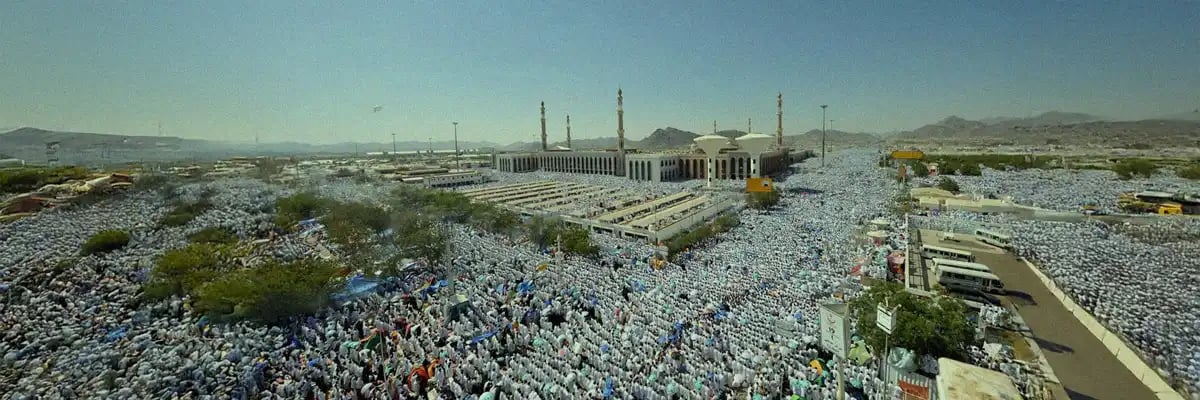
From the moment of birth to every breath that follows, humans depend on forces beyond their control. But the divine, by definition, is not. Thus, when people fast for an entire month, stand in prayer five times a day, travel across the world to circumambulate a sacred house, or throw stones at a symbolic devil, who benefits?
The answer is simple: they do.
Worship was never about what God gains. It was always about what we become.
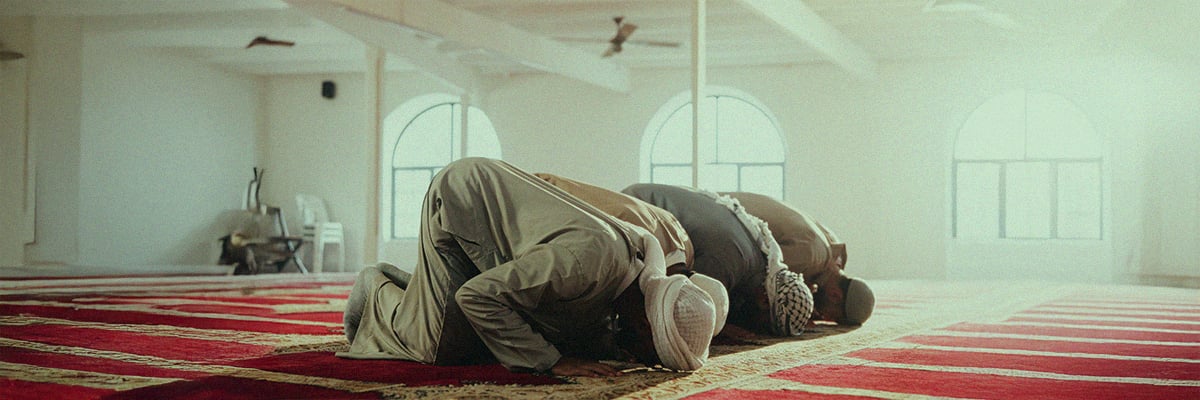
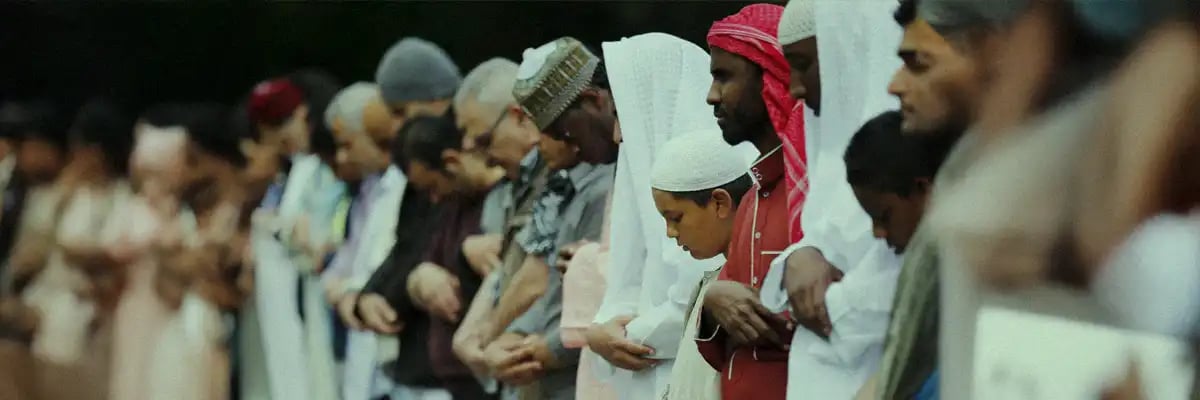
A person who wakes before dawn to cleanse themselves and stand in stillness, who empties their stomach to discipline their hunger, who gives away wealth without seeking return, who treads the earth with humility—such a person is not just fulfilling a ritual. They are reshaping themselves. Externally, worship instills discipline, structure, and mindfulness. Internally, it shifts the heart, teaching surrender where arrogance once stood.
But something happens when people demand a rationale for every ritual. Why must prayer have specific movements? Why fast from dawn to sunset instead of noon to midnight? Why give exactly 2.5% of one’s wealth instead of choosing an amount? Why travel to a distant city for pilgrimage instead of donating the same money to a noble cause?
This line of questioning assumes that worship is negotiable, that it should make logical sense on human terms. But worship was never meant to fit neatly into the realm of human reasoning. It was always about obedience.
There’s a story told many times over, a story about arrogance disguised as reason. When God created the first human, He commanded the angels to bow before him. And they did—except for one. Satan refused. Not because he doubted God, but because he applied his own reasoning. He was made from fire, Adam from clay. By his logic, he was superior. His reasoning was airtight, his argument solid. But the flaw wasn’t in his logic; it was in his defiance.
That story repeats itself in different ways, generation after generation. The human mind, brilliant and restless, seeks to dissect, understand, and question. That is its nature. But at some point, it meets a limit. There are questions that cannot be answered in full, realities that cannot be grasped through mere intellect. To demand an explanation for every divine decree is to miss the point entirely. The moment one starts down that path, the questions multiply endlessly, until there is nothing left but doubt and delay.
Prayer, fasting, charity, pilgrimage—each follows a structure that is not up for negotiation. Some prayers are long, some are short. Some rituals are performed in twos, some in threes or fours. Some acts of devotion must be done at precise times, others within certain conditions. But they are what they are.
A traveler may shorten a four-unit prayer to two, but not a three-unit prayer to one and a half. One may combine certain prayers, but not others. One may delay breaking their fast for a few minutes but extending it into the next prayer time is impermissible. A wealthy person may donate vast sums to the poor, but no amount of charity can replace the obligation of pilgrimage. A person might feel they are going beyond the requirements, that they are doing more—but sometimes, more is meaningless if it is not what was asked.
It is easy to assume that worship must be about reason, that every act must serve a purpose we can grasp. But reason did not bring us into existence. We did not design ourselves, nor did we set the laws of the universe in motion. And so, the assumption that everything must conform to human logic is itself flawed.
To worship is to surrender to something beyond the self. It is not about what we think is best. It is about trust. It is about obedience.Because in the end, obedience is the foundation of worship.