
Throughout history, societies have always been stratified into different social classes. These divisions have emerged based on a person’s social status, economic standing, authority, and family prestige. Often, such stratifications lead to a rigid hierarchical order, where people are categorized into layers, reinforcing structures of privilege and exclusion.
It is said that the nets of law are designed to catch the small fish, while the mighty sharks tear through them and leap away. This is not just a cynical proverb—it is a lived reality in the contemporary world. We witness it daily: obligations that ought to be universal are conveniently sidestepped by those with power, either through influence or money. The question that then arises is—do such economic and status-based disparities exist within Islamic acts of worship?
To grasp the scope of this inquiry, let us observe certain social situations. Consider this scenario: we are organizing a gathering and inviting people from different social backgrounds.
To the poor, we say: “Be there on time, and don’t leave until you’ve cleaned up the chairs.” To the wealthy and the busy, we say: “Just drop by for a little while and then slip out.” To some, we suggest: “A quick appearance is enough.” To others: “Stay until the inaugural session ends, then you may leave.” And to a select few, we whisper: “You don’t have to sit with the crowd at all—just arrive in time for lunch, have your meal, and be on your way.”
But can such class-based distinctions exist in the rituals of Islamic worship?
When Prophet Muhammad ﷺ began his mission, his followers included both the destitute and the extremely wealthy. Was there ever a dual standard in religious obligations—one rule for the poor and another for the affluent?
The poor, after all, are already accustomed to hunger. So, should we say, “Let them fast from dawn till dusk; it’s not a hardship for them”? Hunger is part of their daily existence, so what’s one more day of fasting?
But what about the rich? How do we tell millionaires, used to feasting on the finest cuisines, to abstain from food and drink for an entire day? How do we convince the ultra-wealthy, who have never skipped a meal, to endure hunger voluntarily?
Perhaps a tiered system would make it easier. Let the poorest fast from dawn to sunset, no exceptions. Those with moderate means can fast until 4 PM. The rich—maybe until noon? The ultra-wealthy? Let’s say, until 10 AM. Billionaires? A symbolic fast of a couple of hours should suffice. As for kings, presidents, prime ministers, military generals, and supreme court judges—perhaps just acknowledging the existence of fasting with a solemn nod would be enough.
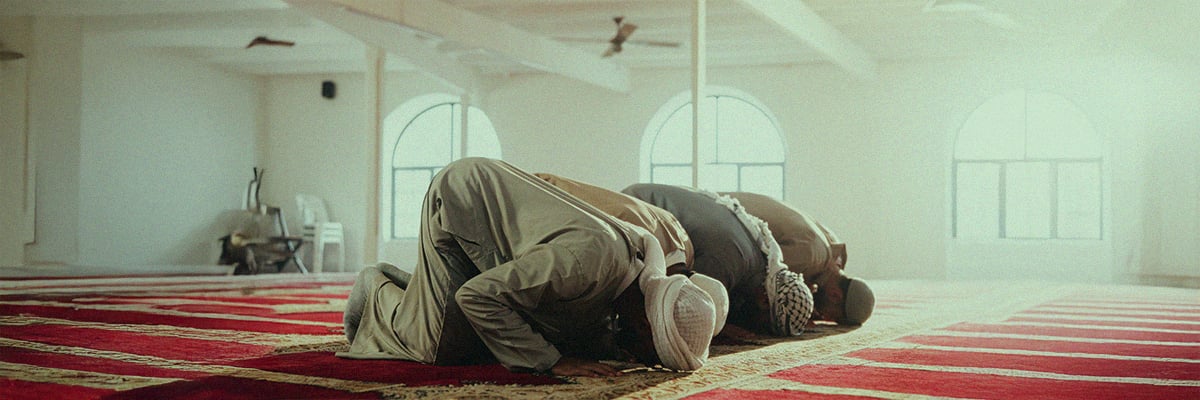
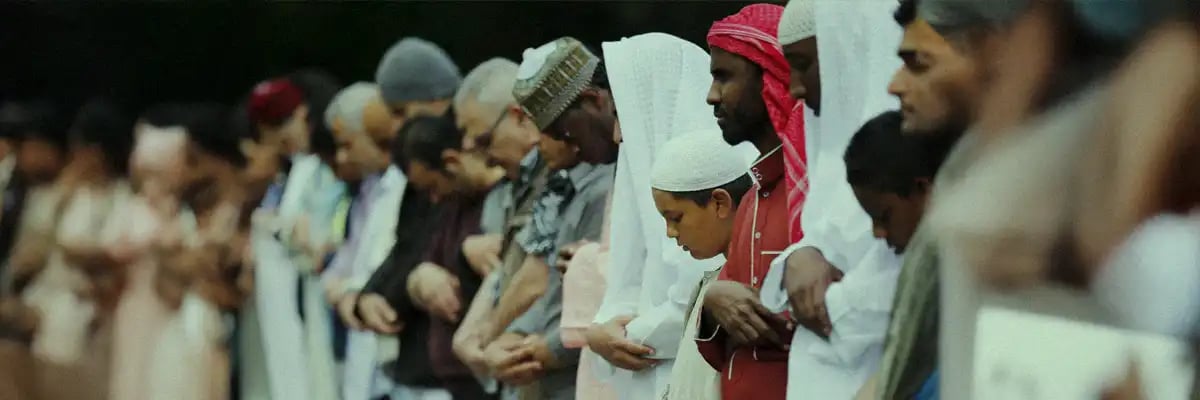
And what about prayer? How do we instruct dignitaries, clad in their finest attire, to stand humbly, bow, and prostrate before their Creator? They are used to receiving salutes, not bowing. Their lives are spent standing tall, chests puffed out. So perhaps we need a flexible approach to prayer too.
Let the poor prostrate fully, touching their foreheads, hands, and knees to the ground. The moderately wealthy? A slight inclination of the head should be enough. The very rich? A mere nod. The ultra-elite? A subtle motion of the fingers—perhaps akin to a royal wave—should suffice. After all, how can we expect the world’s most powerful individuals to press their faces against the same ground as commoners, five times a day? What if they find it undignified?
And then there’s Zakat. Wealthy people are often generous with small donations, but the idea of an enforced redistribution of their earnings is unsettling to them. How, then, do we enforce the rule that requires them to give away 2.5% of their wealth annually? For an average middle-class person, 2.5% is manageable. But for a billionaire, this percentage translates to millions. Who dares to demand such sums? Should we lower it to 2% for them? Perhaps 1.5%? Or should we couch it in softer language: “Technically, the rule is 2.5%, but we trust your wisdom—give what feels right to you.”
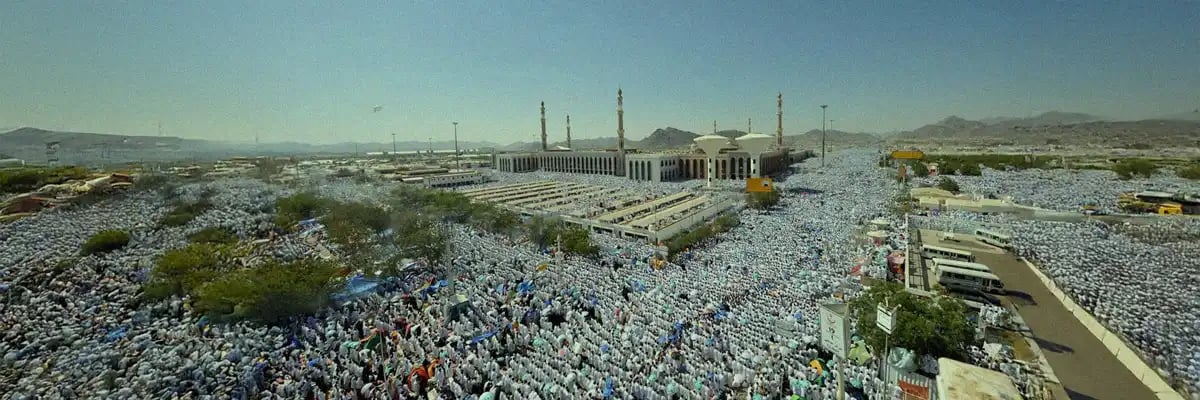
And then comes Hajj—the ultimate equalizer. How do we tell rulers and billionaires, accustomed to luxury, to abandon their tailored suits, their entourages, their protocol, and merge into a sea of pilgrims wearing nothing but two simple white cloths? How do we tell them to walk barefoot, to sleep in a tent, to share space with the masses, to pelt stones at pillars in a symbolic act of humility? What if they refuse? What if they see it as beneath their dignity? What if they collectively decide that such rituals do not respect their status and walk away from Islam? Should we then consider adjustments—different pilgrimage rules for different people, based on wealth and rank?
But then, go to any mosque and ask: “Is there one rule for the rich and another for the poor?” The very idea is absurd. Islam is a faith of justice. It does not exist to oppress the poor or flatter the wealthy.
No matter who you are, Islam demands that you place your forehead on the ground in submission. Whether you are a king of Saudi Arabia, the ruler of Kuwait, or the Sultan of Brunei—when you bow in prayer, the one prostrating beside you could be your own servant, your driver, or the janitor who cleans your palace.
Let’s recall an incident from not so long ago. When Dr. A.P.J. Abdul Kalam, the former President of India, went to a mosque for prayer, his driver happened to be standing in the row ahead of him. As they prostrated, the President’s forehead touched the ground just behind the feet of his driver. That is Islam. One law for all.
If anything, Islam’s laws are harder on the rich, not the poor. It is not a faith that leaves the needy to struggle alone. It holds the wealthy accountable—not just for Zakat, but for the very survival of their neighbors.
This responsibility does not extend merely to the homes adjacent to theirs. In Islam, a person is considered responsible for the well-being of their neighbors within a radius of forty houses in every direction—front, back, left, and right.
Imagine another scenario: You, a wealthy individual, are enjoying a feast at home—platters of meat, steaming rice, soups, and fresh juice laid out before you. Yet, just a few streets away, a mother stands before an empty pot, unable to even find a dried fish head to boil for her children. Islam does not let you look away. It places the moral and social burden of that woman’s suffering upon your shoulders.
This is not some utopian ideal. It is a lived reality in the history of Islam. There were companions of the Prophet ﷺ who wept in fear that their wealth might become a test rather than a blessing.
Perhaps, in the next article, we can explore their stories.