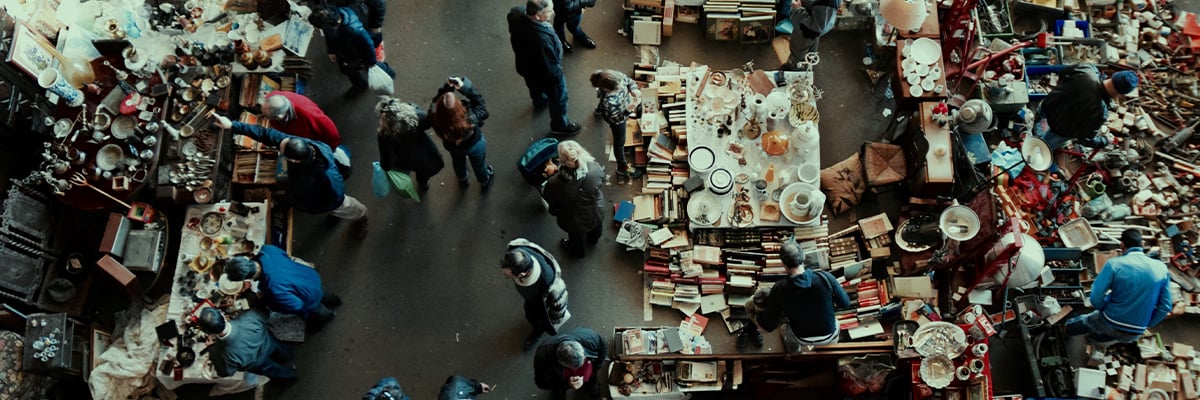

In Islamic thought, wealth is not merely an asset or a tool of power—it is first and foremost a gift from Allah, a divine trust that must be employed in service of worship and justice. The accumulation and circulation of wealth, in this vision, are not to be ends in themselves, but means to uphold a righteous and dignified human life. Every transaction, every trade, and every act of commerce is a test of moral character and spiritual consciousness. In this sacred economy, the faithful must not allow the pursuit of profit to erode their obligations of prayer, honesty, and ethical conduct.
Islam does not shy away from commerce. In fact, it encourages lawful earning through trade, industry, and enterprise. However, the conditions are clear: economic activity must be halal—permissible in form and ethical in nature. The Prophet Muhammad ﷺ forewarned that a time would come when people would stop asking whether their earnings were halal or haram. This prophetic warning, recorded by Imam Bukhari, is strikingly relevant today. It reminds us that modern commerce must not be stripped of moral clarity.
Commerce Rooted in Trust and Transparency
An Islamic marketplace thrives not only on goods and services but on integrity. The Qur’an in Surah al-Nisa (4:29) urges believers not to consume one another’s wealth unjustly but to engage in trade by mutual consent. Islam emphasizes that any transaction must be entered into with transparency and satisfaction from both buyer and seller. If either party feels deceived or misled, the spiritual legitimacy of the trade is in jeopardy.
The Prophet ﷺ once advised a companion who felt he was frequently cheated in transactions to say, at the end of every deal, “No deception or cheating shall occur in this transaction.” This was not merely about legal protection; it was a statement of ethical expectation. Commerce must never become a means of manipulation or falsehood.
The Prophet ﷺ further declared, “The truthful and trustworthy trader will be with the Prophets, the truthful, and the martyrs” (Tirmidhi, Hakim). This is no minor claim. It elevates the moral commitment of a merchant to the same level as a saint or martyr—provided that honesty governs his business.
Honesty in Description and Pricing
An honest trader must disclose any defects in a product. If a good is damaged or substandard, the buyer has a right to know. There are narrations in which the Prophet ﷺ himself modeled this ethic. When engaging in trade, he openly declared if an animal was diseased or weak, ensuring the buyer knew exactly what they were purchasing (Bukhari). Concealing such information for profit is unequivocally condemned.
Deceptive practices like fake bidding—where someone pretends to be interested in buying a product just to artificially raise its price—were also prohibited by the Prophet ﷺ. These tactics not only cheat the buyer but corrode the ethical fabric of the marketplace.
Even in how traders weigh or measure their goods, Islam is uncompromising. Underhanded reduction in weight or measure, whether in daily groceries or bulk construction materials, is viewed as a grave moral failure. Commerce must be marked by precision and truth.
Generosity and Ethical Sensitivity
Islam encourages generosity in trade. It appreciates those who offer discounts, grant time for repayment, or show kindness when dealing with financially strained customers. These gestures not only reflect spiritual sensitivity but build enduring trust between the merchant and the public. A merchant who practices such generosity is likely to find his business grow, not despite his ethics, but because of them.
Islam also prohibits transactions that directly harm public health or social welfare. The sale of narcotics, alcohol, or weapons that fuel violence falls outside the bounds of permissible trade. If a business knowingly contributes to collective harm, it is not just economically questionable—it is morally condemned.
Further, the intent of the consumer matters too. For instance, if a seller knows that his grapes will be used to make wine, a prohibited product, selling them for that purpose is haram. If the possibility exists but is not certain, the sale is makruh (discouraged). This moral nuance reveals the depth of Islamic economic thought—it concerns not just the act of selling, but also the ethical implications of consumption.
Record-Keeping and Regulatory Responsibility
Islam encourages formalizing trade through written contracts, invoices, and quality certifications. The Qur’an explicitly recommends writing down debts and contractual terms in Surah al-Baqarah (2:282). This is not mere bureaucratic formality—it is a moral safeguard to protect both parties and uphold justice.
Moreover, each believer is called to act as a moral observer in society. If a trader is dealing in banned or dangerous items, or using deceitful practices, others are urged to bring this to the attention of appropriate authorities. In this way, economic integrity becomes a shared social obligation.
Between Consumerism and Contentment
In a world dominated by hypermarkets and glittering consumer goods, Islam offers a sobering reminder: seek joy, not excess. Islam does not forbid cosmetics, art supplies, or leisure goods, but it insists that they do not become idols. Ethical consumption involves asking whether a product adds value to life, or merely feeds a culture of waste and vanity. Happiness is encouraged; heedless indulgence is not.
Conclusion: A Marketplace of Conscience
The Islamic economic system is not a dry set of rules—it is a living, breathing vision of a marketplace where every sale and purchase is weighed on the scales of both value and virtue. It recognizes the legitimacy of profit, but insists on purity in its pursuit. It values productivity, but not at the cost of piety. It fosters competition, but only when tempered by compassion.
In such a system, the trader is not merely a seller of goods—but a custodian of trust, a builder of social harmony, and a witness to God in the marketplace.