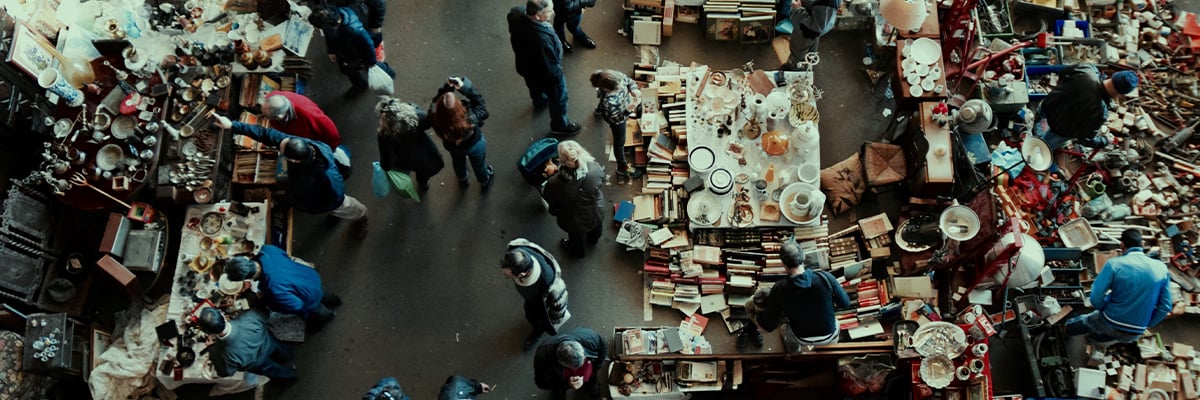

In Islam, wealth is not merely defined by paper currency or coins; rather, it is any item of value—anything for which a price can be set or a market can emerge. This includes gold, silver, coins, currency, land, agricultural produce, livestock, minerals excavated from the earth, precious stones, and marine resources, both organic and inorganic. Furthermore, products made from combinations of these materials—so long as they meet human needs—are also considered wealth.
Classifying Human Needs: Essential, Required, Complementary, Unnecessary, and Harmful.
Human needs are not all alike. Some are fundamental to survival, others help navigate challenges and preserve dignity, while some drift toward extravagance and even destruction. Thus, Islamic thought divides needs into five broad categories:
- Essential (Ḍarūriyyāt): These are indispensable for human survival and dignity. Food and water are primary among them. Clothing too, ranging from primitive leaf coverings to modern space suits, is essential for protection from the elements. Shelter—constructed using natural elements like soil, stone, and wood, or industrial materials—is vital for protection, rest, and privacy.
- Required (Ḥājiyyāt): These support a comfortable life and remove hardship, though life would continue without them. For example, a horse was once necessary for travel; today, cars, ships, planes, and even rockets serve this function.
- Complementary (Taḥsīniyyāt): These enhance quality of life and include culinary luxuries, spices, decorative furnishings, or aesthetic touches to buildings and clothing. Though not strictly necessary, they enrich human experience.
- Unnecessary (Ghanīyyat): When adornment turns to extravagance and becomes a goal in itself, it risks moving into this category. It is at this point that indulgence blinds one to gratitude and contentment.
- Harmful (Ḍarar): Wealth used in ways that harm oneself or others—such as hoarding gold and silver purely for pride, or using weapons of destruction—becomes ethically problematic. What is beneficial in one context may be harmful in another. A dog raised for security may be a valued asset—but if it turns rabid, it becomes dangerous and must be put down. Similarly, poultry infected with avian flu may be slaughtered en masse, even if they were once sources of food.
Contextual Ethics of Use
Islam emphasizes that ethical assessment of wealth and its usage must consider context. For instance, in a peaceful society, weapons of mass destruction are unnecessary and dangerous. But in a state of existential threat, they might be considered necessary for defense. Ethics, in this sense, is not fixed but guided by principles that adapt to the moral reality of the moment.
Qur’anic Views on Human Attachment to Wealth
The Qur’an acknowledges that human beings have an instinctive love for wealth and possessions—be it gold, silver, fine horses, livestock, or fertile land. These things are not condemned in and of themselves. What matters is the intention behind acquiring them, the means used, and their end usage. Wealth can elevate a person or bring about their downfall, depending on how it is handled.
Justice in the Circulation of Wealth
A core Islamic principle is that the flow of wealth should promote social welfare and reduce inequality—not concentrate in the hands of the few. The process of earning should be free from exploitation, deceit, or harm. Fair trade, transparency, and ethical enterprise are essential. Wealth should not be amassed through coercive pricing, predatory lending, or opaque contracts.
The use of wealth, too, must reflect compassion and justice. It should elevate human dignity, support the weak, and enrich the moral fabric of society. Islam mandates not just charity but structured systems of redistribution.
Instruments of Redistribution: Zakāh and Inheritance
- Zakāh (Obligatory Charity): Ranging from 2.5% to 20% of one’s wealth depending on the asset type, zakāh ensures that the wealthy share with the poor. It is a divine right of the needy, not a favor.
- Wasiyyah (Bequest): A Muslim can gift up to one-third of their estate to non-heirs or causes they choose, beyond the obligatory shares.
- Mīrāth (Inheritance): The division of inheritance is clearly outlined in the Qur’an, ensuring fairness based on familial closeness and the presence or absence of other heirs. Shares range from 12.5% to 100% accordingly.
Prohibited Financial Practices
Islam strictly prohibits certain practices in wealth accumulation and exchange:
- Ribā (Usury/Interest): Outlawed due to its exploitative nature, where money begets money without any productive effort.
- Gharar (Uncertainty) and Maysir (Gambling): Speculative or deceptive transactions—such as lotteries or uncertain trade—are forbidden.
- Deception and Fraud: Any form of dishonesty, hoarding, price manipulation, or unjust enrichment is considered a moral and legal offense.
Ethical Avenues for Wealth Generation
Wealth generation is not discouraged—but it must align with ethical guidelines:
- Trade and Commerce: Honest and transparent business dealings.
- Salam Contracts: Advance payment for goods delivered later, common in agriculture and manufacturing.
- Partnerships (Shirkah and Mudarabah): Profit-sharing enterprises combining capital and labor.
- Rentals (Ijārah): Leasing properties or tools without exploitative terms.
- Interest-free Loans (Qard Hasan): Compassionate lending to help others without personal profit.
Conclusion:
In Islamic thought, wealth is neither rejected nor worshipped—it is a means, a trust (amānah) to be used responsibly. The true test of wealth lies in whether it brings justice, fosters compassion, and maintains the balance between necessity and extravagance. Islam does not romanticize poverty nor glorify wealth but insists that whatever one owns must serve the higher purpose of nurturing life, equity, and collective harmony.