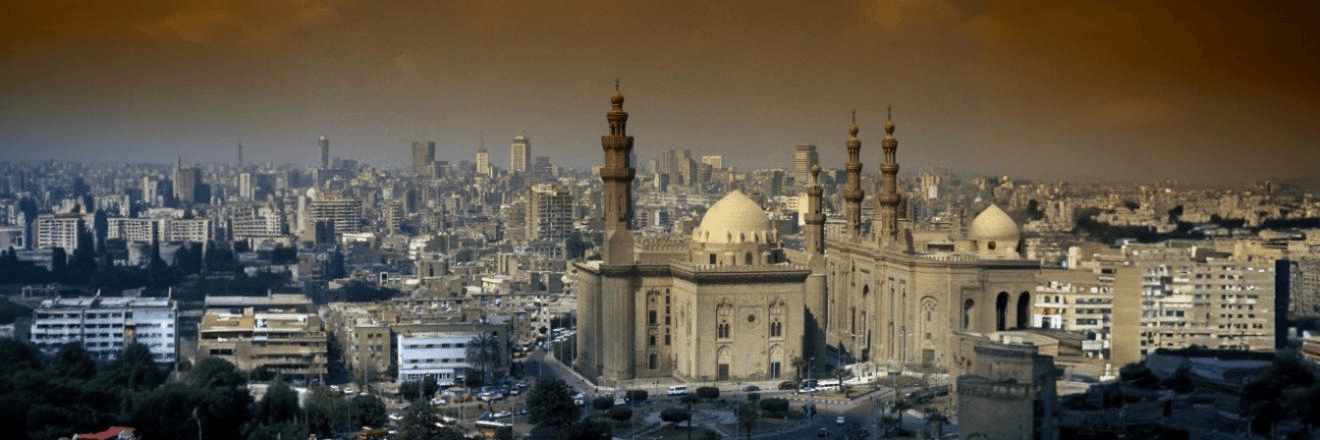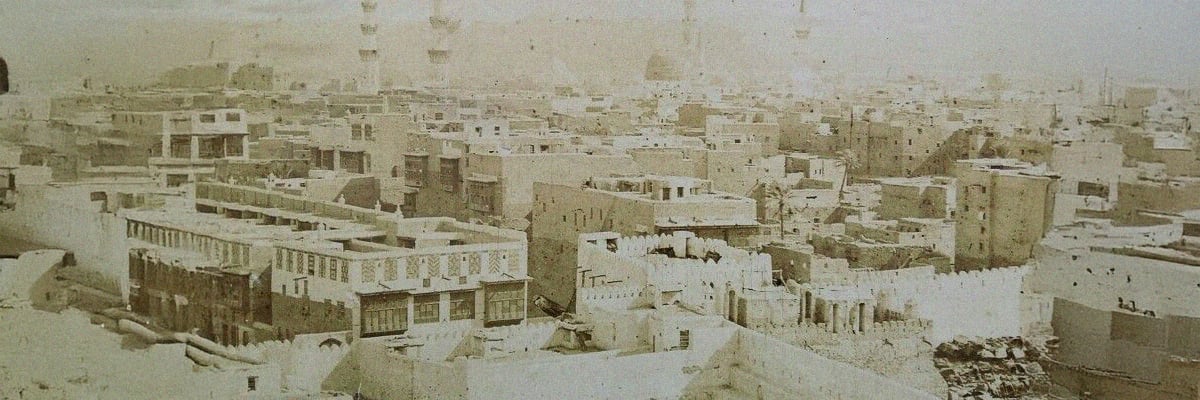

The setting is the Prophet’s Mosque in Madina. A few Christian priests had arrived there to meet the Prophet. They needed a place to perform their worship. Seeing their difficulty, the Prophet ﷺ warmly welcomed them. He ordered that a small part of the Madina Mosque is given for their worship. Without any disturbance from the companions, they performed their rituals inside the very mosque of the Prophet ﷺ and returned satisfied. This was not an isolated event. On another occasion, Christian priests who came from Taif stayed for days in tents pitched near the Madina Mosque. The Prophet ﷺ and his companions ensured they had all the necessary facilities.
Such examples are countless, reflecting how Islamic civilization and political structures attentively safeguarded pluralism. Today, pluralism is often defined as respecting and accommodating different religions and cultures. If we wish to explain it in one word, pluralism means the acceptance of multiple, diverse voices. The one who most profoundly embodied and demonstrated this idea to humanity was Prophet Muhammadﷺ .
Pluralism naturally involves diversity. Islam recognized religious, cultural, and human diversities not as threats, but as essential features of life and as signs of divine grace. The Quran says: Among His signs is the creation of the heavens and the earth and the diversity of your tongues and colors. Indeed, in that are signs for those who know.(Surah al-Rum,30:22)
Here, the Quran;an urges believers to view diversity as a divine sign. In a Hadith, the Prophet ﷺ said ;The diversity among my Ummah is a mercy; (Reported by al-Bayhaqi and al-Darimi) The Arabic term Ummah here can refer to two types: those who accept the Prophet message and those who do not. Thus, the Prophet ﷺ regarded human diversity—of color, language, and origin—as a blessing.
At the same time, Islam affirms that among creations, the human being holds the highest status. However, the permanence and benefit of this status depend on a persons deeds and beliefs. Just as in other religions, Islam teaches that although humans are created noble, sinful deeds corrupt them, and evil beliefs taint the soul. No religion disagrees with this principle.Sin in deeds results in disgrace in this world; sin in belief leads to punishment in the Hereafter.
According to Islam, the ideal individual is someone who holds pure beliefs, performs righteous deeds, maintains mutual cooperation, forgives, and endures patiently.
The Quran says:;By time, indeed, mankind is in loss, except for those who believe and do righteous deeds and encourage each other to truth and patience. (Surah al-Asr, 103:1–3) Furthermore, in Islam, the entire universe has been subjected to humanity’s benefit—this, too, is a divine favor. Expressing gratitude for blessings is a matter of human dignity; even animals instinctively show gratitude. Therefore, every human being must first express gratitude to the Creator, acknowledging His truth and following the laws laid down for human good.
Muslims are those who accept this, while non-Muslims do not. Yet both groups will face reward or punishment not in this world but in the Hereafter. In this world, all must live together cooperatively, which is the pluralism Islam envisions. Not all people will become believers. This world is not solely for believers. The Quran says:It is He who created you, and among you are disbelievers and believers.(Surah al- Taghabun, 64:2)
However, belief diversity should never become a standard for recognizing or denying someones humanity. Nor should a believer ever approve of or be content with disbelief, just as a disbeliever does not approve of faith. True belief is not about accepting others beliefs as correct but maintaining ones conviction respectfully.
Some misunderstand pluralism to mean accepting all religions as equally true, but no known religion in history endorses such an idea. Promoting;everything is true; only deepens division and confusion. True religious or cultural pluralism means that followers of different faiths and cultures live together respectfully, without approving each others doctrines, but respecting each other;s humanity.
Islam teaches that while criticizing beliefs is permitted, it must not descend into insulting or abusing the sacred figures or objects of others. The Quran warns: Do not insult those they invoke besides Allah, lest they insult Allah in enmity without knowledge. (Surah al-Anam, 6:108)
Islam also upholds the sanctity of all houses of worship. The Quran says: If Allah did not repel some people by means of others, monasteries, churches, synagogues, and mosques, wherein the name of Allah is much mentioned, would surely have been destroyed (Surah al-Hajj, 22:40) This verse, revealed regarding the legitimacy of armed struggle, is a remarkable testament to the Quran’s pluralistic spirit. If all religions had taught such respect, religious strife would have greatly diminished.
The Prophet ﷺ always engaged with people beyond divisions of religion and caste. Among the Prophets sayings, one tradition stands out across Islamic history and continues to be taught first to students of Hadith worldwide: The Merciful shows mercy to those who are merciful. Be merciful to those on earth, and the One above the heavens will be merciful to you. (Tirmidhi)
The fact that this Hadith was selected as the first teaching across centuries reflects the spirit of Islam and the Prophet’s ﷺ pluralism.
The Quran; an itself begins with the invocation of Allah’s name and immediately introduces Him through the name Al-Rahman (The Most Merciful). One of the meanings of Al-Rahman is that He bestows His mercy and blessings on both believers and non- believers in this world.
Regarding the Prophet ﷺ, the Quran repeatedly affirms that he was sent as a mercy to all creation:And We have not sent you but as a mercy to the worlds. (Surah al-Anbiya, 21:107)
The Prophet ﷺ taught his followers that mercy and compassion should permeate all aspects of life, including dealings with non-believers. He would rebuke anyone lacking compassion, emphasizing that true believers must embody mercy.
Numerous examples highlight the Prophet’s ﷺ mercy: Even while bleeding from wounds at the Battle of Uhud, he prayed;O Allah, forgive my people, for they know not.; (Bukhari, 6530). On the day of the conquest of Makkah, he announced to his former persecutors,;Go, you are free.; During times of famine in Makkah, he sent food supplies from Madina to help even those who had once persecuted him.
Islam commands that Muslims must benefit and be good to all their neighbors, irrespective of religion. The Quran states;Worship Allah and associate nothing with Him, and be good to parents, relatives, orphans, the needy, the near neighbor and the distant neighbor; (Surah al-Nisa, 4:36)
Ibn Kathir explains that ;near neighbors; refers to Muslim neighbors, and distant neighbors to non-Muslim neighbors. Historical examples confirm this spirit:
Ibn Umar (RA) would repeatedly advise his family to prioritize giving meat to their Jewish neighbor. And Abdullah ibn Amr ibn al-As was known for his kindness toward his non-Muslim neighbors.
Pluralism was institutionalized in Islamic governance. The first constitution in history,
drafted by the Prophet ﷺ in Madina (the Constitution of Madina or Sahifat al-Madina), laid down principles of pluralistic governance, including:
1. Humanity first—no caste barriers.
2. Equal rights and privileges for all citizens.
3. Collective defense against oppression and crime.
4. Equal participation in national defense.
5. Formation of an ideal society based on virtue.
6. Prohibition of aiding invaders.
7. Protection of non-Muslims wishing to live with Muslims.
8. Guarantee of religious freedom and property rights for non-Muslims.
9. Shared financial responsibility for the state.
10. Collective defense against external enemies.
11. Protection and fair punishment for all.
12. Encouragement of mutual compromise for the common good.
13. Freedom of movement inside and outside the state.
Throughout Islamic history, this spirit of pluralism was preserved. For example, Caliph Abu Bakr (RA) respectfully declined to pray inside a Christian church when invited, concerned that it might be misinterpreted by future generations.
Pluralism in Islam encourages dialogue to reduce religious conflict and promote mutual trust. The Quran teaches:Do not argue with the People of the Book except in the best manner—unless it be with those among them who are unjust—and say: We believe in that which has been revealed to us and that which has been revealed to you; our God and your God is One, and to Him we submit. (Surah al-Ankabut, 29:46)Invite to the way of your Lord with wisdom and good instruction, and argue with them in the best manner. (Surah al-Nahl, 16:125)
Say, O People of the Book, come to a common word between us and you: that we shall worship none but Allah. (Surah Al Imran, 3:64)
Thus, the Quran;an prescribes an ethics of dialogue grounded in respect, seeking cooperation wherever possible.
Let us conclude with the Prophet’s ﷺ remarkable words: Reconnect with those who sever ties with you. Give to those who withhold from you.Forgive those who wrong you.(Musnad Ahmad)