
An Impending War Over a Stone
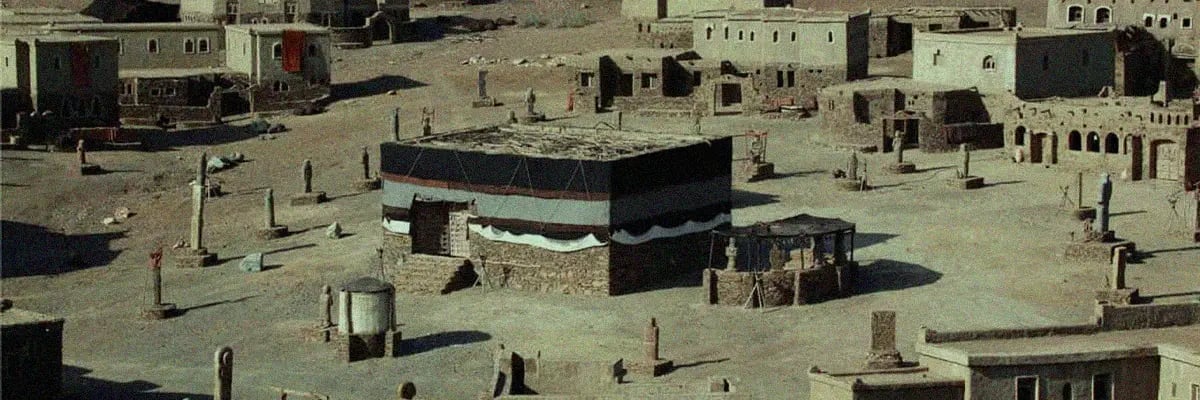
The reconstruction of the Kaaba was nearing completion. Only one task remained: placing the sacred Black Stone, the Hajar al-Aswad, back in its place. But who would have the honor? Every tribe in Makkah claimed the right to this sacred duty. To them, placing the stone meant more than prestige—it symbolized leadership and power. Tensions rose, and the threat of war loomed large.
Sensing the urgency of the situation, Abu Umayyah ibn Mughirah, a respected elder and the father of Umm Salama, intervened. “Let me propose a solution,” he said, commanding the attention of the crowd. “Let us entrust this decision to the first person who enters through the gates of the Haram. Do you agree?”
The tribes nodded in agreement.
Moments later, the figure of Muhammad ﷺ appeared. A collective sigh of relief swept through the crowd. “It’s Muhammad, the Al-Amin!” they exclaimed. Even before his prophethood, Muhammad ﷺ was widely known as Al-Amin—the Trustworthy.
“We are satisfied with Muhammad!” they proclaimed.
The Prophet ﷺ asked for a cloak. Placing the Black Stone at its center, he invited representatives from each tribe to hold the edges and lift it together. When the stone reached its position, he gently placed it with his own blessed hands.
This event, occurring when Muhammad ﷺ was 35 years old—five years before his prophethood—was a testament to his integrity, wisdom, and ability to resolve conflicts.
Al-Amin: A Lifetime of Trust
For 35 years, the people of Makkah had called him Al-Amin. His honesty and truthfulness in childhood, youth, and adulthood were qualities unanimously acknowledged by his people. This reputation would become the foundation of his prophetic mission.
The Call of the Cave
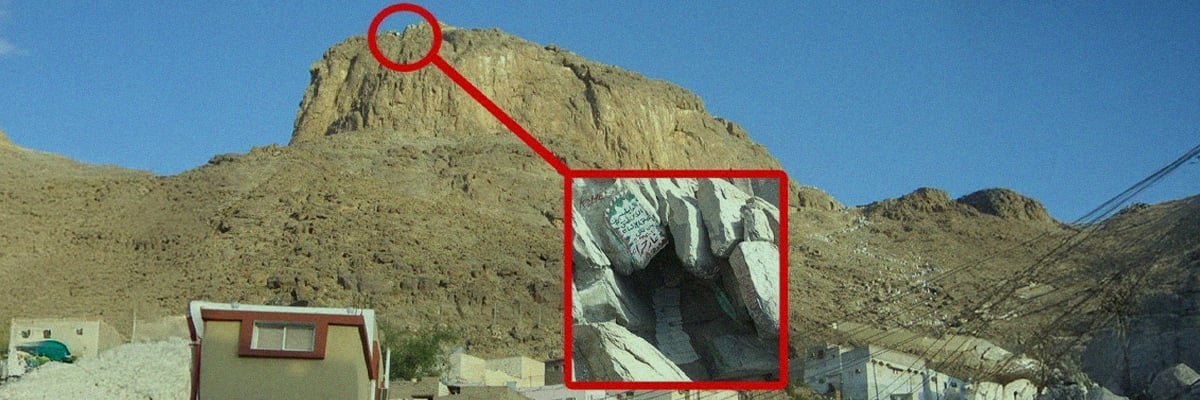
Five years passed. As he approached his 40th year, Muhammad ﷺ began experiencing profound dreams—visions so vivid and clear they felt like the dawn itself. The moral emptiness of the society around him weighed heavily on his heart. Seeking solitude, he withdrew to the Cave of Hira on Mount Nur. Carrying provisions prepared by his beloved wife, Khadijah (RA), he would spend nights in worship and reflection, returning to her only to replenish supplies.
One day, as he made his way to the cave, something extraordinary occurred. Trees and rocks along his path called out, “Peace be upon you, O Messenger of Allah!”
This was not his first encounter with such phenomena. He later recounted, “I remember a stone in Makkah that used to greet me with peace before my prophethood.” But this time was different. Not one stone, but many; not one tree, but all of nature seemed to celebrate the arrival of the Messenger.
The Prophetic Light Foretold
Such marvels were not new to Muhammad ﷺ. His life had been marked by signs and forewarnings of his future mission. When he was just six years old, his mother Amina, before passing away, told him:
"If the dream I had is true, then you are destined to be a Messenger to the people."
At the age of 12, on a journey to Syria with his uncle Abu Talib, the Christian monk Bahira recognized in Muhammad ﷺ the signs of prophethood foretold in sacred texts. Years later, during another trade journey at the age of 25, a hermit named Nastura similarly observed these signs.
The Revelation in the Cave
Let us return to the Cave of Hira. Its modest interior, measuring just enough to accommodate five people, became the stage for an event that would change the course of history.
One night, as Muhammad ﷺ was immersed in meditation, the Angel Jibreel (Gabriel) appeared before him.
“Read,” Jibreel commanded.
“I cannot read,” Muhammad ﷺ replied.
The angel embraced him tightly and repeated, “Read.”
“I cannot read,” he answered again.
A third time, Jibreel embraced him, until it seemed unbearable. Then, the angel recited the first verses of the Qur’an:
"Read in the name of your Lord who created—created man from a clot. Read, and your Lord is the Most Generous, who taught by the pen, taught man what he did not know."
(Surah Al-Alaq: 1-5)
This was the beginning of divine revelation. Muhammad ﷺ, overwhelmed by the magnitude of this encounter, returned home trembling.
The Comfort of Khadijah
He rushed to Khadijah (RA), asking her to cover him with a cloak. She embraced him with warmth and listened as he recounted everything. Sensing his fear, she comforted him:
“By Allah, He will never forsake you. You uphold ties of kinship, bear the burdens of others, support the needy, honor guests, and assist those in distress.”
Khadijah then took him to her elderly cousin, Waraqah ibn Nawfal, a Christian scholar well-versed in the scriptures. Waraqah listened attentively to Muhammad’s account and declared:
“This is the same angel Allah sent to Moses. How I wish I were young enough to stand by your side when your people drive you out!”
“Will they expel me?” Muhammad ﷺ asked, surprised.
“Yes,” Waraqah replied. “No one has ever brought what you bring without facing enmity. If I live to see that day, I will support you with all my strength.”
Not long after, Waraqah passed away, and the revelations paused briefly. This interlude filled Muhammad ﷺ with longing and anxiety, as he awaited the next command from his Lord.
The Call Resumes
One day, while walking, Muhammad ﷺ heard a voice from the heavens. Looking up, he saw Jibreel seated on a throne between the sky and the earth. Terrified, he rushed home and asked Khadijah to cover him again.
It was then that the following verses were revealed:
"O you who are wrapped in garments, arise and warn! Proclaim the greatness of your Lord. Purify your garments, and shun false idols."
(Surah Al-Muddathir: 1-5)
He ﷺ arose, fully embracing his mission.
The First Call
Standing on Mount Safa, Muhammad ﷺ called out to the Quraysh:
“Come close!”
As they gathered, he asked, “If I told you an army was advancing upon you from behind this hill, would you believe me?”
“Yes,” they replied. “We have never known you to lie.”
“Then know,” he continued, “I am a Warner to you before a severe punishment. Save yourselves from the Fire, for I cannot protect you on the Day of Judgment. Believe in Allah and worship Him alone.”
This open declaration of faith marked the beginning of his mission and the opposition that would follow.
Muhammad ﷺ was no ordinary man. Even before prophethood, his life was a beacon of truth, integrity, and service. From his title as Al-Amin to his mission as a Messenger, his life remains a testimony to the transformative power of sincerity and trustworthiness.