
Imagine standing in the divine courtroom, seeking a certificate of approval from the Creator. Who would sign it? Your father, perhaps? Your mother? Your children? Neighbors or community leaders? While all these signatures may hold some value, the most significant endorsement comes from one person—your spouse.
The Prophet Muhammad ﷺ declared:
"The best of you are those who are best to their wives."
A person may enjoy a reputation of kindness and virtue among neighbors and acquaintances, but the real testament to their character lies with their life partner. If your spouse cannot vouch for your goodness, your standing in the Creator’s eyes is incomplete.
The Greatest Debt: A Mother’s Due
When it comes to gratitude, to whom do we owe the greatest debt? A spouse, perhaps? Or our children, father, neighbors, or extended family? The answer, as revealed by the Prophet ﷺ, is neither of these. The mother holds the first, second, and third positions in this hierarchy of gratitude. Only after her comes the father. This hierarchy reflects the unparalleled sacrifices mothers make, from bearing the pain of childbirth to dedicating their lives to nurturing their children.
The Prophet ﷺ often elevated the status of women through his teachings. In one instance, he said:
"Whoever raises two daughters or two sisters, providing for their needs and caring for them, will be with me in Paradise like these two fingers." (He then held his index and middle fingers close together to illustrate.)
This remarkable statement underscores the profound rewards awaiting those who honor their responsibilities toward the women in their care—daughters, sisters, or wives.
The Unique Virtue of Daughters
A man once approached the Prophet ﷺ and asked, “O Messenger of Allah, what if I raise only one daughter?”
The Prophet ﷺ responded, “Even then.”
This extraordinary acknowledgment highlights that Islam views the nurturing of daughters as an act so noble that it opens the gates of Paradise.
In another narration, Abu Hurairah (RA) quoted the Prophet ﷺ as saying:
"Whoever supports three daughters, shelters them, and shows compassion to them will surely enter Paradise."
When asked about two daughters, the Prophet ﷺ assured, “Even two.”
When further asked about a single daughter, the Prophet ﷺ responded, “Even one.”
Islam’s emphasis on caring for daughters was revolutionary for a society that once considered the birth of a girl shameful.
Revolutionary Advocacy for Women’s Rights
The Prophet ﷺ was a relentless advocate for the dignity and rights of women. He challenged deep-seated prejudices and oppressive practices, establishing an unprecedented framework of protection and honor. Consider some of the rights he championed for women:
· The Right to Life – In pre-Islamic Arabia, female infanticide was tragically common. The Quran rebuked this barbarity, declaring:
“When the buried girl is asked, ‘For what sin was she killed?’” (Quran 81:8-9)
· The Right to Security – Women were given the right to safety from harm, including protection from exploitation and violence.
· The Right to Marriage – Women were granted the freedom to choose their spouse and were safeguarded against forced unions.
· The Right to Divorce – Islam introduced the concept of Khul’ and Faskh, which empower women to seek separation from a marriage if necessary.
· The Right to Inheritance – Women were given a share of inheritance, a revolutionary concept in its time.
· The Right to Maintenance – Husbands were mandated to provide financial support for their wives, ensuring their well-being.
· The Right to Work – Women were permitted to work and earn an income, provided it aligned with their values and responsibilities.
· The Right to Dignity – Slander and false accusations against women were explicitly condemned, with severe consequences prescribed for such offenses.
This comprehensive framework illustrates Islam’s holistic approach to empowering women, ensuring their physical, emotional, and spiritual well-being.
Reclaiming the Dignity of Womanhood
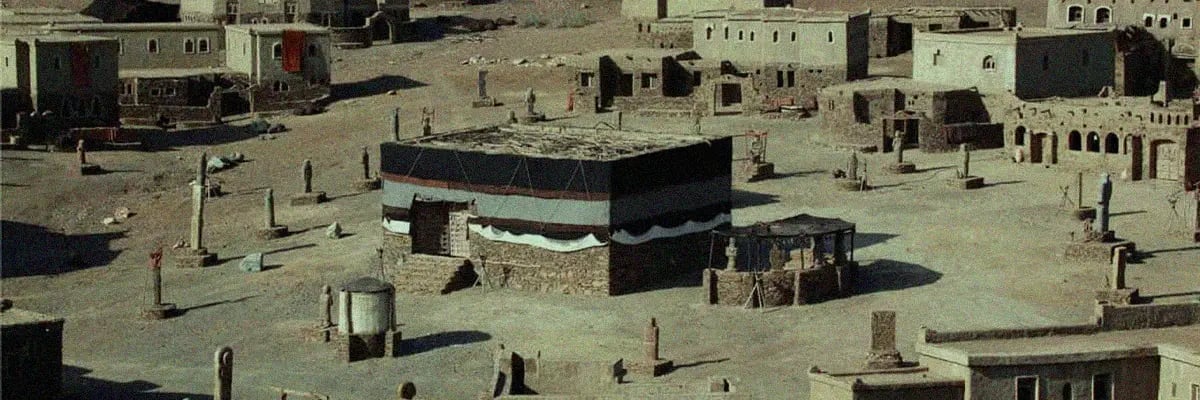
Before Islam, certain Arab tribes viewed the birth of a daughter as a disgrace, with some resorting to burying their infant daughters alive. Islam obliterated this cruelty, instilling a sense of reverence for women at every stage of life.
From birth, daughters are cherished and protected by their fathers. Upon marriage, they are cared for by their husbands. In old age, their sons take on the responsibility of their welfare. And in the absence of these, the Islamic state steps in to ensure their security.
This system, rooted in compassion and justice, ensures that no woman is ever left vulnerable or unprotected. The Messenger ﷺ further emphasized the sacred duty of supporting widows, likening those who care for them to warriors striving in Allah’s cause.
Countering Modern Exploitation
Modern calls for "empowerment" often mask the commodification of women’s bodies, reducing them to tools for profit under the guise of liberation. Women are urged to compete with men in every sphere, yet this frequently leads to exploitation rather than genuine freedom.
The Prophet ﷺ’s vision for women offered a different path—a life of dignity, respect, and security. Women were elevated as queens of their households, free from the clutches of materialism and exploitation.
In contrast to modern pressures that demand women "prove" their worth by mimicking men, Islam celebrates the unique roles and contributions of women. It honors their distinct nature and provides a framework that nurtures their well-being and protects their dignity.
An Organic Model of Equity
Islam’s treatment of women is not about rigid equality measured by percentages or quotas. It is about equity—acknowledging the distinct yet complementary roles of men and women. This balance allows both to thrive, each contributing to society in ways that align with their nature and strengths.
The Prophet Muhammad ﷺ was not just a messenger of spiritual guidance; he was a trailblazer for social justice, a defender of women’s rights, and a source of hope for the marginalized. His teachings on women remain as relevant today as they were 1,400 years ago, offering a timeless blueprint for dignity, respect, and empowerment.
In a world grappling with gender inequality and exploitation, the legacy of the Prophet ﷺ shines as a beacon, reminding us of the profound honor and responsibility we owe to the women in our lives.