
Makkah had become a furnace. The heat of the siege scorched its people—and Khadijah lay weak from hunger. The days of regal comfort were long gone. The woman who once lived as a queen had now walked the thorn-ridden path of sacrifice, offering her beloved, her wealth, and her very self to the pure call of faith. How true were the words of her cousin Waraqah ibn Nawfal to the Final Messenger: “When you introduce the Lord of the Universe, the Quraysh will not rejoice—they will rage. They will throw stones, heap insults, and turn their backs.”
Indeed, a few hearts had found sweetness in the truth and embraced the dīn. But for every soul that turned toward light, others responded with dark schemes, plotting and resisting. Now, even food and trade had been banned.
Would she waver?
Never.
Khadijah watched as more people quietly gathered around the Prophet ﷺ, drawn to his truth. The Quraysh, sensing their grip loosening, unleashed fresh violence across Makkah. Some believers sought refuge in distant lands. One group fled to Abyssinia, where the just king, Negus, welcomed them with open arms. Even foreign tribes were beginning to learn of Islam.
One faction among the Quraysh now made a grim proposal: “Let us kill Muhammad ﷺ.”
But the clans of Banū Hāshim and Banū al-Muṭṭalib stood firm. They vowed to protect him. And thus the siege began—with isolation that was more painful than thousand cuts.
The Quraysh first tried persuasion. They approached Banū ʿAbd Manāf, urging them to withdraw support. When that failed, they went to Abū Ṭālib, pressing him to hand over his nephew. He refused. And so, the Quraysh declared a total boycott. No business. No marriages. No mercy. They drafted a pact of collective ostracism and hung it inside the Kaʿbah itself.
And so, Khadijah, the noble mother of the believers, walked into the rocky gorge of Shiʿb Abī Ṭālib, side by side with her beloved and a small band of the faithful.
Their only refuge: leaves and sips of water. When even that failed, they chewed dried leather soaked in water, trying to quiet the pain of hunger. Some days, the hunger won. They fainted, one after another. The few who tried to send food into the valley did so at great risk—and the Quraysh stopped them too. Tongues bled from chewing bitter greens and raw pods. Their waste resembled that of animals.
One day, Ḥakīm ibn Ḥizām—Khadijah’s nephew—decided to send some grains to his aunt. But the Quraysh had issued strict orders: “No food. No pity.” As Ḥakīm tried to enter the valley, the leader of the siege, Abū Jahl, stopped him.
“If you proceed,” he threatened, “I will shame you publicly.”
Others witnessed this. Some spoke up. One man, Abū al-Bakhtarī, confronted Abū Jahl.
“Let him be!” he cried. “He is only bringing food to his aunt. What gives you the right to stop him?”
The dispute turned violent. A bone from a camel’s jaw was used as a weapon. Abū Jahl was wounded.
Among the witnesses was Ḥamzah. The whole valley trembled. More and more people aligned with the Quraysh, declaring: “As they have abandoned our gods, so we abandon them.” That was their logic.
And through it all, Khadijah gave everything—until nothing remained. The wealthy lady of Quraysh embraced poverty with dignity. She gave her property for the sake of Allah. Her life became a shade tree under which the Prophet ﷺ could rest.
Even after the Muslims triumphed in Makkah, and as thousands flowed toward the dīn, the Prophet ﷺ continued to remember her. Always. What love that must have been! What fortune was hers.
She had sheltered revelation. She had wrapped the trembling Messenger in her arms. She had known the pulse of Ḥirā’. She had received the prayers of Jibrīl. She had been greeted with the peace of the Lord of the worlds. And those who heard her story held her close to their hearts: the fortunate mother. When the moment of departure came, her beloved ﷺ was at her side. He wept. He comforted.
“This is the unbreakable decree of Allah,” he said. “Your sacrifices and righteous deeds will have high rank with Him.”
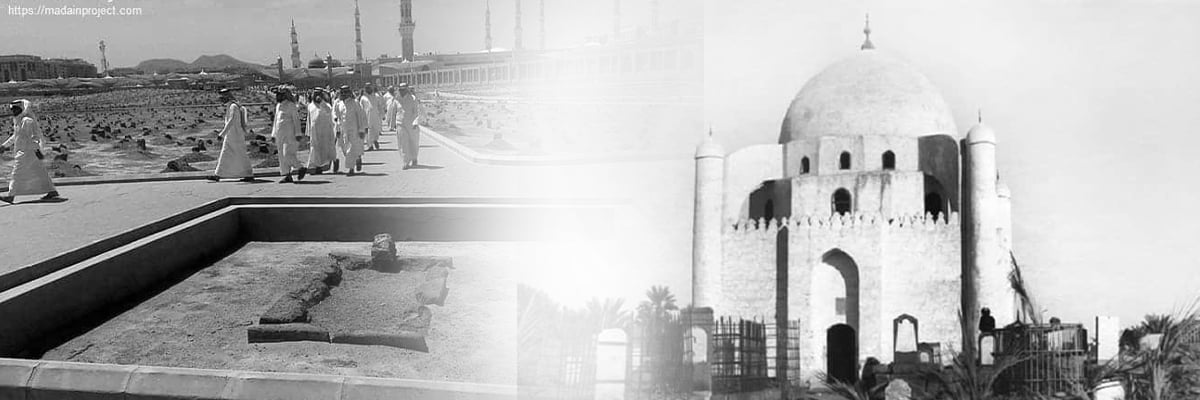
She looked at him without fear, holding his gaze one final time. Through her closing eyes, joy welled from the heart. And thus, she returned her soul to the One she loved. They prepared her grave in al-Ḥujūn. The noble companions lowered her into the earth—into her home in Paradise.