
In the assembly of the Quraysh, a cruel suggestion echoed—and it struck a chord in Abū Lahab. He had always nursed hatred toward the Prophet ﷺ. Now, here was the perfect opportunity to wound him. Abū Lahab’s sons, ʿUtbah and ʿUtaybah, were married to the Prophet’s beloved daughters: Ruqayyah and Umm Kulthūm. The Quraysh advised: “Break these ties. Hurt Muhammad through his own flesh and blood.” Abū Lahab agreed with bitter glee. He approached his sons, and they too accepted the plan. The household rejoiced in malice. A family drunk on its enmity to the Messenger of God ﷺ.
Islam was entering its dawn. And those who refused its light did not tolerate those who did. Abū Lahab and his wife, Umm Jamīl, turned their spite against their daughters-in-law. Ruqayyah and Umm Kulthūm were soon cast out. Yet the Prophet ﷺ and Khadījah felt relief. Their daughters had been released from homes of hatred. And soon, something better blossomed.
The noble ʿUthmān ibn ʿAffān took the hand of Ruqayyah in marriage. She became not just his wife, but his partner in daʿwah, in devotion, in migration, and in every sacrifice that lay ahead. She understood him. She supported his mission. Together, they built a home lit by the love of God.
Can those who remember the early migrations ever forget Ruqayyah?
She and ʿUthmān were among the few to board two small boats headed to Abyssinia—seeking protection from persecution, seeking a land where they could worship in peace.
The journey was harsh. The climate unforgiving. Ruqayyah was pregnant—and the difficulties strained her body. Yet she bore it with grace, wrapped in the armor of patience. Later came news—perhaps the persecution in Makkah had lessened. Perhaps it was safe to return. Ruqayyah’s heart longed to see her parents, her sisters, her home.
She returned with her husband and a few others. Her sisters, Fāṭimah and Umm Kulthūm, embraced her in tears. But one beloved face was missing. Their mother, Khadījah, had passed on. The house was not the same. Makkah had not softened—it had hardened further. The enemies of Islam plotted more fiercely than ever. And when the Prophet ﷺ prepared to emigrate to Madīnah, Ruqayyah (RA) too prepared for another hijrah.
There, in Madīnah, joy returned for a while. She and ʿUthmān were blessed with a son—ʿAbdullāh ibn ʿUthmān. But the peace was short-lived. As the call to Badr rose, and the Prophet ﷺ gathered the Companions, Ruqayyah (RA) fell seriously ill. The Prophet ﷺ instructed ʿUthmān to remain by her side. While swords clashed in Badr, death knocked softly in Madīnah. With trembling lips, she uttered the words:
Ashhadu an lā ilāha illa Allāh… wa ashhadu anna Muḥammadan Rasūl Allāh.
And her soul returned to its Lord. ʿUthmān was shaken.
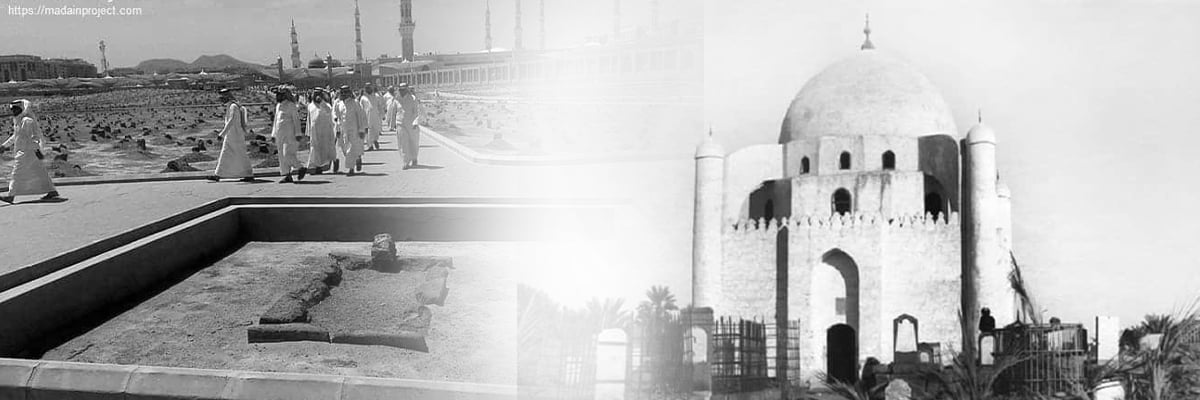
Women gathered to wash and shroud her. There were few men in Madīnah—most had gone to Badr. Those who remained dug the grave. Tears streamed down ʿUthmān’s face as he laid his beloved to rest. And as she was buried, news reached Madīnah: the Muslims had triumphed at Badr. But Ruqayyah had already returned to her Creator.
The Prophet ﷺ, overwhelmed by love and loss, walked to her grave with his daughters. Fāṭimah was nearly faint with grief. He stood by the soil that now embraced his precious child—his companion in sorrow, his daughter of migration, his fragrant flower in this world. He lingered there. And around her grave, even the air was perfumed.