
Zaynab did not wish for that marriage. But then came the command—from Allah and His Messenger ﷺ.
“If that is their command,” she said softly, “then it is my will too.” And with that, she consented to the nikāḥ with Zayd ibn Ḥārithah. Zayd—the beloved companion who had once been a slave, freed and then adopted by the Prophet ﷺ, and called Zayd ibn Muḥammad by the people of Makkah. Islam, however, was about to shine a light into dark corners of custom and caste.
Though Zayd had been freed, Arab society still looked down upon those who had once been enslaved. They remained, in many eyes, second-class. But Islam tore through that illusion. It insisted that all are equal before God, that dignity is not inherited by blood, but earned by character.
It was the Prophet ﷺ himself who proposed the match between Zayd and the noblewoman Zaynab bint Jaḥsh—his own cousin. Society hesitated. But Zaynab obeyed.
Islam was reshaping the soul of a people. Slavery and lineage, nobility and names—all the artificial boundaries of arrogance were dissolving. In their place, Islam planted the seeds of humility and divine equality.
Zayd and Zaynab lived as husband and wife for a year. But as time passed, discord grew between them. Zayd came to the Prophet ﷺ more than once, seeking advice. The Prophet ﷺ advised him to hold on, be patient, and keep the bond. But ultimately, the two separated. Then came another divine lesson.
The Arabs of Jāhiliyyah treated adopted sons as blood sons. They even included them in inheritance. Islam corrected this: an adopted son is not the same as a biological one. And more than that—marrying the former wife of one’s adopted son, once unthinkable, was now revealed to be lawful.
By Allah’s command, the Prophet ﷺ was instructed to marry Zaynab (RA), who was now divorced from Zayd. And he did. Zaynab bint Jaḥsh was noble, dignified, and devout. Among all the wives of the Prophet ﷺ, she alone could say with full pride:
“Your families arranged your marriages. But me? I was married by Allah from above the seven heavens.”
She was the Prophet’s cousin through his paternal aunt, and she prepared for death even while alive—sewing her own burial shroud with her own hands, pouring out her devotion to Allah. Through Zaynab, the Prophet ﷺ taught the community lessons that could not be taught otherwise. Her marriage lit up the path ahead, dissolving taboos, dispelling shadows, opening the way for justice.
Lady ʿĀʾishah once narrated:
“The Messenger of Allah ﷺ said to us: ‘The one who joins me first among you will be the one whose hands are longest.’ And we understood this to mean charity.”
It was Zaynab who passed away first among the wives of the Prophet ﷺ. And she was indeed the most generous of them all. Whatever she earned by her own hands—stitching leather, sewing goods—she gave in charity. Whatever came to her from Bayt al-Māl, she distributed to the poor, the needy, and her relatives. She kept nothing for herself.
Lady ʿĀʾishah testified:
“In charity, in concern for family, in God-consciousness, in devotion, and in purity—I have never seen a woman like Zaynab.”
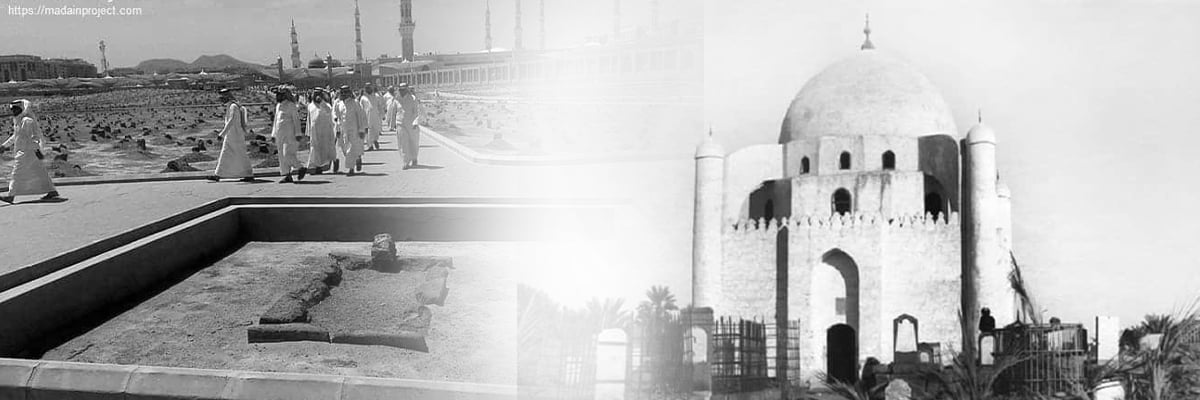
In the 20th year of Hijrah, she returned to her Lord—the first of the Prophet’s wives to pass away after him, just as he had foretold.
The largest wedding feast the Prophet ﷺ ever prepared was for his marriage to Zaynab. It was in connection to this event that a verse of the Qur’an was revealed—inviting guests to be courteous, accept hospitality, but not to linger beyond their welcome:
“When you are invited, then enter… but when you have eaten, disperse, and do not linger in conversation.” (Surah al-Aḥzāb 33:53)
Thus, through one marriage, a thousand lights were lit—illuminating the road for generations to come.