
It was a harsh reprimand that echoed through the air, tearing at the dignity of the one it was hurled at.
“Bilal! Do you even know how many days remain in this month?”
“Just a few,” Bilal replied calmly.
“Four days! That’s all! And if you haven’t returned my money by then, I’ll make sure you regret it. I will make you my slave if you fail to repay me this time,” the man sneered, his words laced with venom. “Do you think I lent you the money out of respect for you or your Prophet? Never! It was all part of my plan to bring you under my control. You were once a shepherd tending flocks—soon, you’ll be doing it for me as my slave!” The man sneered, his words laced with venom, his gaze piercing.
Bilal (RA), the beloved companion of the Prophet ﷺ, stood unmoving. But within, the sting of humiliation burned. Once a slave who had tasted the bitter chains of bondage, he had been freed by Islam. Yet here he was, his humanity reduced to a mere bargaining chip, his dignity questioned.
The incident was a calculated ploy. The man, a wealthy disbeliever, had intentionally set the trap. Knowing that Bilal (RA) managed the Prophet’s ﷺ financial affairs, he saw an opportunity to assert his power. Bilal’s role was integral to the community’s welfare—he was the one entrusted with handling all financial transactions on behalf of the Prophet ﷺ. Whenever someone came to the Prophet ﷺ in need—whether it was clothing for the destitute or food for the hungry—it was Bilal who made the arrangements.
The Prophet ﷺ had given Bilal a standing instruction: "If someone is in need, provide for them." Often, this meant taking on debts to ensure no one was left hungry or unclothed. It was a responsibility Bilal fulfilled with unwavering dedication.
One day, a wealthy man who was a prominent disbeliever approached Bilal and said, “Why do you trouble yourself by borrowing from so many people? If you ever need anything, come to me. I’ll provide the funds.”
Relieved to have a single source of support, Bilal began borrowing from this man whenever there was a need. The arrangement worked smoothly for a while, but the man had ulterior motives. He saw an opportunity to entangle Bilal in a web of debt and then use it to exert control.
The moment came when the man decided to strike. With a group of merchants, he confronted Bilal in public. “Oh, Abyssinian!” he called out, his voice dripping with disdain. Bilal turned to face him, and the man continued, “How many days remain in this month?”
“Only a few,” Bilal replied calmly.
“Indeed! Just four days! If you don’t repay my money by then, I will seize you. Do you hear me? I didn’t lend you that money out of respect for you or your Prophet ﷺ. Never! It was my plan to enslave you—to make you herd my sheep as you once did for others. That’s what you’re destined for!” His words were laced with mockery and venom, calculated to humiliate Bilal.
Bilal felt the sting of the man’s words, but he held his composure. Here was a man using the specter of slavery to demean him—a man who sought to drag him back to a life from which Islam had liberated him. The threat weighed heavily on his heart. Bilal, however, did not act on his own; he turned to the one he trusted most.
That evening, Bilal approached the Prophet ﷺ after the night prayer. Seeking permission to speak, he said, “O Messenger of Allah, I am in distress. I owe a debt to a man who is now threatening to humiliate me if I do not repay him. Neither I nor you have the money to settle it. Allow me to go and seek help among the believers. Perhaps Allah will provide a way for us.”
The Prophet ﷺ gave him permission, and Bilal returned home, restless with worry. That night, sleep eluded him. Every time he drifted off, he woke again, his thoughts consumed by the impending deadline and the creditor’s threats. The hours crawled by until dawn finally broke.
As the first light of day appeared, a man arrived at Bilal’s door with urgent news: “Bilal, the Prophet ﷺ is calling for you. Come quickly!”
Rushing to the mosque, Bilal found the Prophet ﷺ waiting for him, seated beside four camels loaded with goods. Smiling, the Prophet ﷺ said, “Bilal, rejoice! Allah has provided for us. These camels and their loads have been sent by the governor of Fadak. Take them and repay all your debts.”
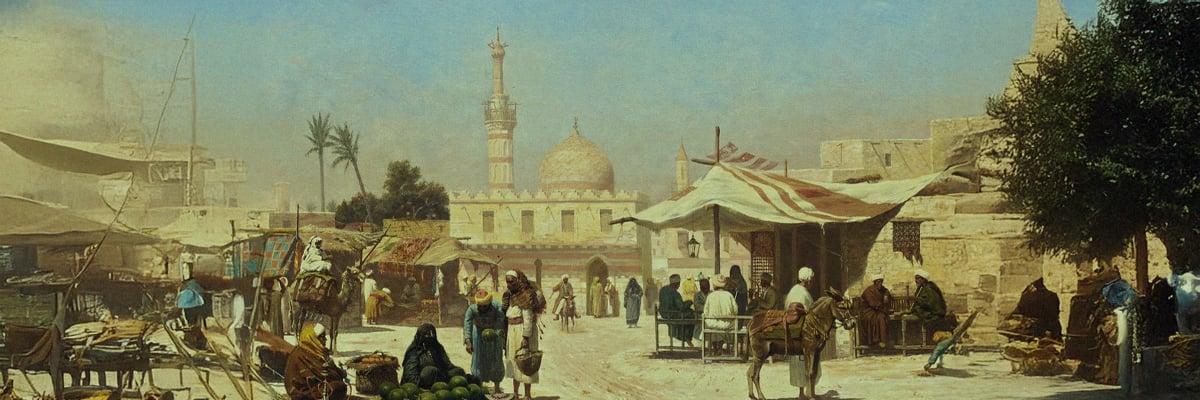
Bilal praised Allah and got to work. He unloaded the camels, carefully cataloging their contents, and began using the goods to settle every outstanding loan. As the sun rose higher in the sky, Bilal went to the marketplace, calling out, “If anyone is owed by the Messenger of Allah ﷺ, come forward!”
One by one, the creditors came, and Bilal repaid them in full. By the end of the day, all debts had been settled, leaving only a small surplus of goods.
A Prophet’s Restlessness
Relived, Bilal returned to the mosque and informed the Prophet ﷺ.
“Every debt has been paid, O Messenger of Allah, but a little remains.”
The Prophet ﷺ nodded but remained unsettled. “Distribute it all, Bilal. I cannot rest knowing that anything is left unspent.”
So, Bilal resumed his task. As evening fell, two needy individuals arrived. Bilal handed them the remaining goods, ensuring nothing was left. Only then did he return to the Prophet ﷺ with the news.
“Allah has relieved you, O Messenger of Allah,” Bilal said.
Hearing this, the Prophet ﷺ raised his hands in gratitude, saying, “Allahu Akbar! Alhamdulillah!”
It wasn’t merely the presence of wealth that unsettled the Prophet ﷺ—it was the responsibility it carried. For him, possessions were not to be hoarded but distributed to those in need. Once the goods were gone, his soul found peace.
That night, for the first time in days, the Prophet ﷺ visited each of his wives, offering greetings of peace before finally resting.
The Messenger and His People
This wasn’t just a story of financial transactions. It was a testament to the relationship between the Prophet ﷺ and his companions. It demonstrated his unyielding commitment to justice, compassion, and the well-being of his community. Bilal, a man who had once been enslaved, was entrusted with the Prophet’s finances—a role of immense responsibility.
But the story doesn’t end there. The Prophet ﷺ elevated Bilal to a position of unparalleled honor. He stood shoulder to shoulder with him, entrusting him with the call to prayer—the very proclamation of Allah’s greatness and human equality.
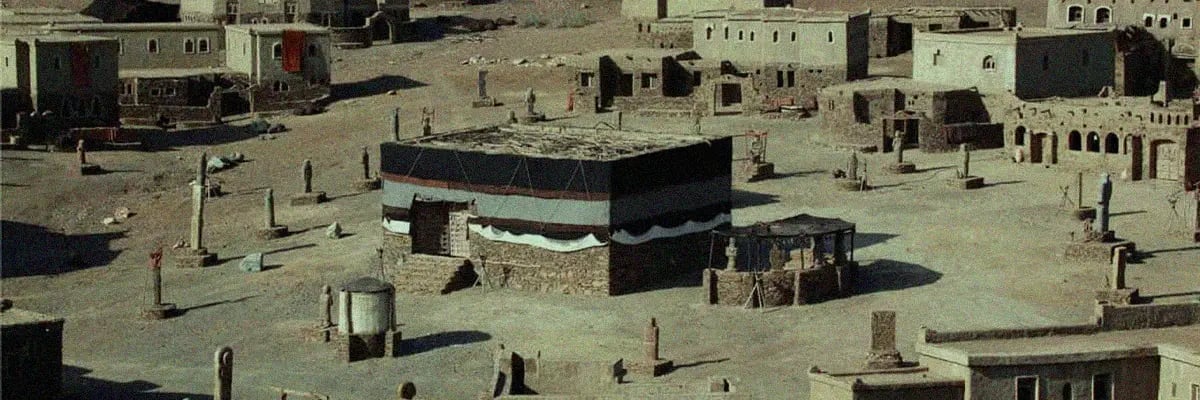
When Bilal ascended the Ka’bah to call the adhan, it wasn’t just a declaration of faith; it was a revolutionary act. It shattered societal hierarchies, declaring that in Islam, piety, not race or status, determined a person’s worth. The adhan proclaimed, “Allahu Akbar!”—Allah is greater than wealth, power, and all human constructs.
Mis’ab ibn Umair: From Luxury to Sacrifice
On a different occasion, another incident of the similar nature unfolded in the life of the messenger and the companions. Mis’ab ibn Umair entered the gathering, his once opulent life now a distant memory. Once the darling of Meccan society, known for his silken attire and unparalleled elegance, Mis’ab now wore a patched garment of coarse cloth, barely sufficient to cover his body.
The sight brought tears to the Prophet’s ﷺ eyes. “What a transformation,” he murmured, his voice trembling with emotion. “O Mis’ab, you once lived in comfort and luxury. And now, here you are, stripped of all worldly possessions, yet nobler than ever in your sacrifice for Allah.”
The companions watched in silence as the Prophet ﷺ turned to them, his words carrying the weight of foresight. “How will you be,” he asked, “when wealth surrounds you? When your homes are adorned as the Ka’bah is adorned, and your tables are spread with endless varieties of food, one dish taken away only to be replaced by another?”
The companions, imagining a future free of hardship, responded eagerly, “Surely that will be a better time, O Messenger of Allah! We will be able to worship freely, without worry or hunger.”
But the Prophet ﷺ, ever the teacher, gently corrected them. “No, today you are better. Wealth will bring division and distraction, just as it did to those before you. It will cause you to compete with one another and will lead you astray, as it did to them.”
The Prophet’s ﷺ words were a poignant reminder of the trials of abundance. Poverty tests patience, but wealth tests the heart, and the latter is often the greater challenge.
A Redefinition of the Wealth
Through his actions and teachings, the Prophet ﷺ redefined wealth—not as a measure of personal success, but as a means to uplift others. He taught his companions to view possessions as a trust, a resource to serve those in need. And he lived by this principle, giving freely, even when it left him with nothing.
This story is not just about Bilal, Mis’ab or the Prophet ﷺ—it’s an eternal lesson. In a world often consumed by material pursuits, it reminds us of the power of compassion, the importance of justice, and the beauty of living for others.