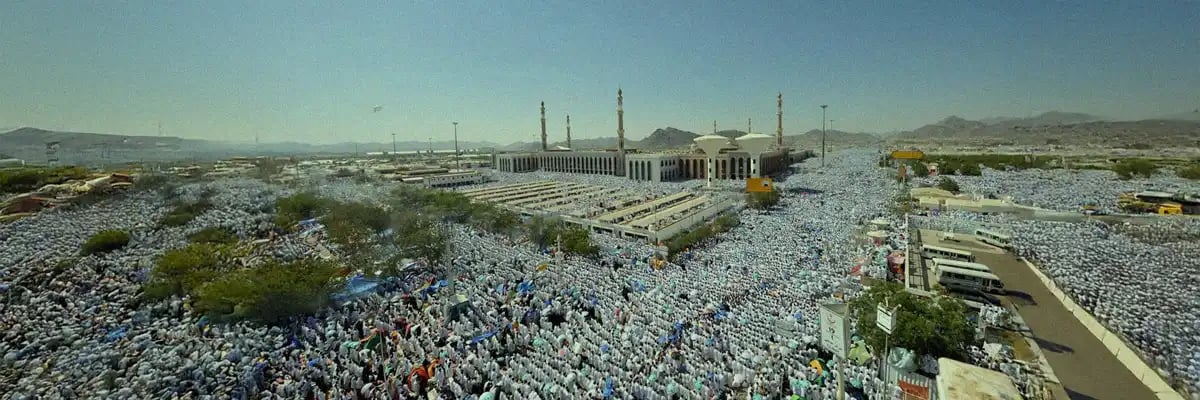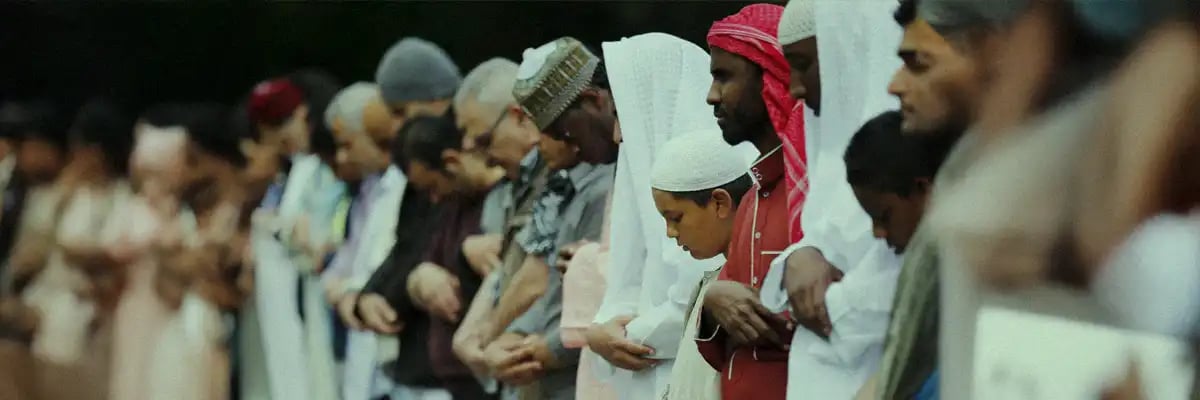

Now is the time for us to awaken. Everything that needed to be said to us has already been spoken by Allah. Now, it is our turn. Come, let us turn to Allah and speak to Him. One crucial thing to remember: when we heard about Allah, we felt an immense sense of fulfillment. Our Creator possesses qualities that captivate every heart.
He is the owner of boundless love. Whether we return gratitude or not, He bestows upon us in abundance, an ultimate benefactor without limits. He is an ocean of mercy, giving without distinction, without reservation, without keeping count. Even in our moments of solitude, in darkness, in distress, surrounded by enemies, He watches over us, never letting us fall. He created us from nothing, provided for us at every stage of our lives, nurturing us in ways beyond our own understanding. Our Creator, Allah! What can we possibly offer in return to such a Being? If we are to say anything, let it be said with the utmost care. If we are to give anything in return, let it be after deep contemplation.
If it were a minister, we could present a memento. If it were a teacher, a book. If it were a lover, a flower. If it were a boss, a bouquet. But who is this? He is the Lord of all worlds! Beyond Him, there is none. He needs nothing from us. In fact, everything we might offer is already His, created and sustained by Him. What, then, can we possibly give to such a Being? He knows us better than we know ourselves. He works for us more than we work for ourselves. He safeguards us better than we ever could. He loves us more than we love ourselves. O my Lord!
An idea arises! A thought: What if we offer Him something that we have never given to anyone else in this world? Something that no other being has ever shared in or claimed as their own? What if we offer ourselves entirely? What else do we have to give? If I were to stand alone, or you alone, or someone else alone, it would be insufficient! I know what I am—I am nothing! You are you! Even if I were the purest of the pure, I could never present myself alone in the presence of the Almighty!
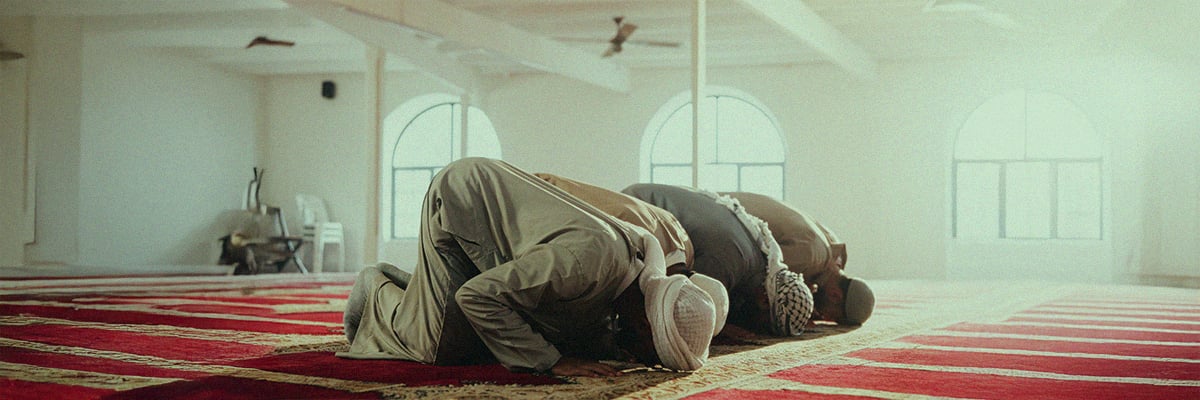
So, come, all of us together! Let us surrender ourselves wholly. Let us bow our heads in submission. Let us declare, with grandeur, humility, obedience, and reverence: Iyyaka na’budu—We are Your servants! Servants? Yes, servants! Servants! Servants! Servants!
Ordinarily, servitude is something people despise. We strive to escape from all forms of subjugation. What is life without freedom? Isn’t freedom the very essence of life? Didn’t the poet say, Slavery is more terrifying than death for those who cherish dignity? What good is honey and ambrosia served in a golden chalice if one is chained in captivity? Who wants bondage, even if it comes with the sweetest milk and the richest nectar?
But listen, there is a moment in life when one must ask: Who truly desires freedom? We wait for someone, longing for their presence. After ages of yearning, we finally get a rare chance to meet them. Until that moment, we were bound by circumstances. But suddenly, someone sets us free at that exact moment. Yet, that very freedom becomes the chain that keeps us away from them. One might ask then: Who needs this freedom?
But here, we are not becoming the servants of a lover. No matter how grand words like eternal and boundless love may sound, human love is fickle. If a lover does not receive what they expect, resentment follows. When the once-beautiful face begins to show the wrinkles of time, the truth about fleeting affection is revealed. Time has witnessed countless such stories, which is why the Quran takes time itself as a witness to truth.
Nor are we becoming the slaves of a capitalist master. A capitalist needs us for his gain. He depends on us. If we stop working, his production halts. If we strike, his empire trembles.
However—We are becoming the servants of Allah. What do we truly own? Everything we claim to be ours is actually His. Everything we need comes from Him. Yet, He has no need for us. He depends on no one. He has no place, no time, no family, no parents, no children, no allies, no friends. He does not sleep, does not tire, does not weaken. He was not created. He will never cease to exist.
Reflect deeply: every moment of our existence is sustained solely by His mercy. If even a single glance of His favor were to be withdrawn, we would be finished. A mere thorn in the finger teaches us pain. If a finger is cut off, if an eye bursts, if a limb is paralyzed, if hearing fades, if the heartbeat becomes erratic—only then do we realize the blessings we take for granted. A simple stomach ailment that forces us to frequent the washroom reminds us of our fragility.
Our hearts have been tirelessly pumping since the day we were born. If a vehicle engine malfunctions, a mechanic shuts it down for repair. But the human heart cannot be switched off for maintenance. It keeps beating, sending life-giving blood to every part of our body, every region, every corner, without pause. If it stops for even a moment, everything ends.
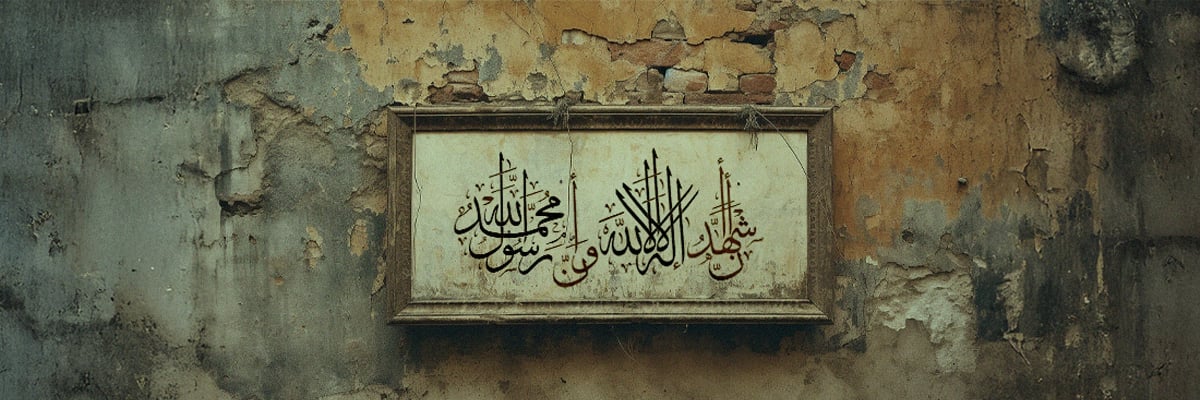
Even the purest heart cannot function without air. If the air were suddenly sucked away or polluted beyond breathability, we would perish. Every breath we take is a dependence on Allah. Every second, we are bound to Him in reliance. What else can we say but this: We are Your slaves, O Allah! What greater celebration can there be than publicly declaring our servitude to Allah? Let us stand together once more and proclaim: Iyyaka na’budu… We are Your servants alone!
Now, we must have a name for this precious servitude we offer to Allah. A name that belongs to Him alone, something no one else can claim. Love? No, for it is shared among many. Affection? No, that sounds childish. Compassion? No, that is universal. Respect? No, for it belongs to parents, teachers, elders, and saints. It must be a name so unique that no one else has a claim to it. And so, it is exactly this—Servitude! Ibadah! —Worship!
Do you understand?
Now, let’s clarify: What exactly is worship? The Quran states that humans and jinn were created for worship alone. This means everything in our lives must be worship. Does that mean walking, lying down, playing, bathing, farming, trading, sleeping, studying, even taking exams—are all acts of worship?
Yes! If done with the right intent. Worship is not just about specific rituals. It includes the inner submission of the heart. Anything done with the consciousness of surrender to the One Supreme Being is worship. Every necessity, every voluntary act—when done in the spirit of submission—falls under worship. It is not about running away from life’s responsibilities and immersing oneself in rituals while ignoring the suffering around us.
Let’s take an example of a man whose mother is sick with a fever, whose children cry in hunger, whose wife suffers in distress, whose neighbor has lost her husband and is now alone with orphaned children. If he ignores all this and retreats to a mountain cave to chant prayers, is that worship? No! Worship is declaring, My prayers, my actions, my life, my death—they are all for You, my Lord! That means every moment of life, every movement, every stillness is worship. But it must come from a place of true surrender.The noblest of all creation is Prophet Muhammad ﷺ. There is no being greater in sanctity than him. Yet, the highest title Allah bestowed upon him was— abd or Servant! It is into this exalted shelter of servitude that we, the most humble, seek to enter. O Allah, accept us as Your devoted slaves, as Your most obedient servants. Ameen.