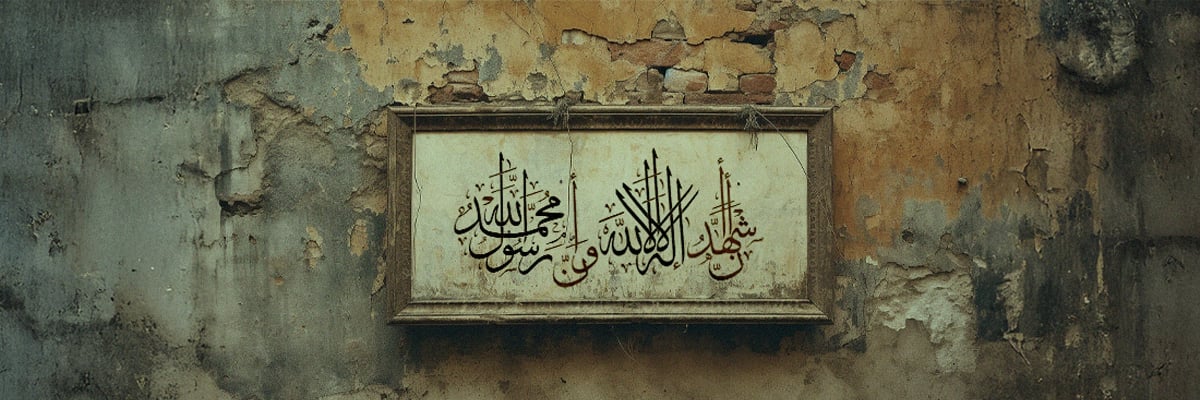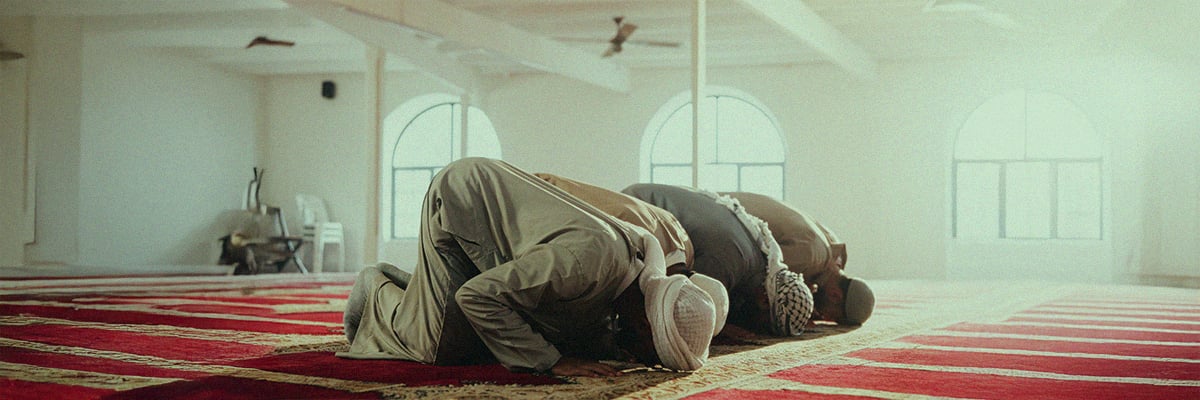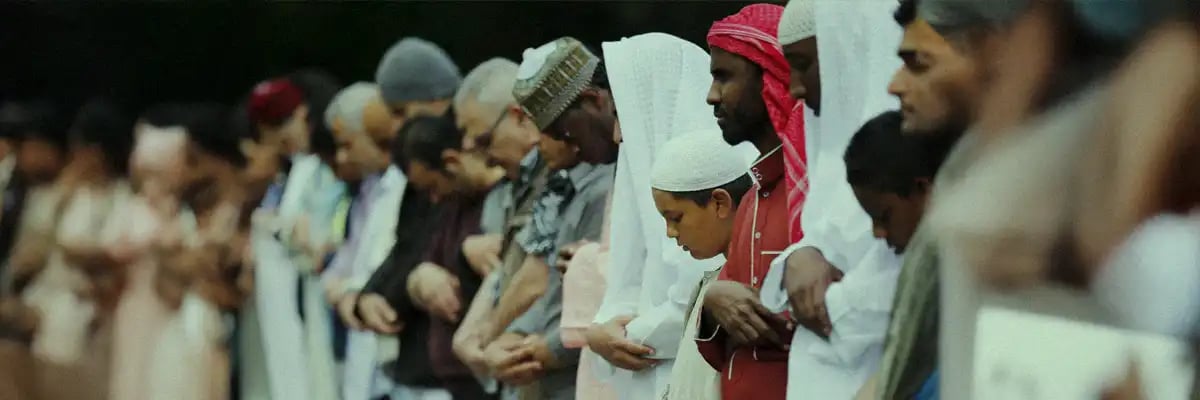

Haven’t we already surrendered ourselves to the one and only God? Haven’t we openly declared our servitude? Now, whatever we need, He will surely provide. But still, it is our dignity to ask. And who else can we ask but Him? That is the essence of the most profound supplication—Iyyāka nasta‘īn—“You alone we seek for help.”
One must ask only the truly worthy for what truly matters.
Once, a king summoned all his subjects and gave them an extraordinary chance: ask for whatever you desire. The people came forward, making their requests—some asked for sweet potatoes, others for palm leaves, bamboo, iron nails, or bundles of firewood. But a few wise ones, the rare visionaries, asked for gold. Some sought corals, some rubies, some rare gemstones.
When they returned to their villages, those who had carried home their loads of bamboo and firewood mocked the ones who had come back empty-handed. “Fools,” they sneered. “You went to the king and returned with nothing?”
But the wise ones simply opened their palms. There, nestled in their hands, were radiant, dazzling gems, shimmering in the sunlight. The mockers fell silent, their laughter dying in their throats.
For common needs—firewood, stones, trees, and tools—He has already established provisions in this world. What should we then ask from Him? Nothing but the rarest, the most precious, the most invaluable of all gifts. And what is that? It is precisely what we plead for in every prayer: Sirāt alMustaqīm—the Straight Path.
What good is all else if the path we tread is false?
The world is strewn with roads. The Qur’an tells us there are two fundamental paths: one true, the rest misguided. That is the problem. Amidst a thousand roads stretching before us, only one leads to the truth. Finding it is not easy. And even if one sets foot upon it, there are deceivers lurking by the wayside, whispering temptations, pulling, luring, leading astray.
To find and walk the right path is not just a personal necessity—it is a collective need. Individual needs may vary; one may require bamboo, another sugarcane, yet another a fishing net or a plow. But the universal need, the one request that stands above all else, is guidance to the Straight Path. That is why, in our prayers, the “I” dissolves into “we.” It is not a lone traveler’s journey but a collective yearning. Each supplicant, whether praying alone or in congregation, is not just seeking for themselves, but for all:
“O Lord, grant us all the Straight Path!”
Knowing the right path is not the issue. It is not enough to simply see a signboard pointing toward guidance, just as it is not enough to know the name of a country from a roadside marker. For some, a sign may be sufficient. But others, despite countless signs, still wander aimlessly, never reaching their destination.
To see the road is one thing. To walk it is another. And for many, walking it alone is not enough. They seek companionship, assurance. Like a child stepping out into the world, looking back at their mother, hoping she will follow.
Some guests are like that too. Even when given the clearest directions, they refuse to hang up the phone until they arrive at your doorstep. “Is it this house? The one with the mango tree in front?” They need reassurance at every step.
And some children are stubborn. “It’s not enough for you to watch from the doorstep,” they protest. “Come with me, walk beside me!” Perhaps it is because they lack confidence. Or maybe, they simply cherish the joy of being with their parent.
Our plea—ihdinā—“Guide us”—carries all these layers. Some seek mere direction. Others, constant companionship. Each asks in their own way, according to their need.
Yet, there are those who take a different stance. “Why worry about others?” they argue. “Shouldn’t we just mind our own path?”
But in matters of the Straight Path, we are not passive wanderers. We take a firm stand. That is why our supplication is bold and unwavering:
“O Lord, do not place us among those who have earned Your wrath or gone astray!”
History reveals who they are. When Allah sent prophets to guide humanity, some generations responded with defiance, mockery, even cruelty. They rejected the messengers, ridiculed them, persecuted them, executed them. Despite being showered with blessings, they repaid divine mercy with sheer ingratitude.
Others took it to the opposite extreme—elevating prophets beyond their human station, turning them into divine figures, creating myths that led entire communities astray. Both paths led to ruin.
Thus, the Fātiḥa concludes with a plea—not just for guidance, but for protection. Protection from the arrogance of those who rejected the truth. Protection from the delusion of those who lost themselves in excess.
This, then, is our ultimate prayer:
“Guide us on the Straight Path and keep us steadfast upon it.”
For what is greater than the certainty of walking in the light?