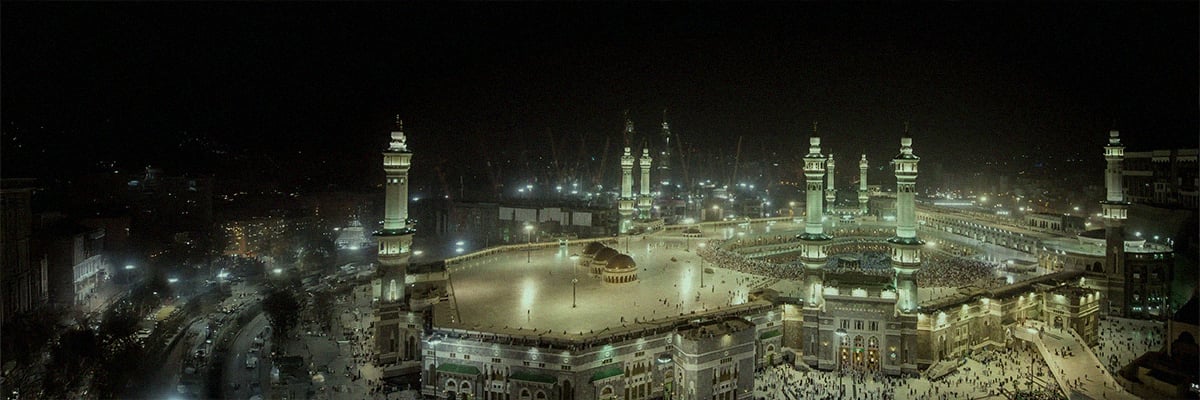
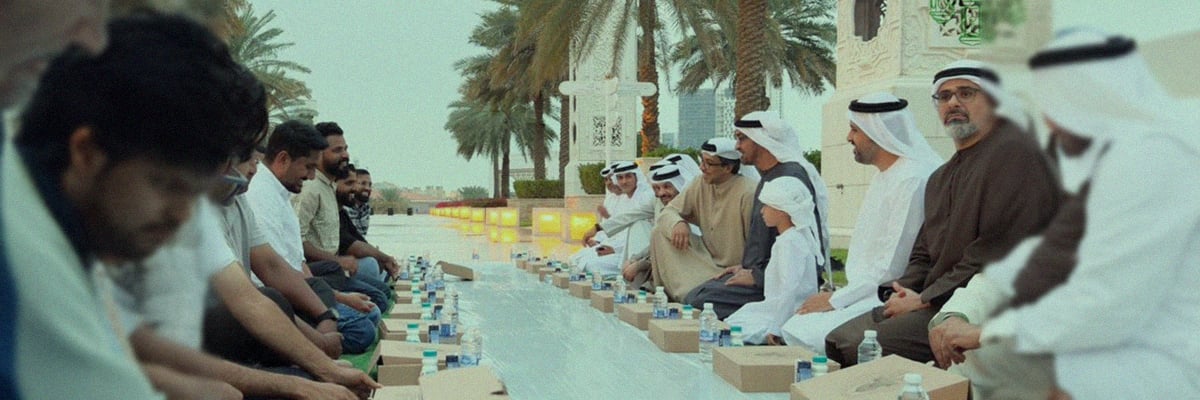
The sacred Hajj is a magnificent model of unity and humanity. Regardless of differences in region, language, color, or family, millions of people gather in Makkah, Saudi Arabia, with one heart and in unison of chants. A powerful message becomes clear: that before the Lord, we are all equals. This realization helps every believer, through the journey of Hajj, to uproot all thoughts of arrogance from the heart and become purified.
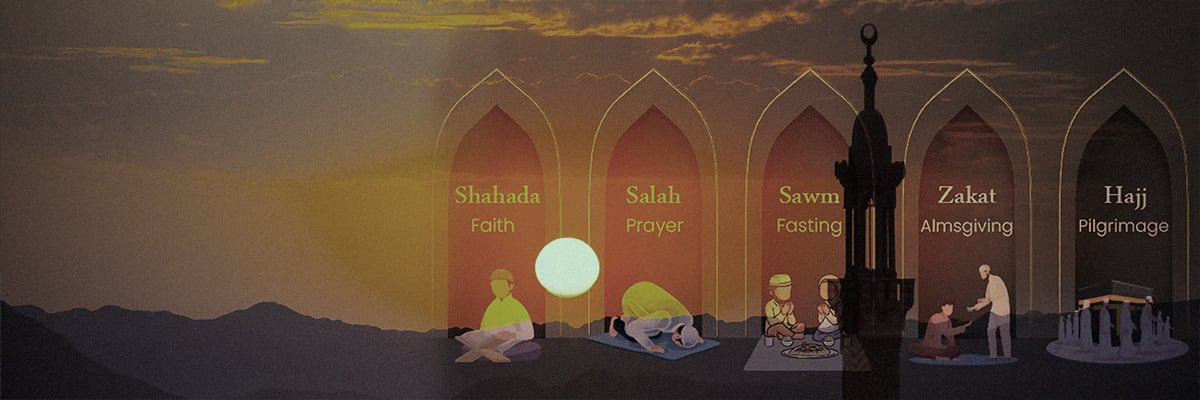
Hajj is one of the five pillars of Islam. It becomes obligatory for those who possess sufficient wealth, health, and the means to travel. For those who do not meet these conditions, it is not compulsory. Even then, it is required only once in a lifetime, though it may be performed voluntarily multiple times.
For every Muslim, there is a deep longing to perform Hajj at least once in life. Unlike other forms of worship, Hajj has several distinctive features. While prayer, fasting, and zakat can be practiced in any country, Hajj can only be performed by traveling to Makkah, where the Ka‘bah is situated. The others are generally less demanding, but Hajj entails some hardship. Even the dress code is different. There is a specific time for Hajj — it must be performed in the month of Dhul-Hijjah, the final month of the lunar calendar. It is not a form of worship that one performs after training, like other rituals.
Because it involves a direct journey for a particular act, a clear understanding is essential.
The uniqueness of Hajj lies in the convergence of differences. People with different languages, customs, cultures, culinary habits, and body types — all remarkably diverse — unite in one place at one time for a single act of worship. In today’s world, where racism and sectarianism often reign, Hajj stands as a grand proclamation of humanity.
The Hajj rituals are woven from the lives of Prophet Ibrahim (peace be upon him) and his family and the history of surrendering the self in the path of the Divine. Each site and ritual in Hajj is a reenactment of those historical testimonies.
Behind every location — Ka‘bah, Safa, Marwah, Mina, Arafah, Jamarat, Maqam Ibrahim, and Zamzam — lies a blaze of sacred memories.
This is a powerful expression of the importance Islam assigns to Prophets, noble personalities, sacred souls, and blessed places. Remembering the righteous, revisiting histories, and conducting annual commemorations — all are part of the Islamic heritage.
The Ka‘bah, toward which believers turn every day for mandatory and voluntary prayers, is the very site where Hajj must be performed. The Ka‘bah is believed to be the first structure ever built on earth for worship. The land of Makkah, where it stands, has been declared sacred.
Therefore, cutting down trees, hunting animals, committing transgressions, or even entertaining the thought of such actions is forbidden there. Worship performed in Makkah earns rewards manifold compared to anywhere else.
It is narrated that all previous Prophets have performed tawaf (circumambulation) around the Ka‘bah and have performed Hajj. Unlike other acts of worship, Hajj comes with rewards that are not disclosed for any other worship. The Prophet (peace be upon him) said that an accepted Hajj has no reward but Paradise.
Closely associated with Hajj is ‘Umrah. Like Hajj, ‘Umrah must be performed by traveling to the Ka‘bah in Makkah, and it is also obligatory once in a lifetime. However, unlike Hajj, ‘Umrah does not have to be performed in a specific month. It can be done any time of the year. While Hajj requires several days to complete, ‘Umrah can be completed within hours. Therefore, multiple ‘Umrahs can be performed within a single trip.
Once the conditions that make Hajj and ‘Umrah obligatory are met, one should not delay. Moreover, if one fears losing the means or ability later, delaying becomes sinful.
There are many wealthy individuals who, despite having physical health and access to travel, refrain from performing Hajj due to the lack of funds set aside specifically for it. This is blameworthy.
If, besides the house and surroundings needed for the family’s residence, a person owns land, businesses, buildings, or vehicles, and after settling family expenses and debts, still has enough remaining wealth to cover the Hajj journey, then Hajj becomes obligatory.
Today, Hajj travel is quite comfortable and full of conveniences. With widespread access to air travel and facilities, reaching Makkah quickly and completing Hajj within a few days has become possible. Therefore, it is not appropriate for those for whom Hajj is obligatory to delay citing excuses of time or difficulty.
Who is Obliged to Perform Hajj?
Hajj becomes obligatory upon those who meet the following conditions:
- Must be a Muslim.
- Must have reached puberty.
- Must be of sound mind.
- Must have the ability to perform Hajj.
The ability to perform Hajj and ‘Umrah becomes a reality when the following criteria are fulfilled:
- Having access to transportation to reach Makkah.
- Possessing sufficient funds to cover personal expenses throughout the journey, including food, clothing, accommodation, and other needs of dependents. (The wealth used for these purposes should be what remains after settling all debts.)
- A safe route and means to reach the destination with necessary personal items.
- Physical health.
If old age or illness makes it physically impossible to perform Hajj, it is obligatory to send a substitute to perform it on one’s behalf. A blind person without a guide is not obliged to perform Hajj.
If someone dies after Hajj has become obligatory upon them, it is the duty of their heirs or executors (if the deceased made a will) to perform Hajj on their behalf. All necessary expenses may be drawn from the estate of the deceased.