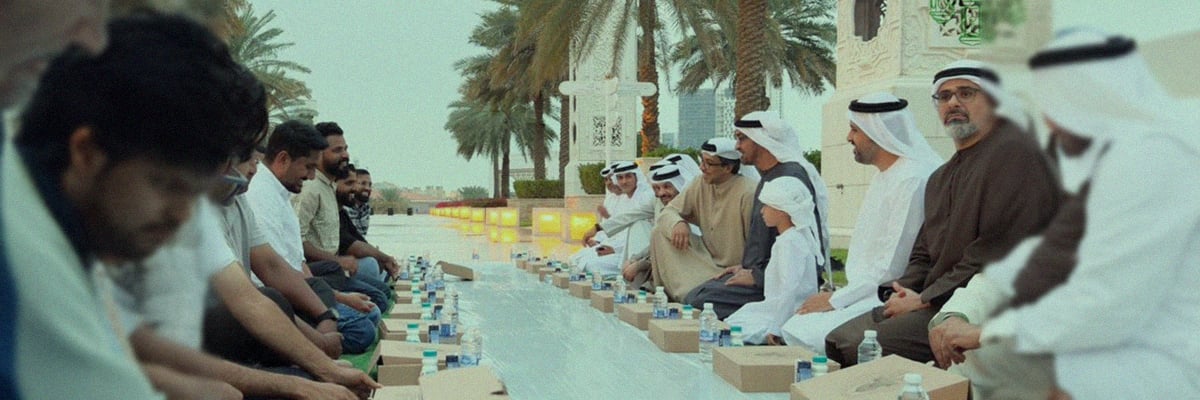

“If a person bathes five times a day in a river flowing through his doorstep, will there be any dirt left on his body?” The Prophet ﷺ once asked his companions. They unanimously replied, “No, O Prophet!” The Prophet ﷺ responded, “Similarly, the five daily acts of worship (prayers) cleanse a person from sins.”
Salah is an act where a servant and their Master come together. It is the greatest joy a believer can experience. In the presence of the Divine, a person forgets everything and transcends into spiritual joy. By purifying the body and soul, the believer turns towards the Kaaba, returns the body to Allah, and with the declaration that Allah is the Greatest, they focus entirely on Allah, leaving everything else behind. Thus, through worship, one purifies the arrogance, pride, and worldly distractions from the heart. By humbling themselves, bowing their face towards the earth in the presence of Allah, a person experiences the serenity of peace at the shores of eternal tranquility. Immersed in the sea of Divine proximity, the worshipper, with full awareness of Allah’s presence, greets Allah in the Tahiyyat prayer. This is what the Prophets ﷺ have said: “My joy is in my prayer.”
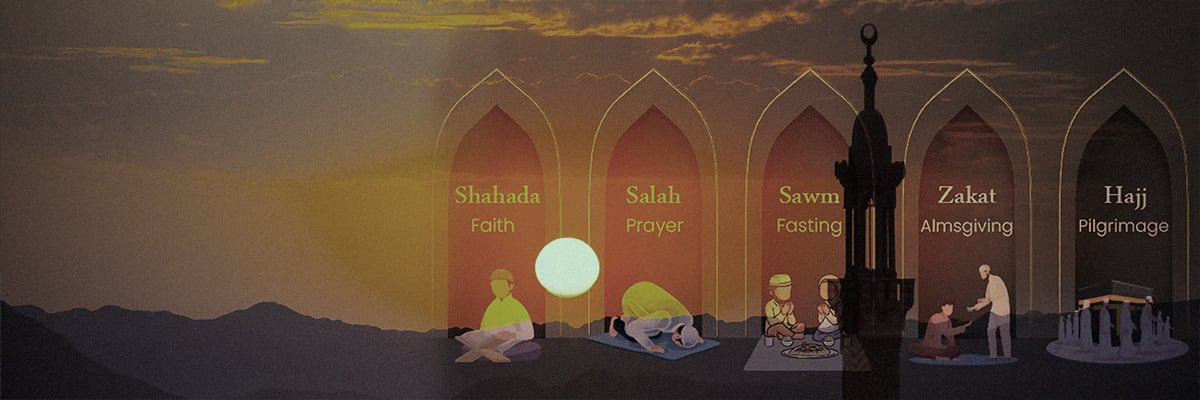
Salah is the most important physical act of devotion in Islam. With the acceptance of Islam, worship becomes obligatory. It forms the identity of a Muslim. The Prophet ﷺ said, “The difference between us and the unbelievers is the abandonment of prayer.” Worship holds precedence in the Hereafter as well. On the Day of Judgment, the first act for which a person will be judged is related to their worship. Five times a day, it is obligatory to perform worship.
Worship is the second pillar of Islam. For a person to be a complete Muslim, this pillar must be upheld. No one should neglect prayer willingly. A person who neglects worship will not be valued in Islam, and according to religious law, they will face severe punishment for abandoning this duty.
Obligatory Prayer for Certain People
Every Muslim who has reached the age of maturity, is mentally sound, and is ritually pure must perform the five daily prayers. The age of maturity in Islam is considered to be 15 years old, according to the lunar calendar. Before reaching this age, if a boy has experienced nocturnal emissions or a girl has started menstruating, they are considered mature.
Children, mentally ill individuals, non-believers, those experiencing menstruation or postpartum bleeding are exempt from performing worship. If someone becomes a Muslim after being a non-believer, they are not required to perform the past acts of worship, as their previous sins are forgiven by Allah.
Entering Islam is a precious moment in the life of an unbeliever. It is a moment of sincere faith and testimony, a declaration of ‘Shahada.’ With the realization of the truth, leaving polytheism and impurities behind, one turns towards the worship of Allah alone. At that moment, all their previous sins are forgiven, and they enter a life of purity and spiritual renewal with a clear heart.
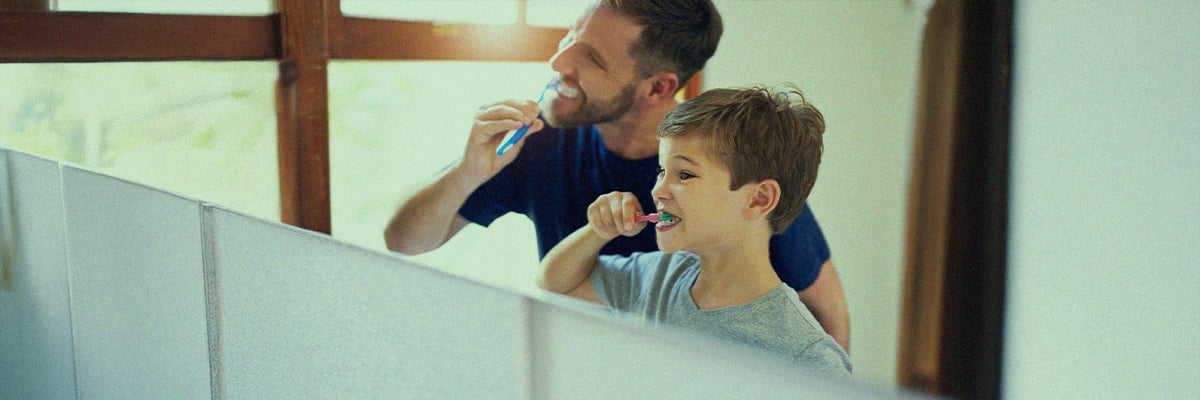
However, if a person who was once a Muslim leaves Islam and later returns, they must perform the missed prayers and fasts from the time they left Islam. A mentally ill person is not obligated to perform prayers, as indicated by the Prophet ﷺ, nor is someone who has lost their senses due to intoxication or other causes. However, if these conditions were due to personal actions, after recovery, they must perform the missed prayers. While children are not obligated to perform the prayers, they should be encouraged to practice from an early age.
Recovering Missed Prayers (Qada)
When a person misses a prayer and performs it after its designated time has passed, it is called Qada. All missed prayers must be made up. The missed prayer is considered more important than the subsequent prayer. Those who have neglected prayers for a long period and later start performing them are obliged to make up for all the missed prayers.