
The vast, golden expanse of the desert often held secrets—stories of destiny interwoven with sand and stars. Among them is the tale of Surāqah ibn Mālik, a simple Bedouin who found himself at the crossroads of divine prophecy and the ambitions of empires.
A Dangerous Pursuit
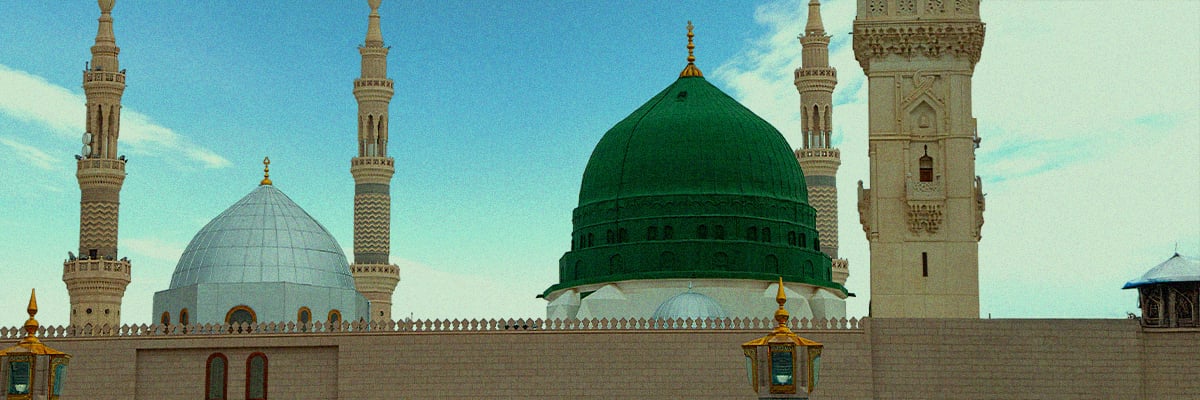
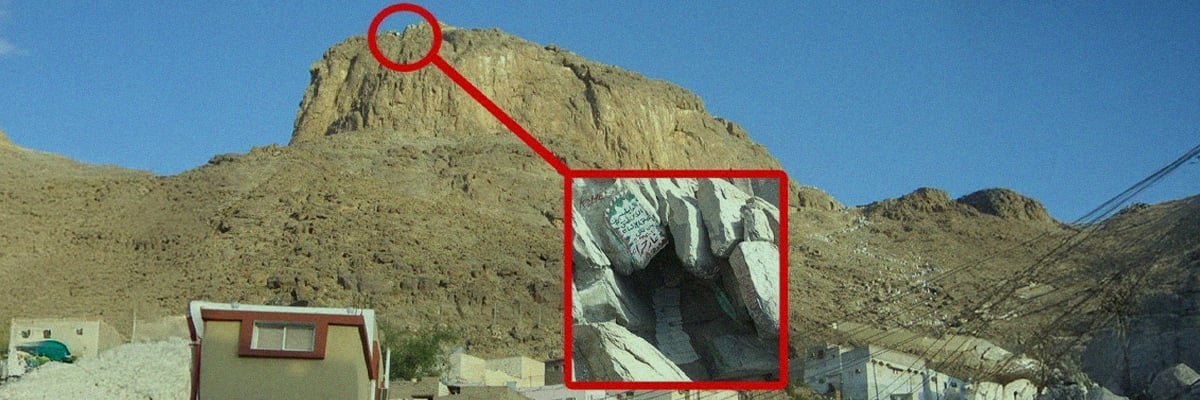
It was the still of night when the Quraysh's announcement rippled through Mecca: “A hundred camels for the one who captures Muhammad, dead or alive!” The Prophet ﷺ, alongside his companion Abu Bakr (RA), had slipped away under the cover of darkness, embarking on the historic migration to Medina.
Surāqah, skilled in tracking and lured by the reward, readied his horse and weapons. His mind raced with thoughts of wealth and glory. The idea of catching the fugitive Prophet ﷺ seemed straightforward—until his journey turned into something far beyond his understanding.
As he galloped across the desert, he spotted faint figures in the distance. His target was in sight. But just as he closed in, an eerie phenomenon occurred. The ground beneath his horse trembled, and before he could react, the horse's legs sank into the shifting sands. No matter how hard Surāqah tried to urge it forward, the earth clung tightly.
For the first time, doubt crept into his heart. He called out, “Muhammad! Pray to your Lord to free me, and I promise I will not harm you!”
The Prophet ﷺ, calm in the face of danger, raised his hands in prayer. Instantly, the sands released their grip, and Surāqah’s horse stumbled free. Yet, greed gnawed at him. The thought of 100 camels was hard to resist. He tried again. And again. Each time, the ground swallowed his horse, deeper than before. Each time, he pleaded with the Prophet ﷺ, and each time, he was saved by the Prophet’s ﷺ supplication.
Finally, exhausted and defeated, Surāqah dismounted and approached. His demeanor had shifted entirely. No longer the hunter seeking a bounty, Suraqah was now a man grappling with forces far beyond his comprehension. Awestruck by the Prophet's ﷺ calm authority and the divine intervention that had thwarted his every attempt, he dismounted from his horse and approached with trembling reverence.
“Grant me a document of protection,” he implored, his voice laced with desperation. “I know that your religion will prevail, and I seek your assurance that when that time comes, I will be safe.”
The Prophet ﷺ, always merciful and magnanimous, instructed Abu Bakr (RA) to write a guarantee of protection for Suraqah. As the parchment was handed to him, Suraqah held it tightly, his heart a storm of emotions—fear, relief, and awe. It was then that the Prophet ﷺ turned to him and spoke words that would linger in his memory for years to come:
“Suraqah, how will you feel when you wear the bracelets of Kisra?”
The mention of Kisra—the mighty emperor of Persia—was staggering. Suraqah, a Bedouin tracker from the Arabian desert, could hardly fathom such an outcome. “Kisra, son of Hormuz?” he asked incredulously, seeking clarity.
The Prophet ﷺ smiled gently and affirmed, “Yes, Kisra, son of Hormuz.”
The encounter left Suraqah profoundly changed. He turned back, leaving the Prophet ﷺ and Abu Bakr (RA) to continue their journey in peace. He honored his promise, misleading those who sought to capture them, and kept the parchment as a solemn reminder of what he had witnessed.
The Conquest of Makkah
Years passed. Surāqah kept the parchment safe, but the memory of the prophecy lingered, mysterious and unresolved. When the Prophet ﷺ triumphantly entered Makkah years later, Surāqah approached him once more, this time not as an adversary but as a believer. The words about Kisra remained unspoken, yet etched into his soul.
The Fall of an Empire
Time marched forward. The Prophet ﷺ departed this world, leaving behind a legacy that reshaped civilizations. The Muslim community, now united under the leadership of Caliph Umar ibn al-Khattab (RA), grew in strength and influence.
In a historic moment, the Muslim army conquered the Persian Empire. Wealth beyond imagination poured into the treasury of Medina. Among the treasures were the famed bracelets, crown, and belt of Kisra himself. Umar (RA), ever humble, gathered the people in the mosque and recalling the prophecy called for Surāqah.
As the former tracker stood before him, Umar placed Kisra’s regal adornments upon him. The simple Bedouin shepherd turned bounty hunter now stood bedecked in the opulent symbols of one of history’s most powerful emperors.
Umar (RA), tears glistening in his eyes, declared: “Praise be to Allah, who took these treasures from Kisra and gave them to a Bedouin from the desert!” “Allahu Akbar,” Umar declared, and the gathered crowd echoed the takbeer, their voices reverberating through the streets of Madinah. The moment was a powerful reminder of the inevitability of Allah’s will and the profound foresight granted to His Messenger ﷺ.
Tears welled in Suraqah’s eyes too as he marveled at the fulfillment of the Prophet’s ﷺ words, a testament to the divine truth of his mission.
Final Reflections
The story of Surāqah and the countless fulfilled prophecies of the Prophet ﷺ are not merely tales of wonder. They are calls to action. They remind us of the certainty of divine truth and the responsibility we bear as stewards of that knowledge.
As we live in times where the signs of the Hour unfold around us, the question remains: Will we heed these reminders? Will we realign ourselves with the path of faith, preparing for the ultimate reality of the Hereafter?
The crown of Kisra may have rested briefly on a Bedouin’s head, but its message is eternal. Power, wealth, and empires will crumble, but the truth of Allah and His Messenger ﷺ endures forever.