
In the sunlit streets of Makkah, two men—Zayd’s father, Harithah, and his uncle—approached the household of Muhammad, who had not yet received his prophetic mission. Their long and arduous search for Zayd, lost to them years ago, had finally brought them to this moment, their hearts filled with a mix of hope and anticipation.
They addressed him with respect.
“O Muhammad,” Harithah began, “you are from a noble family known for generosity and kindness to the needy. We come seeking our son, Zayd, who is in your care. We are prepared to pay any price you demand to ransom him.”
Muhammad, listening intently, replied with a gesture of compassion that stunned them: “I will not take any payment. Instead, call Zayd and let him decide. If he wishes to go with you, he is free to do so. But if he chooses to stay, I will not forsake someone who has chosen me.”
This response, granting Zayd agency in his destiny, was extraordinary in a society where slaves had no autonomy.
Harithah and his brother agreed, confident that Zayd would choose to return to his family. When Zayd was summoned, he stood before Muhammad and his biological family. Muhammad asked him gently, “Do you know these men?”
Zayd’s eyes welled with recognition. “Yes, they are my father and my uncle.”
Muhammad continued, “You know me as well. Now the choice is yours: if you wish to go with them, you are free to leave. But if you choose to stay with me, I will not forsake someone who chooses me.”
The tension was palpable as everyone awaited Zayd’s response. With a steady voice, Zayd declared, “I will not leave you. To me, you are a father and an uncle.”
Harithah and his brother were taken aback. “Will you choose to remain in servitude rather than return to your family and freedom?” they asked in disbelief.
Zayd replied with heartfelt conviction, “I have seen in him qualities that I have not seen in anyone else. For that, I cannot leave him.”
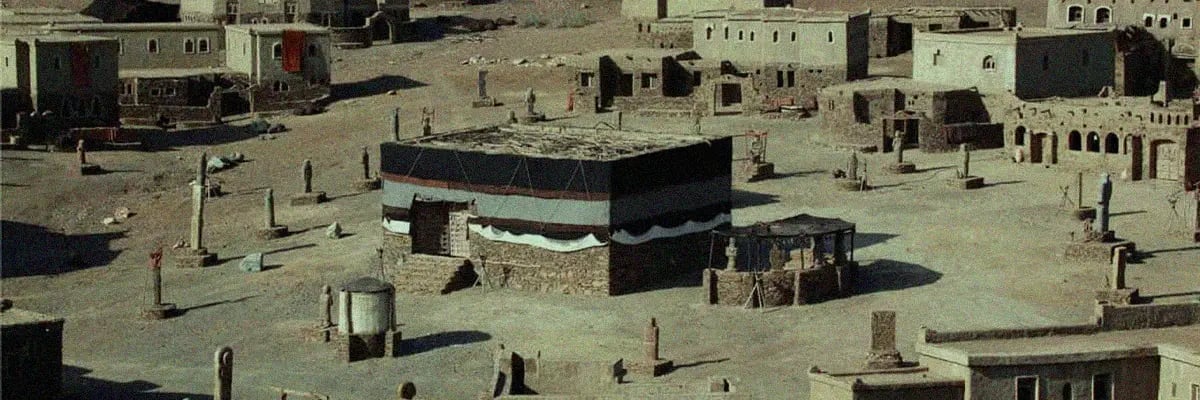
Muhammad, deeply moved by Zayd’s loyalty and love, took him by the hand and led him to the Kaaba. In front of a gathering crowd, he proclaimed, “Bear witness that Zayd is my son. He will inherit from me, and I will inherit from him.”
To understand the depth of Zayd’s loyalty, we must look back at his remarkable journey.
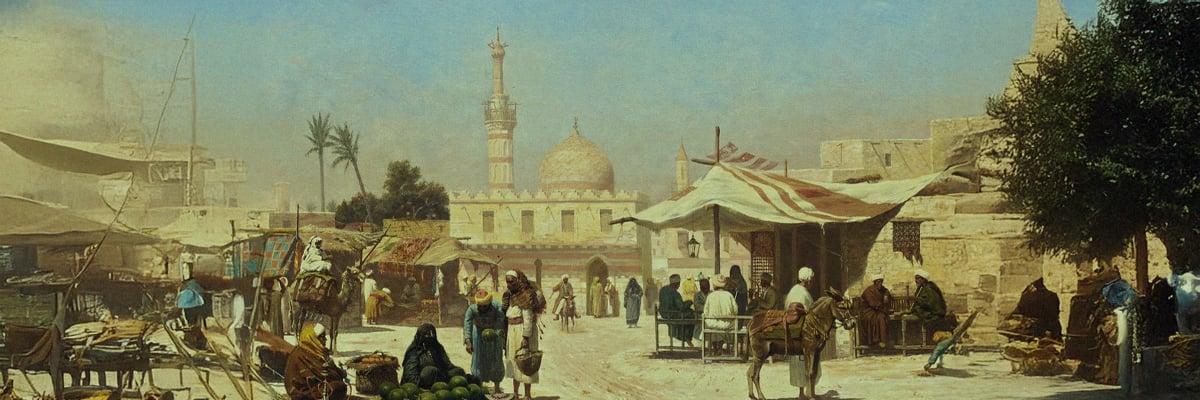
As a young boy, Zayd was captured by raiders during a journey with his mother. Sold in a bustling slave market, he was eventually purchased by Hakim ibn Hizam and gifted to his aunt, Khadijah, upon her marriage to Muhammad. At that time, Muhammad had not yet received revelation, but his character had already earned him the title of Al-Amin—the Trustworthy.
In the Prophet’s household, Zayd experienced something rare and transformative. Unlike the norm of treating slaves as property, Muhammad treated Zayd with kindness, dignity, and love. He became not just a servant but a cherished member of the household. Zayd’s bond with Muhammad grew stronger with each passing day, filling the void of the family he had lost.
Years later, Zayd’s biological father, Harithah, and his uncle traced him to Makkah. They came with the hope of bringing Zayd home, offering to pay any ransom required. But Muhammad did something unprecedented—he placed the choice in Zayd’s hands.
This moment, where Zayd chose to stay with Muhammad over returning to his biological family, was a powerful affirmation of the love and respect he had found in the household of the man who would later become the Messenger of Allah. Even before prophethood, Muhammad’s character had already captivated hearts and set a standard of justice and humanity that would define his life’s mission.
Why would Zayd choose a life with the Muhammad, which others viewed as servitude, over the freedom to live with his parents? The answer lies in the unparalleled beauty of Muhammad’s character even before the prophethood which Zayd experienced firsthand.
Later, the Prophet ﷺ emancipated Zayd, treating him as a beloved foster son. He arranged Zayd’s marriage to the noble and beautiful Zaynab. However, when their marriage faced persistent challenges and dissatisfaction on both sides, the Prophet ﷺ, with Allah’s guidance, allowed their divorce. The Prophet ﷺ had also arranged for Zayd to marry another wife, Umm Ayman, and from that union, their son, Usama, was born.
Zayd’s loyalty and trustworthiness were recognized on the battlefield, where the Prophet ﷺ appointed him as a commander during the Battle of Mu’tah. It was there that Zayd courageously laid down his life as a martyr (radiyallahu 'anhu).
Few years later, when the Roman threat intensified, the Prophet ﷺ prepared a military expedition to confront them. He entrusted the leadership of this army to none other than Zayd’s son, Usama (radiyallahu 'anhu), a decision that demonstrated the Prophet ﷺ’s commitment to merit and equality. did he become martyr in this battle?
Bilal (radiyallahu 'anhu), a former slave, had already set a precedent by being the first to ascend the Kaaba and call the adhan after Makkah’s conquest. Such moments reflected the transformative power of Islam in elevating the once-oppressed to positions of prominence.
During an era when the pathways into slavery were abundant, and the avenues for emancipation were scarce, the Prophet ﷺ worked tirelessly to reduce the causes of bondage and multiply the routes to freedom. His teachings and actions dismantled the oppressive norms of his time, paving the way for a society rooted in dignity and justice.
Before freeing slaves physically, the Prophet ﷺ prioritized liberating them mentally and emotionally. He restored their sense of humanity, teaching them their inherent dignity and worth. He elevated them as individuals, reminding them that they, too, were molded from the same earth as others. He taught that all humans share the same parents—Adam and Hawwa—and that before Allah, all are equal, like the teeth of a comb, with distinction granted only through piety.
The Quran echoed this message of equality:
“O mankind, We have created you from a male and a female and made you into peoples and tribes so that you may know one another. Indeed, the most noble of you in the sight of Allah is the most righteous of you. Indeed, Allah is Knowing and Acquainted.”
(Surah Al-Hujurat: 13)
This principle of universal human unity infused a sense of identity and self-worth in those enslaved. The Prophet ﷺ vocally opposed racial discrimination and stood in solidarity with the marginalized and oppressed.
The wisdom of the Prophet ﷺ’s approach becomes even more evident when contrasted with the history of emancipation in other contexts. The abrupt abolition of slavery in modern America during Abraham Lincoln’s era led to widespread suffering. As historian Jim Downs notes, millions of freed slaves faced starvation and destitution, with many returning to their former masters’ homes out of desperation. Even 150 years after the Emancipation Proclamation, racial discrimination persists, exemplified by the brutal killing of George Floyd under the knee of a police officer, Derek Chauvin.
The Prophet’s Model of Emancipation
In stark contrast, the Prophet ﷺ’s efforts were holistic. He spoke of the rights of slaves and emphasized treating them as equals. He taught masters to see slaves as their brothers, instilling the understanding that all are ultimately slaves of Allah. The Prophet ﷺ instructed that slaves should be fed the same food their masters ate and clothed in the same garments. He forbade burdening them with heavy tasks and encouraged helping them in their work. Furthermore, he discouraged addressing them as “slaves” and instead advised using terms of affection, such as “my companion.”
The Prophet ﷺ’s teachings were more than words; they reshaped societal norms. A master who had wronged his servant was encouraged to seek forgiveness, and addressing a servant as “my friend” became an act of respect, breaking the chains of psychological servitude.
This comprehensive approach to emancipation, which combined physical freedom with mental liberation and social integration, remains a timeless model of justice and dignity.
Lessons for the Derek Chauvins from Abu Dharr al-Ghifari
When the lessons of equality and humanity took root in the hearts of the Prophet’s ﷺ companions, a transformative change unfolded—so much so that the metaphorical image of a black man’s foot rising to meet the face of a white man was not mere defiance but a profound statement of justice and reconciliation.
But the story is more remarkable than a mere reversal of power: it is the story of a master who, in remorse and humility, offered his face to his servant and asked him to tread upon it.
The incident began when Abu Dharr al-Ghifari and his servant were walking together, dressed in identical clothing. Observers, astonished by the sight, questioned him: “Why is your servant dressed the same as you?”
Abu Dharr explained, “Once, I insulted my servant, calling him ‘the son of a black woman.’ When the Prophet ﷺ learned of this, he was angered and admonished me, saying:
‘You still have traces of ignorance (jahiliyya) within you, Abu Dharr. Your servants are your brothers. Allah has placed them under your care, so feed them from what you eat and clothe them as you clothe yourself. Do not burden them with tasks beyond their ability, and if you assign them something difficult, assist them in completing it.’
From that day on, I swore to uphold this command, and I ensure that my servant wears the same clothing I do.”
In another account, when the Prophet ﷺ rebuked Abu Dharr for his hurtful words, the weight of the Prophet’s ﷺ reprimand struck Abu Dharr deeply. Overcome with guilt, he lay on the ground and called his servant to him. With tears in his eyes, he said, “Place your foot on my face so I may atone for my sin against you.”
The servant, moved by the sincerity of his master’s repentance, forgave him. This moment was not one of humiliation but of profound reconciliation, a testament to the transformative power of the Prophet ﷺ’s teachings.
Fourteen hundred years before movements like Black Lives Matter erupted in protest against systemic racism and police brutality, the Prophet ﷺ laid the foundations for a society where even a slave could hold their master accountable. The Prophet ﷺ was not merely a liberator of bodies but a reformer of hearts and minds, creating a world where justice, equality, and mutual respect were non-negotiable.
This narrative underscores the Prophet ﷺ’s unparalleled ability to awaken the conscience of individuals and restructure the very fabric of society, reminding us that true liberation begins in the heart and radiates outward into the world.
In an era when slaves were treated as mere objects—devoid of rights, subjected to cruel experiments, and denied their humanity—the Prophet ﷺ stood as a powerful voice against such oppression. His teachings called for the recognition of slaves as human beings with dignity and rights, and he condemned all forms of abuse against them.
Abu Mas’ud, a companion of the Prophet ﷺ, narrates an incident that changed his life:
“I was once beating my slave with a whip in a fit of anger when suddenly, I heard a commanding voice from behind:
‘Abu Mas’ud, know this.’
Startled, I turned around, still fuming, unsure of who had spoken. As the figure approached, I realized it was none other than the Prophet Muhammad ﷺ himself. His presence immediately calmed my rage, and he repeated with emphasis:
‘Abu Mas’ud, know this: Allah has more power over you than you have over this boy.’
At that moment, the weight of his words struck me deeply. I dropped the whip to the ground, overcome with guilt and shame.
I turned to him and said, ‘O Messenger of Allah, from this moment forward, I will never strike a servant again. I hereby free him for the sake of Allah.’
The Prophet ﷺ, pleased with my decision, replied:
‘If you had not freed him, the Fire would have consumed you.’”
This incident illustrates the moral clarity of the Prophet ﷺ. His words did not merely rebuke Abu Mas’ud but transformed his understanding of power, accountability, and compassion. Through his teachings and actions, the Prophet ﷺ redefined the master-servant relationship, replacing it with one based on mutual respect and divine consciousness.
The Prophet Muhammad ﷺ emphasized that if someone struck their slave, the only acceptable expiation for such an act was to set the slave free. Inspired by this teaching, many of the Prophet’s ﷺ companions took immediate steps to emancipate their slaves.
Mu’awiyah ibn Suwayd narrates an incident from his youth:
“One day, I slapped a young servant in our household. Soon after, I regretted my actions and fled to perform the Dhuhr prayer. My father called for both of us after the prayer and turned to the servant, saying, ‘You may strike him in return for what he did to you.’
The servant, moved by this gesture of justice, forgave me.”
A Lesson in Accountability
Aisha (radiyallahu 'anha) recounts a similar moment:
A man came to the Prophet ﷺ, visibly distressed, and said, “I have two slaves, but they disobey me, deceive me, and disrespect me. In turn, I scold them and hit them. What will be my condition on the Day of Judgment because of this?”
The Prophet ﷺ replied, “Their wrongdoings against you and your punishments toward them will be weighed. If your punishment matches their wrongs, there will be no issue. If your punishment is less than their wrongs, it will be better for you. But if your punishment exceeds their wrongs, the excess will be taken from you as retribution on the Day of Judgment.”
Hearing this, the man was overcome with emotion. He sat down and began to weep.
The Prophet ﷺ recited the verse from the Quran:
“And We will set up the scales of justice for the Day of Resurrection, so no soul will be treated unjustly at all. And if there is even the weight of a mustard seed, We will bring it forth. And sufficient are We as an accountant.”
(Surah Al-Anbiya: 47)
Upon hearing this divine warning, the man declared, “The best solution for both them and me is separation. Bear witness, O Messenger of Allah, that from this day forward, they are all free.”
These stories illustrate the transformative justice of the Prophet ﷺ. Not only did he advocate for the physical freedom of slaves, but he also worked to create a society where accountability, fairness, and compassion guided all human interactions. The companions, inspired by these teachings, chose to free their slaves as acts of repentance and as steps toward a more just and equitable world.
These stories are truly unique to Islamic history, showcasing a profound commitment to justice and humanity. The Prophet Muhammad ﷺ emphasized that no slave should ever be falsely accused of a crime they did not commit. He further warned that anyone who falsely accused their slave of adultery would face the corresponding punishment on the Day of Judgment.
The Prophet ﷺ not only granted slaves their individuality and rights but also created numerous pathways for their emancipation. Among the most significant was the declaration that freeing a slave could serve as a means to secure freedom from Hellfire—the ultimate reward.
THE EMANCIPATIVE SPIRIT
Inspired by these teachings, the companions of the Prophet ﷺ actively pursued the liberation of slaves. They didn’t merely free those under their own care; they also purchased slaves from others solely to set them free. This collective effort resulted in widespread emancipation, driven by the belief in its spiritual reward and moral necessity.
Wealthy companions played a particularly notable role. Abdur-Rahman ibn Awf, one of the richest companions, reportedly freed 30,000 slaves over his lifetime, including 8,000 in a single day. Uthman ibn Affan freed 2,400, and the Prophet ﷺ himself freed 63. Aisha (radiyallahu 'anha) freed 96 slaves, while Abbas freed 70. The list of liberators continued to grow, each inspired by the transformative example of the Prophet ﷺ.
These acts of emancipation were not just individual gestures but part of a broader, systemic effort to dismantle the institution of slavery and restore dignity and equality to all human beings. Through these efforts, Islam established a legacy of justice and compassion that remains an enduring example for humanity.
On Crossing the Steep Path
The Quran teaches that true salvation in the Hereafter requires crossing the steep path (al-‘Aqabah). But what is this steep path? The Quran itself provides the answer:
“And what can make you know what is [breaking through] the steep path? It is the freeing of a slave, or feeding on a day of severe hunger an orphan of near relationship, or a needy person in misery.”
(Surah Al-Balad: 12-16)
Thus, the steep path is an act of profound compassion: freeing a slave, providing for an orphaned relative, or feeding the destitute.
The Prophet ﷺ institutionalized the emancipation of slaves as a form of atonement for various sins. Additionally, he outlawed the abhorrent practice of sexual exploitation of enslaved women. Before these reforms, enslaved women endured immense suffering, forced into sexual servitude with no recourse, and their children were considered the property of the master.
Islam radically transformed these conditions. Laws were established to regulate and eventually dissolve the systemic perpetuation of slavery. Enslaved women could only be in lawful relationships with their masters, and their children were recognized as free and legitimate heirs. Furthermore, upon the master's death, the enslaved mother would also be automatically emancipated.
Through these measures, the generational cycle of slavery was gradually broken. Enslaved individuals and their descendants were integrated into society as free and equal members, reflecting the profound justice and mercy inherent in the teachings of Islam. The steep path, as the Quran envisions, is not just an act of individual piety but a collective movement toward human dignity and social equity.
Islam introduced a groundbreaking legal framework for self-emancipation known as mukataba. This system allowed enslaved individuals to negotiate their freedom by paying an agreed amount to their owners over a specified period. Through this arrangement, the Prophet Muhammad ﷺ empowered slaves to take control of their destinies and stand on their own feet.
Recognizing that not everyone could fulfill such payments, the Prophet ﷺ established multiple mechanisms to assist them. He allocated a share of zakat (charitable alms) specifically for the emancipation of slaves, directed public funds to support their cause, and encouraged wealthy individuals to contribute toward their freedom.
One famous example is Salman al-Farisi, who gained his freedom through mukataba. Although the sum demanded by his owner was substantial, the Prophet ﷺ, as a visionary leader, ensured that the necessary resources were gathered, enabling Salman to break free from the chains of slavery. This systemic approach to emancipation gradually liberated countless individuals, dismantling the institution of slavery step by step.
While Islam systematically worked to reduce and eventually eliminate slavery, certain contexts—like warfare—required pragmatic solutions. In cases where enemy forces enslaved Muslims, the reciprocal option of enslaving captives was seen as a temporary countermeasure, ensuring balance in a world where slavery was a deeply entrenched practice. This realistic approach is likely why the institution of slavery was not entirely abolished through a blanket decree at that time. Instead, Islam laid the groundwork for its eventual dissolution by transforming attitudes and creating pathways for emancipation.
The Prophet’s Final Words
As the Prophet ﷺ lay on his deathbed, facing his final moments, he left his community with two critical pieces of advice. First, he emphasized the importance of prayer, urging them never to neglect it. Second, he reminded them about their responsibilities toward slaves:
“Fear Allah in your treatment of slaves. Fulfill your obligations toward them. Treat them with kindness and justice.”
This final counsel encapsulated the Prophet ﷺ’s lifelong commitment to elevating the oppressed and ensuring their dignity. It serves as an eternal reminder of the profound compassion and justice that defined his mission.