
Human beings often fail to value the gifts they have always known and constantly enjoy. It is not merely an oversight; it is a flaw deeply embedded in human nature. If a pen or a slip of paper falls from our hand, and a stranger—a gentleman—kindly picks it up, we respond with heartfelt gratitude. We bow slightly, clasp our hands to our chest, and say, “Thank you, sir.” Yet, how often do we offer such thanks to those who give us far more?
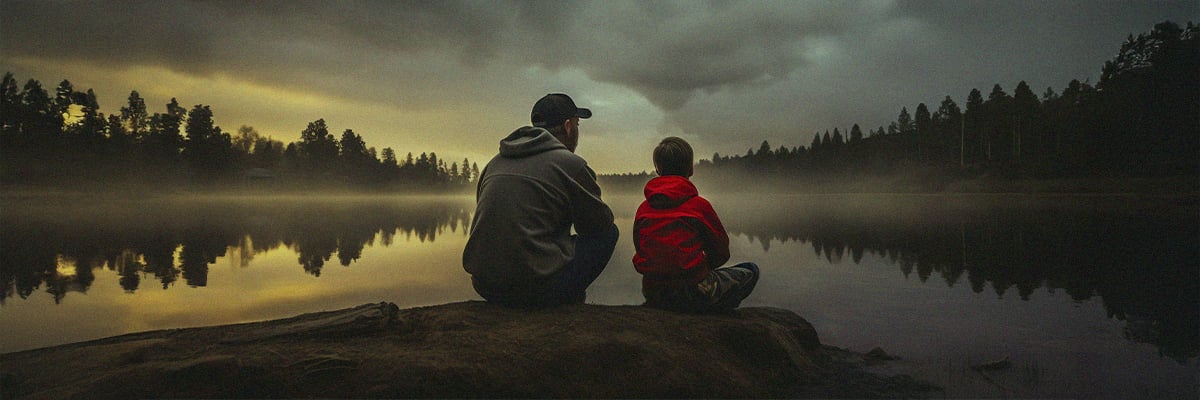
Our parents, since the moment of our birth, have worked tirelessly to provide us with comforts, sacrifices, and care. They endure countless hardships and renounce so much for us. But when was the last time we thanked them sincerely? Do we ever look into their weary faces and say, “Thank you”? Rarely, if ever. It is not indifference, but rather a dangerous habit of taking life’s greatest blessings for granted.
This same blindness extends to the very sources of life’s provisions. From where do they come? Who has arranged them? Holy Quran repeatedly draws human attention to these questions, directing our thoughts toward the origin of the abundance we enjoy. In its verses, Allah reminds us of the many blessings granted to us—not once, but through countless signs scattered across the heavens and the earth.
Gifts That Sustain Life
The blessings mentioned in the Qur’an can be grouped into five categories, each illustrating a vital dimension of human existence. These categories encompass the essentials that sustain life, the resources that anchor our well-being, and the harmonious systems that ensure balance and beauty in the natural world. They point to a world thoughtfully arranged, where every element works in concert to support and enrich our lives. These blessings are not merely functional; they are profound signs of care and generosity, inviting reflection on the deeper realities that underlie the world we inhabit.
- Resources for Sustenance: Fruits, grains, vegetables, and livestock are mentioned repeatedly as sources of nourishment.
“And He created the cattle for you; in them is warmth and other benefits, and from them you eat." (16:5) - Water, the Source of Life: The Qur’an speaks of water as essential to survival, describing its role as both a sustainer and a rejuvenator.
“It is He who sends down rain from the sky, from which comes your drink, and from which grow the trees you use to pasture your animals." (16:10) - The Earth and Its Resources: Fertile lands, mineral-rich mountains, and diverse ecosystems are signs of Allah’s generosity.
“With it (rain), He produces crops, olives, date palms, grapes, and from all kinds of fruits. Indeed, in that is a sign for a people who give thought." (16:11) - Nature and Its Beauty: The balance of the sun, moon, stars, and seasons highlights an intentional arrangement for humanity’s benefit.
“And He subjected for you the night and the day, and the sun and the moon; and the stars are subjected by His command. Indeed, in that are signs for a people who reason." (16:12) - The Human Body and Its Senses: Our intricate physical form and the ability to see, hear, taste, smell, and touch are gifts from Allah.
“It is He who produced for you hearing, vision, and intellect; little are you grateful." (67:23)
These blessings are not abstract; they are as real as the air we breathe and the food we eat. The Qur’an invites us to reflect on them—not with passive gratitude, but with active awareness.
Now, consider the following verses as pathways through a sacred garden, each one a window into the divine arrangement of life’s blessings.
On Livestock:
“And in the cattle is a lesson for you; We give you drink from what is in their bellies, between excretions and blood—pure milk, palatable to those who drink it." (16:66)
On Water:
“And Allah sends down rain from the sky and gives life thereby to the earth after its lifelessness. Indeed, in that is a sign for a people who listen." (16:65)
On Nature’s Cycles:
“He causes the night to enter the day, and He causes the day to enter the night. And He has subjected the sun and the moon, each running its course for a specified term." (35:13)
On Bees and Honey:
“And your Lord inspired the bee, saying, ‘Make your homes in the mountains, in the trees, and in what people construct. Then eat from all the fruits and follow the ways your Lord laid down for you.’ From their bellies comes a drink of varying colors, in which there is healing for people. Indeed, in that is a sign for a people who reflect." (16:68–69)
On Human Relationships:
“And of His signs is that He created for you from yourselves mates that you may find tranquility in them; and He placed between you affection and mercy. Indeed, in that are signs for a people who give thought." (30:21)
Two Roads, One Choice
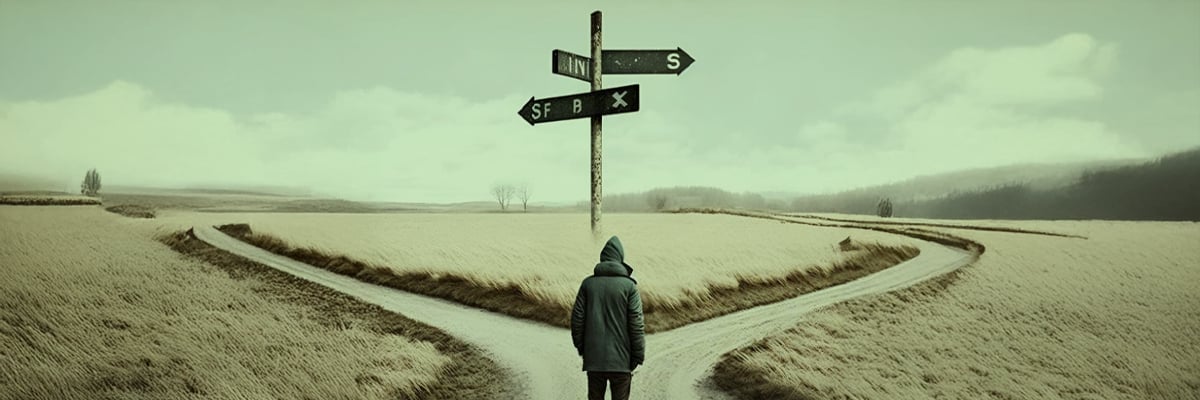
Having presented all these signs—the clear blessings of life—the Qur’an now challenges us and presents life as a choice between two paths. One leads to elevation, fulfillment, and gratitude, while the other descends into neglect, ingratitude, and loss. Allah does not coerce or compel belief. Instead, He provides signs and grants humans the freedom to choose.
“And We showed him the two paths."
Like a traveler standing at a fork in the road, we are free to choose. As Robert Frost wrote, "Two roads diverged in a yellow wood," and so too, our journey is defined by decisions. One path climbs a hill toward a clear view of life’s blessings and responsibilities. The other plunges into a valley of denial and carelessness. The choice is ours, but with choice comes accountability.
A Final Reflection
In conclusion, consider this: beneath a canopy of green, trees stand heavy with fruit, their branches bowing low as if offering their bounty to all who pass. Streams wind their way through the landscape, clear and life-giving, carving paths of abundance. The earth, rich and generous, quietly provides treasures that sustain life, asking nothing in return. This is not a distant fantasy nor a tale from another time; it is the reality we inhabit—a world meticulously arranged to support and nurture us. Each element—the trees, the water, the soil—plays its part with quiet precision, weaving a story of care and abundance that surrounds us every day.
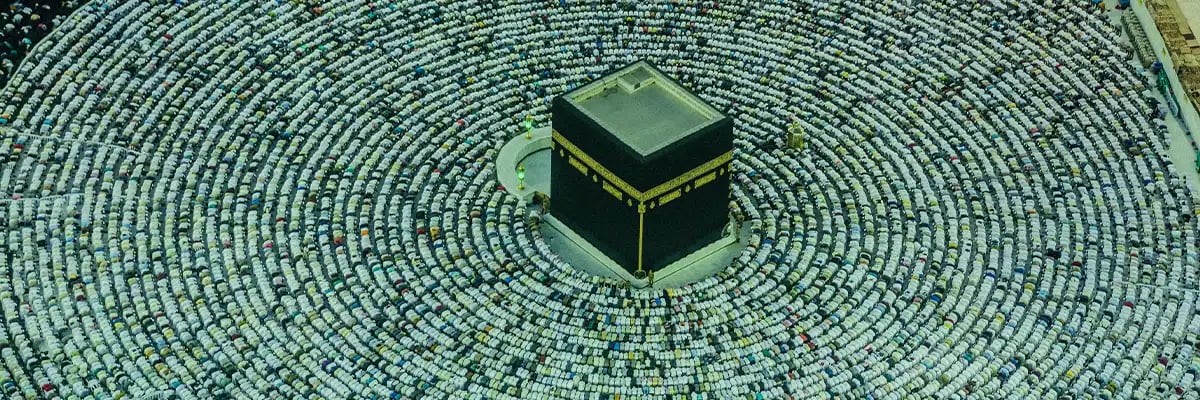
The Holy Qur’an is not merely a text of rules and rituals. It is a remarkable invitation: to open our eyes to the blessings that envelop us, to reflect on the intricacy and generosity of creation, and to awaken the dormant sense of gratitude within us. It does not demand blind adherence but calls us to recognize the signs, to see the Giver behind every gift, and to respond—not with indifference, but with awe, humility, and thankfulness.
As we mentioned earlier, tghe paths have been laid before us, clear and distinct. One leads to fulfillment, gratitude, and a harmonious relationship with the world around us. The other descends into neglect, arrogance, and ingratitude. The choice, as always, is ours to make. And with that choice comes the responsibility to live consciously, to honor the gifts we’ve been given, and to walk with purpose through the abundance that life offers.