
A child with legs can win races, and a person with strong arms can excel at wrestling or climbing. But what about those who lack these abilities? Are they not deserving of opportunities? In his famous work Totto-chan: The Little Girl at the Window, Kobayashi-sensei created special contests for children with unique challenges. His approach affirmed the dignity of every child, regardless of their limitations.
This spirit of inclusion is a central tenet of Islam. It recognizes that human life is unpredictable— fortunes can change in an instant, and hardships can strike without warning. Islam does not impose rigid, one-size-fits-all rules. Instead, it provides a flexible framework that harmonizes with every individual’s circumstance, empowering them to strive for success in ways that are meaningful and achievable.
A Faith That Adapts to Life’s Complexities
Life rarely unfolds on a flat, predictable path. It is a winding journey, marked by inclines, obstacles, and sudden changes in direction. Islam, much like a vehicle equipped with multiple gears, provides the flexibility needed to navigate these varied terrains. Just as a driver shifts gears to match the demands of the road—moving from first to fifth or even reverse—Islam’s teachings adjust to the complexities of human life. Whether one is at a standstill, accelerating, or facing a steep climb, there is always a spiritual “gear” that fits the moment.
In other words, whether in acts of worship, societal obligations, or daily interactions, Islam provides solutions that are both practical and compassionate.
The Final Messenger ﷺ emphasized the importance of active participation in society. He taught that when witnessing injustice, one should first try to correct it physically. “If you see something wrong, stop it with your hand,” he said. This might mean stepping in to break up a fight or protect someone from harm.
But what if physical intervention isn’t possible? The Prophet ﷺ continued, “If you cannot stop it with your hand, then speak out against it with your tongue.” This approach highlights the power of words to bring about change. And if even that is not feasible, he offered a third option: “If you cannot stop it with your tongue, then detest it in your heart.” While this is the least level of engagement, it still signifies a meaningful connection to the moral fabric of society. In these teachings, Islam acknowledges human limitations without compromising on the collective responsibility to strive for justice.
Elasticity in Worship
This remarkableflexibility extends to worship. Take the five daily prayers, a cornerstone of Islamic practice. The ideal way to pray is standing, facing the qibla (direction of Mecca), with physical purity. But Islam makes accommodations for those who cannot meet these conditions. If a person cannot stand, they may pray sitting. If sitting is not possible, they may lie down and pray. Even gestures suffice when physical movement is beyond one’s capacity, and when all else fails, prayer can be performed in the heart.
Similarly, fasting during Ramadan demonstrates this adaptability. While fasting from dawn to dusk is a spiritual obligation, Islam exempts those for whom it would cause undue hardship, such as pregnant women, nursing mothers, and the severely ill. These individuals can make up their fasts later or feed the poor as an alternative. The emphasis is on preserving well-being while maintaining a connection to faith.
Compassionate Jurisprudence
Islamic teachings are filled with examples of how compassion shapes its legal framework. Consider the story of a man who broke his fast during Ramadan by being intimate with his wife. He approached the Prophet ﷺ, distraught and remorseful, saying, “I am ruined, O Messenger of Allah!” The Prophet ﷺ prescribed acts of atonement, such as freeing a slave, fasting for 60 consecutive days, or feeding 60 poor people. The man admitted he could not afford any of these. Smiling, the Prophet ﷺ handed him a basket of dates and said, “Give these in charity.” The man replied, “There is no one poorer than my family.” The Prophet ﷺ, with a gentle laugh, said, “Then feed your family with it.”
This story encapsulates the human-centric nature of Islamic jurisprudence. It balances accountability with compassion, ensuring that religious obligations do not become unbearable burdens.
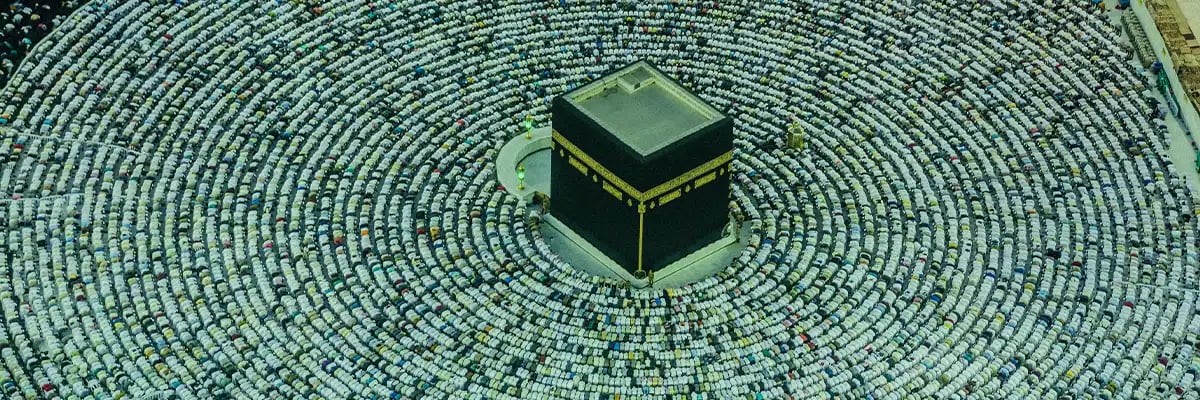
The pilgrimage to Mecca (Hajj) is one of Islam’s most sacred duties, yet it is only required of those who are physically and financially able. The Qur’an explicitly states, “Pilgrimage is a duty owed to Allah by those who can manage it” (3:97). Similarly, in marriage, Islam emphasizes readiness—both financial and emotional—to ensure that it becomes a source of mutual support, not hardship.
The Qur’an’s acknowledgment of human diversity extends to other roles as well. It declares, “There is no blame on the blind, nor on the lame, nor on the sick” (24:61), affirming that societal responsibilities should be tailored to individual capacities. This principle ensures inclusivity while maintaining fairness.
A Universal Ethos
At its heart, Islam aligns with human nature, embracing the complexities and unpredictabilities of life. It offers a way of life that is practical, compassionate, and deeply connected to the human experience. From acts of worship to societal engagement, Islam’s framework is designed to empower individuals to navigate challenges with dignity and hope.
The teachings of Islam resonate across boundaries of culture and belief, offering a model of life that values adaptability without compromising principles. Whether you are a person of faith or someone simply seeking a system of meaning and balance, the message of Islam invites you to reflect on its deep harmony with the human condition.
It is this adaptability- —at once universal and timeless, rooted in compassion and understanding, that makes Islam a faith of ease—a path that accommodates, uplifts, and includes all.