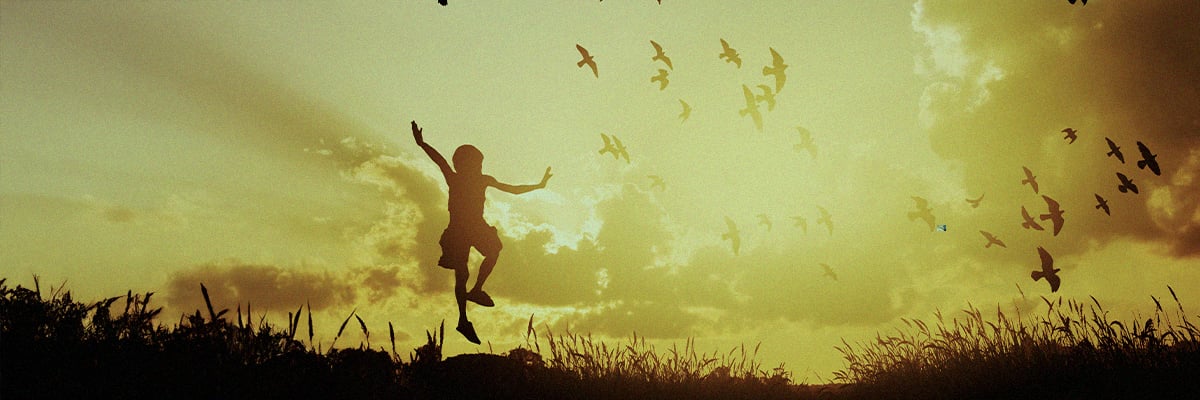

The sun rises in the east without hesitation, day after day, and the moon’s soft glow lights the night without fail. These rhythms, so predictable that we scarcely pause to think about them, reflect an order far beyond our control—and a reminder of our fragile finitude. Yet, in our age of immense technological prowess, there is a creeping arrogance that makes us question not just how these things happen but why they should follow this order at all, as though we could transcend the very limits that define our existence.
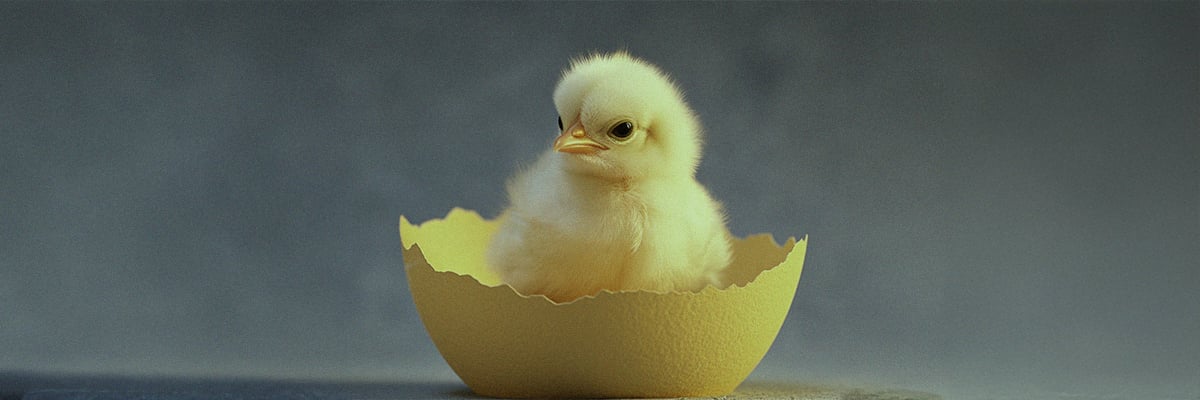
This questioning isn’t new. Throughout history, human beings have wrestled with the boundaries of their power, challenging not only the forces of nature but also the One who governs them. The Islamic tradition, like others, speaks to this tension. The Qur'an declares: "It is He who forms you in the womb as He wills" (3:6). There is an implicit humility here: our very existence is not ours to determine. We do not choose when we are born, to whom, or under what circumstances. These decisions precede us, reminding us of our place in a reality larger than our own desires.
Yet, this humility often clashes with the modern impulse for autonomy. Why must the sun rise in the east? Why do cows give milk, trees bear fruit, and oceans divide continents? Why does life follow such an unyielding rhythm? There is a temptation to rebel against the very idea of an ultimate authority, to frame every aspect of existence as a puzzle to solve or a system to challenge.
But pause for a moment. If we were to take up this challenge, could we command the sun to rise in the west? Could we halt the spinning of the earth? Could we make milk flow from stones or replace the vast oceans with endless fields? Even if we mustered all the scientific knowledge and technological might at our disposal, could we truly reshape the world in a way that matches the balance we so often take for granted?
The Qur'an poses these questions not to diminish inquiry but to provoke reflection. It reminds us: "None can question His actions, but they will be questioned about theirs" (21:23). This isn’t a dismissal of curiosity but a call to recognize the limits of human power. It shifts the focus from rebellion to responsibility, from asking “Why does this happen?” to “What is my role within this system?”
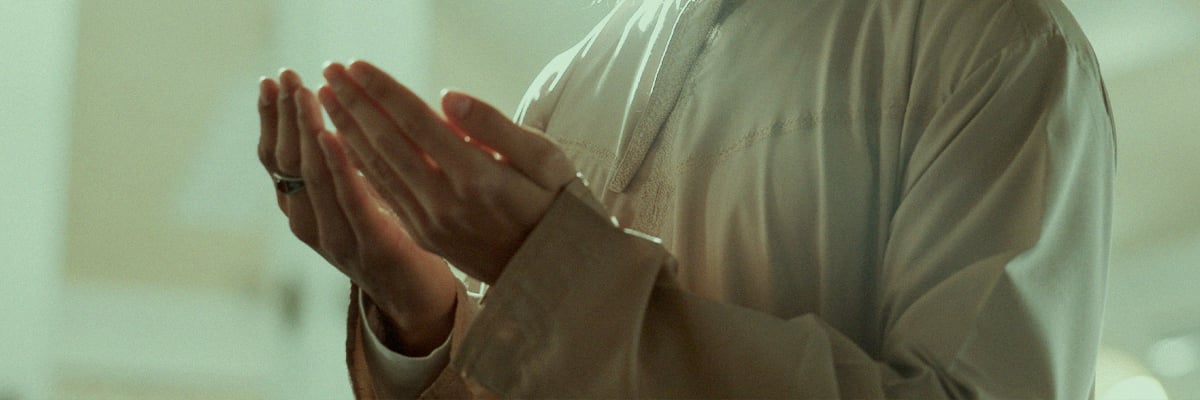
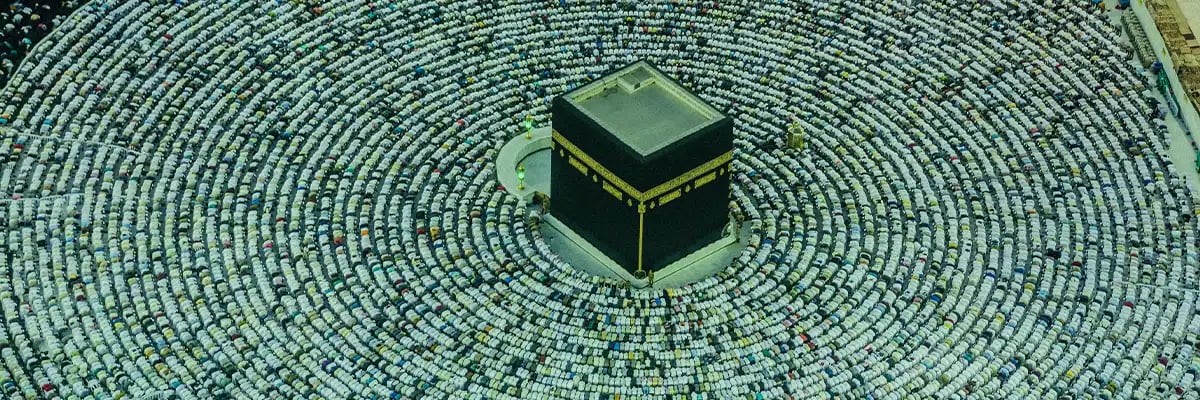
The Islamic worldview centers on harmony with divine order. Submission to God’s will (tawhid) isn’t about blind obedience but about aligning oneself with a design that transcends human understanding. It’s about recognizing that the Creator, who brings forth life from nothingness, who sets the stars in their courses, and who molds us in the womb, does so with wisdom beyond our grasp.
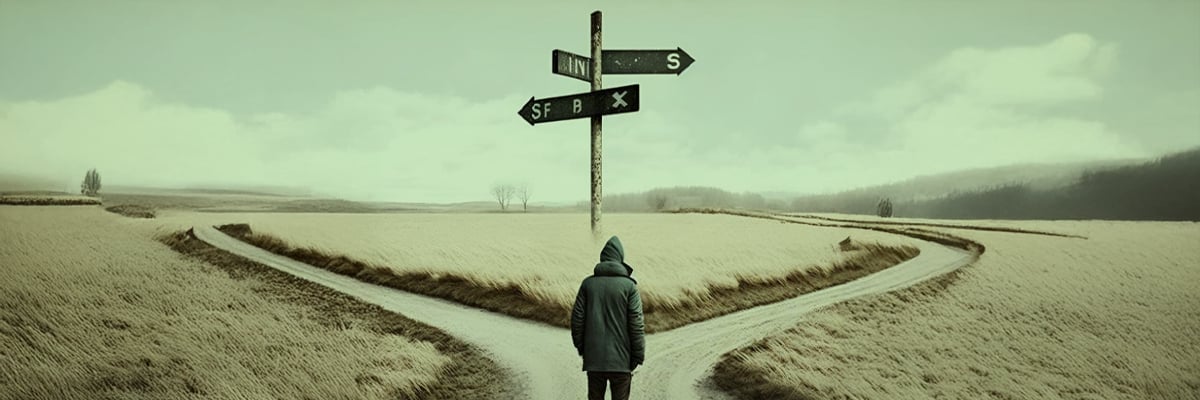
This doesn’t mean resigning oneself to fate. On the contrary, it is an invitation to act purposefully within the framework we have been given. While we may not command the cosmos, we are entrusted with choices—choices that shape the world we inhabit. In a universe where so much is beyond our control, our ability to respond with humility, gratitude, and justice becomes all the more significant.
To question divine will from a place of arrogance leads nowhere. But to reflect on it with a sense of awe can open the door to profound insight. The sun will rise, the earth will spin, and time will march on. These rhythms are beyond us. What remains within our power is how we live within them—whether we resist the flow or find our place within the harmony of creation.
And perhaps this is the truest measure of human strength: not the ability to challenge the will of the Creator but the courage to embrace it. For in that embrace lies the possibility of transcendence, a recognition of our fragile finitude, and the grace to rise beyond mere existence, discovering a deeper connection with the eternal.