
There was a time when life in the campus was a festival of carefree indulgence. Rules were mere suggestions, and freedom seemed infinite. Want to skip class? Fine, no one kept count. Assignments? A simple copy-paste would suffice. A seminar hall could transform into a stadium of cheers, and the exam hall? A collaborative theater of whispered answers. Dress codes were ignored with impunity; one could show up in flip-flops or even Bermuda shorts. Late nights at the campus were more of a norm than an exception.
Festivals were grand, tours felt like honeymoon trips, and college was a playground. Life was unshackled, messy, and full of color. Then, everything changed.
A new principal arrived—a person of impeccable credentials and a vision of reform. With them came structure, order, and an unyielding rigor. Chaos was replaced by precision. Attendance was tracked, and arriving five minutes late meant losing half a day’s credit. Uniforms became mandatory, grooming standards were enforced, and leaves required formal letters. Rules, once loose as sand, turned into steel chains.
The free-spirited students rebelled at first. They detested the strict discipline, cursed the principal, and sought loopholes to break the rules. They lamented the loss of their carefree lives, where every whim had once been indulged. But something curious began to happen.
The same students who had once floated aimlessly began to shine. Mediocrity faded, and excellence emerged. Assignments became polished pieces of work. Projects gained depth and clarity. Debates, workshops, and study sessions replaced idle chatter. The once lazy learners now graduated as individuals equipped with knowledge, skills, and a sense of responsibility. They soared in universities, institutions, and companies, their disciplined foundation acting as wings.
Freedom without boundaries, it turns out, is an illusion. True growth requires discipline—restraints that sharpen the mind and strengthen the will.
THE PARADOX OF CONTROL
Humans, by nature, resist control. The body and mind crave indulgence, unbridled pleasure, and endless comfort. But life, as we know, doesn’t allow for such indulgence.
Imagine the pleasure of snuggling under a warm blanket on a cold night. Yet, when the alarm rings at midnight, we tear ourselves away to catch an early morning flight or cram for an exam. Why? Because missing the flight means losing an opportunity. Neglecting to study risks failing the test. We endure discomfort for a greater purpose.
Consider the banquet table overflowing with delicacies—roasted lamb, spicy curries, sweet puddings, and luscious cakes. But the man sitting at the table politely declines. Not because he doesn’t enjoy these treats, but because his health demands restraint. High blood pressure, cholesterol, and diabetes have taught him that indulgence today brings pain tomorrow.
Life often asks us to sacrifice short-term pleasures for long-term gains. Discipline isn’t the enemy of joy—it’s the guardian of sustainability.
WHY WE RESIST RULES
Rules and restrictions often feel burdensome, and we find ourselves complaining about them in every aspect of life. In the workplace, we’re required to keep our hard-earned money in the bank, limiting immediate access. On the roads, traffic regulations dictate how fast we can drive and where we can cross. At home, children cry in protest when we stop them from eating too many sweets or playing in the rain, yet we step in—not to suppress their joy but to shield them from harm.
Restrictions, in truth, are not born of tyranny but of wisdom. A child cannot see the cavities lurking in candy or the chill brewing in raindrops. Adults, acting from a place of care and foresight, impose these limits not to stifle freedom but to safeguard well-being. Rules, however inconvenient they may seem, are the invisible scaffolds that protect and preserve life. Yet, when it comes to religion, many resist with fervor.
RELIGION AS DISCIPLINE
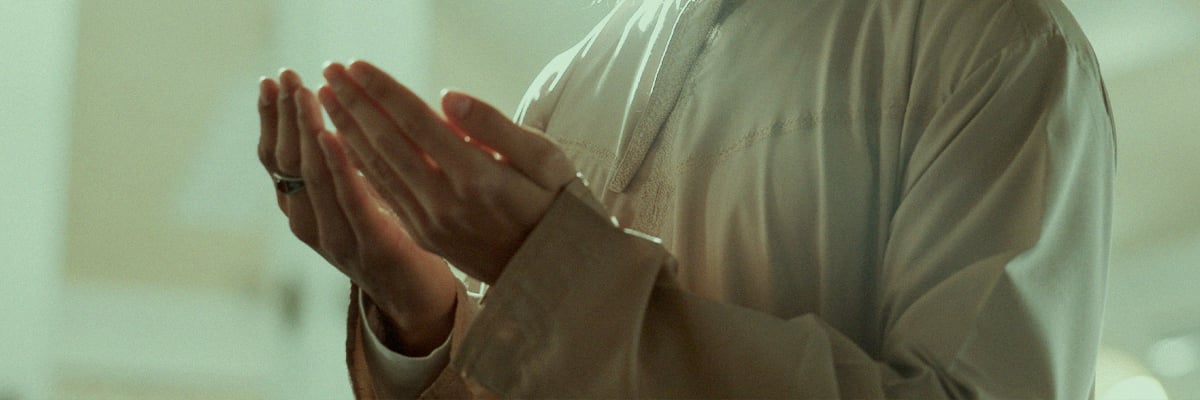
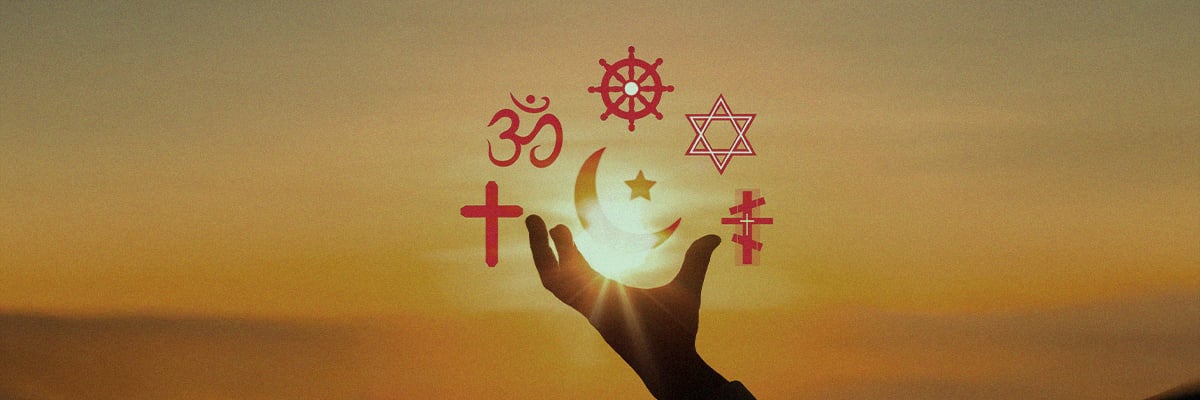
Religion, at its core, is a guide—a framework for human flourishing. It teaches us to rise before dawn, resist greed, and master our desires.
Modern society often misinterprets religious discipline as oppression. Critics question why religion should dictate what we eat, drink, or do, arguing that such guidance infringes on personal freedom. Yet, consider this: we willingly set alarms for flights and exams, recognizing their importance—so why not for prayer? We follow diets to maintain health, accepting short-term restraint for long-term well-being—so why not abstain from usury out of ethical commitment? We trust science when it warns us of the harm in excessive sugar—so why not trust faith when it cautions against the dangers of intoxication?
Religion does not confine us; it liberates us. It frees us from the chaos of unrestrained indulgence and the pitfalls of self-destruction. By replacing fleeting whims with enduring wisdom, religion offers not restriction but the path to lasting peace.
FREEDOM THROUGH DISCIPLINE
True freedom isn’t the absence of rules—it’s the ability to live meaningfully within them. A river without banks becomes a flood. A life without discipline becomes a mess.
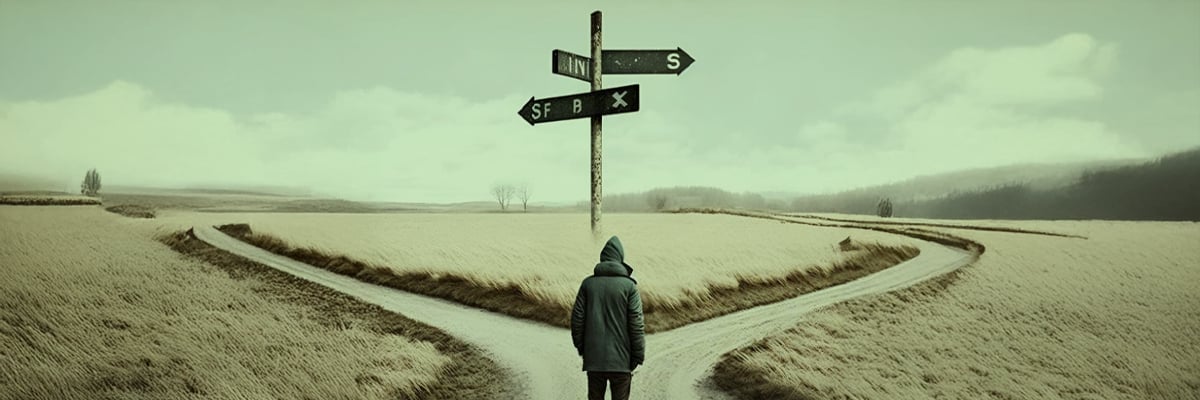
Next time you bristle at the idea of restraint, pause and reflect: What kind of life do you want to lead? One of fleeting indulgence or enduring purpose?
The choice is yours, and every choice has a cost. Will you pay it today for a brighter tomorrow, or will you let tomorrow pay the price of today’s indulgence/