
Everyone desires to live as they please—free, unrestricted, and bound only by their whims. In this, animals are our perfect examples. They live entirely by instinct. A cow grazing in the fields or a goat wandering the streets never pauses to consider what it eats. Is it theirs? Is it stolen? Rotten? Clean? Even garbage, smeared with filth, is fair game. For them, hunger is the only law.
But we are not cattle. If we were creatures of mere flesh and instinct, perhaps we too would live as they do—devouring whatever we find, indulging every urge, and seeking comfort without care for consequences. Yet, unlike animals, humans are endowed with reason, morality, and culture. We are meant for more.
Living as we please is the easiest path. It requires no intellect, no effort, no sacrifice. Like water flowing downhill, it is natural to succumb to the call of desire. But what separates us from animals is our capacity to rise above it. To eat not what we can but what we should. To act not out of impulse but out of wisdom.
THE HUMAN BODY AS A METAPHOR
Consider the food we eat. A goat will consume anything in sight, but can a diabetic human do the same? Can someone with high blood pressure gorge on salt and sugar without consequence? We know better. Our bodies demand discipline. Food, though a necessity, must be measured—tailored to our health, age, and condition.
Animals have no such struggle. They are governed by nature. But humans? We must choose restraint, for without it, the body suffers.
Take pleasure and indulgence. A fleeting escape into intoxication feels liberating for a moment, but at what cost? The smoker knows the price he pays—his lungs blackened; his life shortened. Even the cigarette packet bears the gruesome warning: "Injurious to Health." It’s a truth we cannot escape, no matter how loudly we deny it.
The same applies to unrestrained sexuality. Unchecked desires might offer momentary satisfaction, but they destroy lives. Addictions to vice—alcohol, drugs, infidelity—leave trails of broken families, shattered health, and scarred children. A man who returns home drunk may laugh in his stupor, but his family carries the weight of his shame. A child watching their father humiliate their mother learns a bitter lesson in hatred.
Freedom without morality is chaos. The family breaks, society suffers, and the individual loses all dignity.
DISCIPLINE AND THE ROLE OF RELIGION
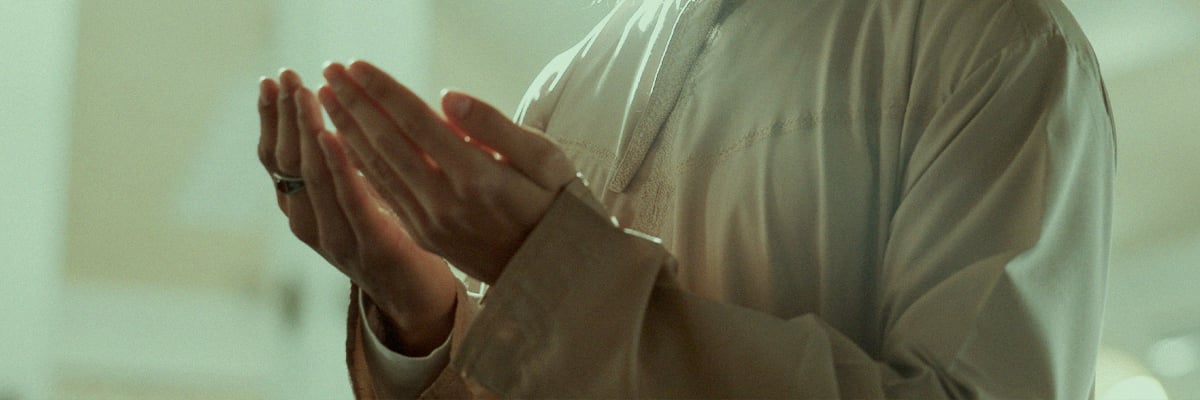
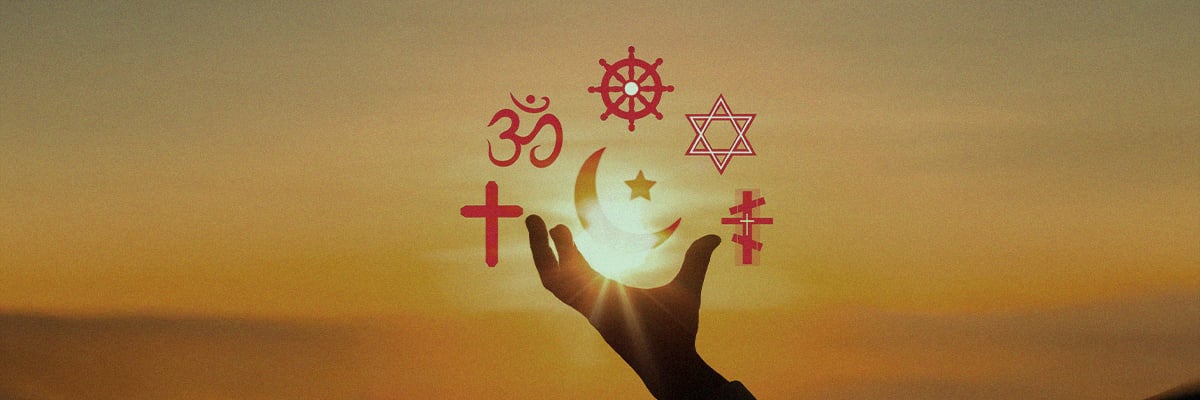
To live a dignified life, humans need rules. Just as traffic laws protect us on the road, religion is a moral code that safeguards the soul. Religion isn’t an external authority shackling freedom; it is a self-imposed discipline that elevates us beyond our basest instincts.
Think of a simple act like wearing a seatbelt. Do we buckle up because we love it? No. We do it to protect ourselves, not out of fear of a fine but out of respect for life. Likewise, morality requires us to restrain ourselves—not because a court demands it but because we know it’s right.
Imagine a drought-stricken home with a single bucket of water. Will you waste it to wash your feet while your neighbors thirst? The law does not stop you, but your conscience should. Religion is that inner voice. It is the guide that whispers: "Give before you take. Sacrifice before you indulge. Live not for yourself alone but for the world around you. There is always something greater than yourself."
Religion is not merely a set of prohibitions; it is a comprehensive blueprint for a life well-lived. Yes, it is demanding. Yes, it requires sacrifice. But so does every meaningful pursuit. No pain, no gain, we say.
The Prophet ﷺ taught us this timeless truth: "Paradise is surrounded by hardships, and Hell is surrounded by desires."
The path to virtue is uphill, strewn with challenges. The road to ruin is easy, paved with indulgence.
THE PARADOX OF FREEDOM
Freedom is not the absence of rules; it is the presence of discipline. To live as we please is to fall back into the chaos of instinct. To live by higher principles is to honor what makes us human.
Think of the athlete who wakes at dawn to train, sacrificing sleep and comfort for victory. Or the student who resists distractions to master a subject. The body resists, but the spirit pushes forward.
Religion calls us to do the same. It asks us to rise above our whims and embrace a higher purpose. It polices not with external force but with internal clarity—guiding us toward health, justice, and harmony.
THE CHOICE
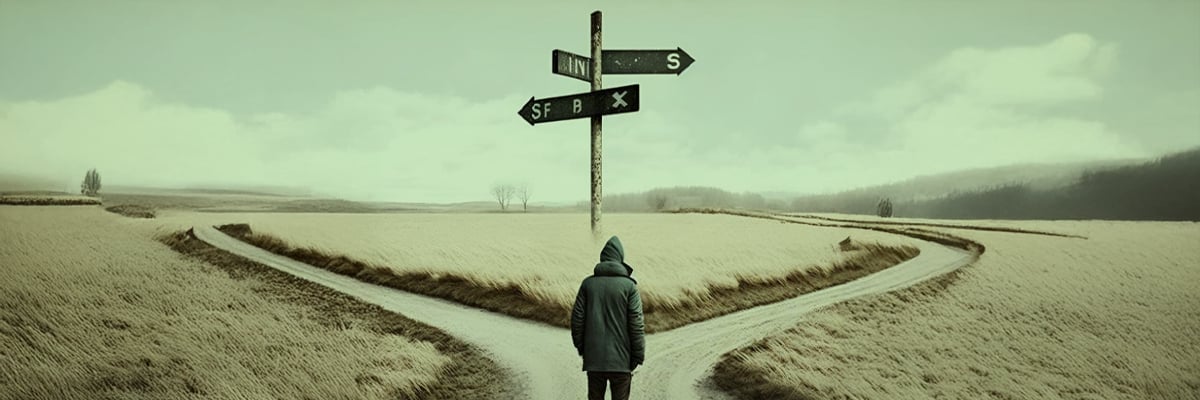
In the end, the choice is ours. We can live like animals—unthinking, unrestricted, and indifferent to consequences. Or we can live like humans—noble, disciplined, and striving for something greater. As the Qur’an reminds us: “And have We not shown him the two ways?” (90:10). These two paths—of goodness and purpose, or chaos and vice—are laid before us, waiting for our decision.
To dismiss religion as mere restriction is to miss its beauty. It does not chain us; it sets us free. Free from addiction, free from chaos, and free to live a life of purpose.
The path is not easy, but it is worth it. For through discipline comes greatness. Through morality comes peace. And through sacrifice comes salvation. Choose to rise. Choose to be human.