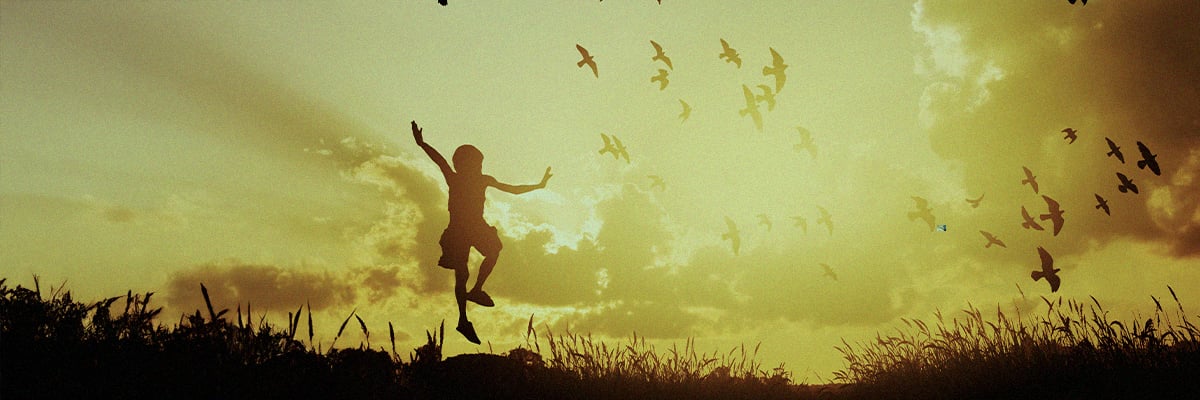

Can everyone, everywhere, truly believe? It’s a question that lingers in the heart, inviting us to pause and imagine—a world where peace is not just an ideal but a living, breathing reality woven into every corner of life.
Close your eyes for a moment and picture this place. The people are of one heart, one thought, living without envy or arrogance. Their homes, though modest, are identical in size and design, each one a reflection of harmony. Their doors are always open—there are no gates, no walls. In this land, such barriers are unnecessary. There is no sickness here. The very idea of disease is alien, whispered only as a relic of some forgotten past. The fields bloom effortlessly. Seeds are scattered into the soil, and the earth takes over, nurturing them to harvest without interference. No pests threaten the crops. No pesticides poison the soil.
It sounds too good to be true, doesn’t it? The faintest smile of disbelief might already be curling at the corners of your lips. A perfect world? Impossible, you might say. Utopia, if it exists at all, is no more than a dream, a fanciful escape from the rawness of reality.
But let me ask you this: Have you ever wondered why our world isn’t like this? Why, instead of harmony, we see division? Why, instead of unity, there’s conflict? Why, when a message of peace is sent, it divides people—some accepting it with open hearts, while others reject it with clenched fists? Why do human beings, entrusted with reason and compassion, wage wars, spill blood, and sow chaos?
Couldn’t God, if He wills, have simply revealed His message in a way that no one could reject, ensuring everyone lived as believers, bound by a shared understanding and obedience? Couldn’t He have eliminated doubt, strife, and the shadow of disbelief? Couldn’t He have made all of humanity live in paradise on earth?
These are questions that tug at the human heart. They compel us to pause and think, though they resist easy answers. And perhaps that’s the point.
Look around, not at scripture or sermons for now, but at the world we inhabit—the crops we plant, the food we eat, the air we breathe. The fruits and vegetables on our tables, brimming with color and promise, often hide traces of poison. Pesticides, sprayed to protect crops from pests, seep into our food. But why are these pests here in the first place? What purpose do they serve? Who set this chain in motion, where the struggle for survival scars even the soil?
Consider the diseases that haunt us. Hospitals overflow with patients, victims of invisible microbes that strike without warning. Why do these pathogens exist? Why does nature, so breathtaking in its beauty, harbor these hidden threats? Who decided that these enemies of life should roam freely in the world?
It’s easy to feel overwhelmed by these questions. The universe, for all its magnificence, guards its secrets tightly. And yet, amidst the vast unknown, one truth is undeniable: humans, despite their frailties, were not made to live passively. We were given the tools to think, to reason, and to strive—even against the shadows within and around us.
But let’s shift the lens inward, toward ourselves. Human history is a vast embroidery stained with conflict. Wars, massacres, greed, envy, vengeance—these aren’t the acts of some external force. They are born of human hearts, consumed by arrogance and blinded by hatred. Even in a world overflowing with beauty—rainbows, rivers, and blossoms—human beings often choose destruction over delight. Why do we carry such darkness within us?
Why did the Creator, who sculpted us with such precision and grace, allow these thorns to take root in our hearts? Why did He create a world where joy is mingled with sorrow, where paths to peace wind through valleys of struggle?
The Quran speaks of this mystery in a verse both humbling and weighty: “You have been given but little knowledge.” (Surah Al-Isra, 17:85)
This isn’t a dismissal; it’s a reminder. A reminder that our perspective is limited, our understanding incomplete. It challenges us to approach life not with arrogant certainty but with humility. For just as we question the existence of pests and pathogens, so too must we question the battles within our hearts. Why do we resist the very things that nourish our souls? Why do we hesitate to surrender to the truth when it is shown to us?
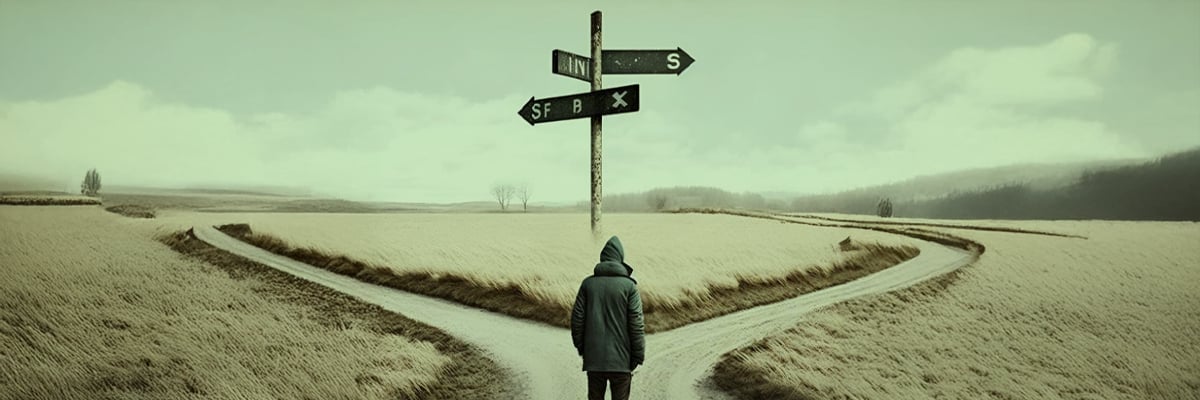
The answer, perhaps, is not for us to grasp entirely. It is in the striving, the questioning, the yearning that we find our purpose. It is in the struggle to align ourselves with the truth that we discover faith—not as a passive state but as a dynamic journey.
And yet, the yearning for a perfect world remains. The dream of peace is etched into our hearts, as if placed there by design. Perhaps this is why the promise of paradise stirs something deep within us—a longing for a place where the struggles of this world dissolve into harmony.
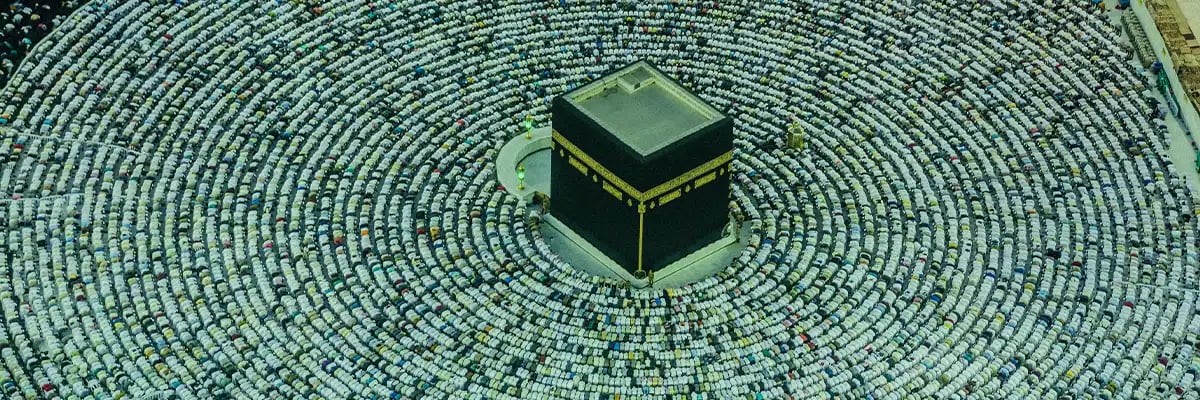
In paradise, the Quran tells us, those who enter will greet one another with a single word: Salaam. Peace. This word will flow through every interaction, every thought, every moment. For the first time, the fractured hearts of humankind will beat in unison. There will be no pests to spoil the harvest, no microbes to steal health, no envy to poison relationships. Paradise will not be a utopia dreamed by human hands—it will be peace as it was always meant to be, a gift from the One who fashioned our hearts to yearn for it.
To return to the question we began with: could everyone be a believer?
Perhaps not in the way we imagine. But the invitation to belief remains open, calling to every soul willing to seek, wonder, and walk the path illuminated by divine light. For in the seeking, we are transformed. And in the surrender, we find peace. And beyond this world, there waits a peace so perfect it cannot be contained in words—only in the eternal greeting: Salaam, Salaam. Do you hear that chorus flowing from another world? If you do, then rejoice—rejoice.