
It started with a meeting. A group of teachers gathered to talk about the challenges they were facing with some students. They had tried everything—advice, warnings, even involving parents—but nothing seemed to work. This time, they had to make hard decisions. Some students would face fines, others would be suspended, and a few, sadly, would be expelled. The teachers didn’t take these steps lightly. Some wondered, “Is this too harsh? Can’t we just talk to them again?” But they knew from experience that words alone wouldn’t reach everyone.
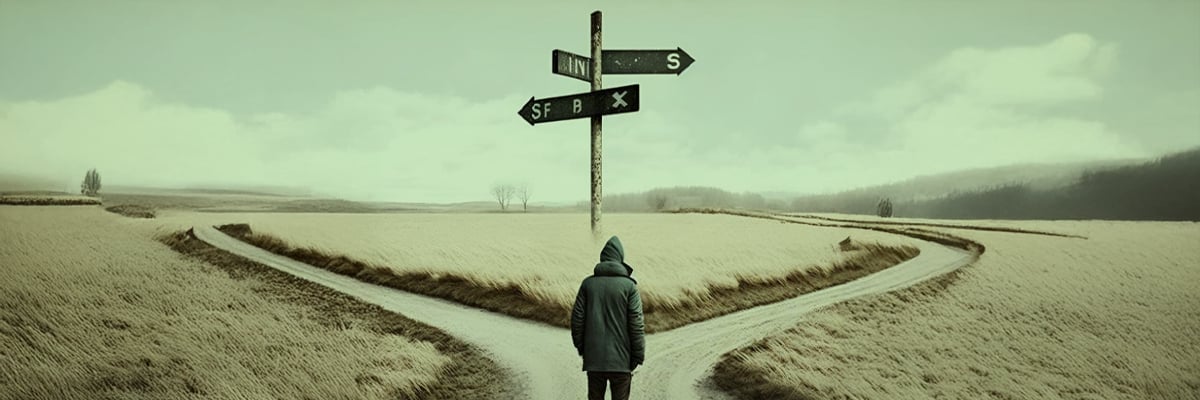
People respond to guidance in different ways. Some only need a gentle nudge to understand their mistakes and grow. Others remain unmoved, like hard soil that resists the rain. And there are those who won’t wake up until life itself shakes them, forcing them to change. The human heart, like the soul, is complex—it opens only when the right door is found.
This isn’t just true for students or young people. It’s true for all of us. Life has a way of teaching lessons, often through experiences we never expected. Some lessons come wrapped in beauty: a quiet moment during a sunset, the soft words of a friend, or the realization of a truth you’ve been searching for. But sometimes, life teaches through hardship. Loss, failure, and even suffering can break down the walls we’ve built around ourselves and help us see more clearly.
Consider a woman who feels lost after her world is turned upside down. She thought she had everything: a career, relationships, plans for the future. But one by one, those things fell apart. She describes herself as standing in the middle of a storm with no place to turn. And yet, it was in that storm that she found something she didn’t know she needed: a faith that steadied her. When she talks about it now, she says, “I thought I was falling apart, but really, I was being rebuilt.”
Or think of a man who never thought much about faith. For years, he laughed at the idea, calling it outdated and irrelevant. Then, one day, something shifted. It wasn’t a dramatic moment—just a quiet evening where he felt an unexpected heaviness in his heart. Looking out at the fading light of the day, he asked himself, Is this all there is? That simple question led him to pick up a Qur’an. He didn’t know what he was looking for, but as he read the words, they spoke to him deeply: “Indeed, with hardship comes ease.” From that moment, he began to see life differently.
These stories aren’t rare. They remind us that people come to truth in different ways. Some are drawn by beauty, others by hardship. What matters is not how the journey begins but where it leads. For many who find their way to Islam, the journey leads to a sense of peace and purpose that transforms their lives.
Islam doesn’t promise a life free from challenges. In fact, it teaches that trials are an essential part of life. They refine the soul, much like fire purifies gold. The Qur’an speaks of life as a temporary place, a bridge rather than a destination. It asks us to reflect on what truly matters and warns against the illusion of permanence in a world that is always changing.
In our modern lives, it’s easy to cling to a sense of control. We surround ourselves with things that feel solid—money, homes, titles, and possessions. But all it takes is a single storm, a single unexpected moment, to remind us how fragile those things really are. Natural disasters, illnesses, even the smallest of life’s setbacks, all have a way of breaking through our illusions. They remind us that there is something greater than ourselves, something beyond this fleeting world.
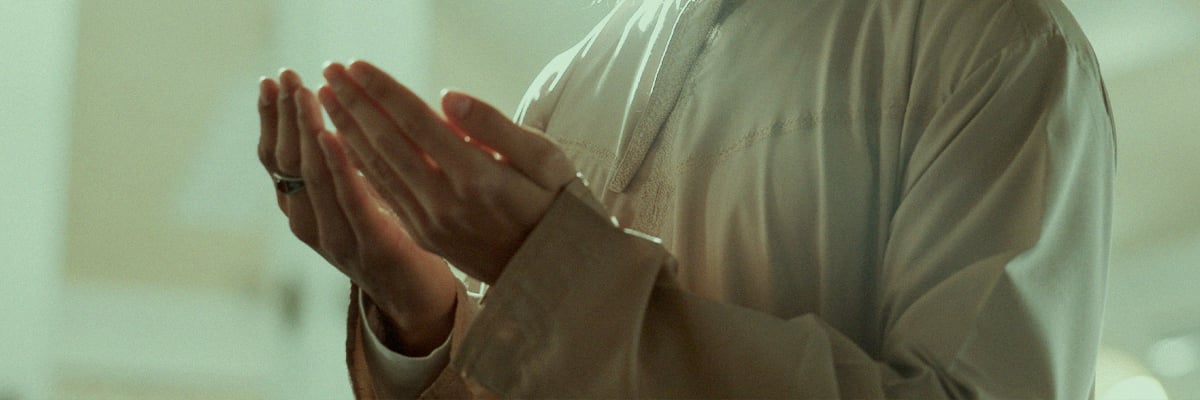
This realization doesn’t come to everyone in the same way. For some, it’s a gentle awakening. For others, it’s a jolt, like cold water splashed on the face. Muslims prepare for this every day through small acts of worship, like washing their hands, faces, and feet before prayer. It’s a ritual that reminds them: life is fragile, and everything we have is a gift. Even water, the most ordinary thing in the world, is a blessing. The Qur’an asks, “If your water were to disappear, who could bring you flowing water?” (Surah Al-Mulk, 67:30)
Questions like this aren’t meant to frighten but to awaken, to remind us to be grateful for what we have and to recognize the One who provides it.
Trials, then, are not punishments but opportunities. They challenge us to grow, reflect, and turn toward what is lasting and real. For those who walk the path of faith, trials become a kind of mercy, teaching patience and resilience. They teach us to rely not on the illusions of this world but on the Creator who sustains us through all things.
And so, this life is not about escaping hardship but about finding meaning in it. Islam offers a path, not to avoid the storms, but to walk through them with trust and grace. Beyond the trials, it promises, there is light—a peace that fills the heart and a purpose that transforms the soul.