
The retreat in the Cave of Ḥirā’ had continued. Nearly three years had passed in solitude and meditation. Then came the day destined to change the course of history: Monday, August 10, 610 CE, the 21st of Ramaḍān. By the lunar calendar, Muhammad ﷺ was exactly forty years, six months, and twelve days old; by the solar calendar, he was thirty-nine years, three months, and twenty days.
Alone in contemplation within the cave, the Prophet ﷺ suddenly received a visitor: the angel Jibrīl (Gabriel), who had carried divine messages to all the prophets before him.
“Read,” the angel commanded.
“I am not one who reads,” replied the Prophet ﷺ.
The angel embraced him tightly and repeated: “Read.”
Again, the Prophet ﷺ responded with the same words.
Three times this exchange continued, until at last Jibrīl recited the opening verses of Sūrat al-‘Alaq, chapter ninety-six of the Qur’an:
اقْرَأْ بِاسْمِ رَبِّكَ الَّذِي خَلَقَ
خَلَقَ الْإِنسَانَ مِنْ عَلَقٍ
اقْرَأْ وَرَبُّكَ الْأَكْرَمُ
الَّذِي عَلَّمَ بِالْقَلَمِ
عَلَّمَ الْإِنسَانَ مَا لَمْ يَعْلَمْ
Read in the name of your Lord who created —
Created man from a clinging clot.
Read, and your Lord is Most Generous,
Who taught by the pen,
Taught man what he did not know.
(Qur’an 96:1–5)
Overwhelmed by this extraordinary encounter, the Prophet ﷺ trembled from head to foot. Bearing the weight of divine revelation, he left the cave and hurried home. Entering his house, he said to his beloved wife: “Cover me, cover me!” Khadījah extended her arms, wrapped him in a cloak, and comforted him until his fear subsided.
When he described all that had happened, he added: “I feared for my very life.” Khadījah reassured him with unwavering faith:
“No, by Allah, He will never abandon you. For you uphold family ties, bear the burdens of others, give shelter to the poor, aid the helpless, and help those struck by calamity.”
Waraqah ibn Nawfal
Khadījah then took the Prophet ﷺ to her cousin Waraqah ibn Nawfal, a learned man who had studied the scriptures and copied them in writing. She wanted clarity on what had occurred.
Waraqah welcomed them warmly and listened carefully as the Prophet ﷺ recounted the entire event. After reflecting, Waraqah said:
“This is the very angel — Jibrīl — whom Allah sent to Moses. If only I might live to the time when your people drive you out!”
The Prophet ﷺ was astonished: “Will my people drive me out?”
“Yes,” Waraqah replied. “No man has ever brought what you will bring without being treated as an enemy. If I live to that day, I will stand by you with all my strength.”
But Waraqah did not live long enough to see that time.
This conversation marked the Prophet’s ﷺ realization that he had been entrusted with a great mission. Yet he did not face it alone. His beloved wife Khadījah was beside him with full support, a source of strength and comfort as the first believer in his calling.
Explanatory Notes
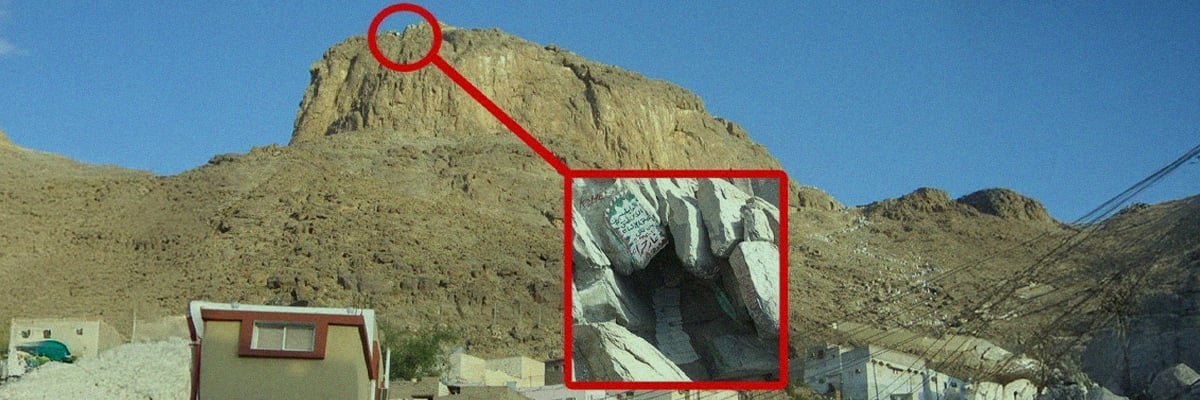
- Ḥirā’ Cave: A small cave in Jabal al-Nūr, overlooking Makkah, where the Prophet ﷺ would retreat for worship and reflection.
- Angel Jibrīl (Gabriel): The archangel who delivered revelation (waḥy) from Allah to the prophets, including Moses, Jesus, and Muhammad ﷺ.
- Sūrat al-‘Alaq: The first verses of the Qur’an revealed to the Prophet ﷺ. They emphasize knowledge, creation, and the divine act of teaching.
- Khadījah bint Khuwaylid: The Prophet’s first wife and first believer in Islam, remembered as a source of steadfast support during the earliest days of revelation.
- Waraqah ibn Nawfal: Khadījah’s cousin, a Christian scholar familiar with earlier scriptures. He immediately recognized the encounter at Ḥirā’ as genuine revelation from the same angel who had spoken to Moses.
- Fear of Life: The Prophet’s trembling and plea to be covered show the immense physical and spiritual weight of revelation, which was unlike any human experience.


_1777358421433.webp&w=3840&q=75)