
Bilāl’s homeland was Africa, but in Makkah he lived as a slave under the harsh hand of the Umayyah clan. When he embraced the words of the Prophet ﷺ and entered Islam, his master was enraged. Again and again he tried to force Bilāl back, but Bilāl refused.
Umayyah’s anger boiled over into cruelty. Bilāl was bound and dragged onto the blazing desert sand, his chest pinned down with a massive stone. Whips tore at his body as his master bellowed: “If you do not wish to die, renounce Muhammad’s God! Praise Lāt and ʿUzzā!”
But Bilāl’s lips never faltered. His reply rose over the desert like a cry of defiance: “Aḥad, Aḥad — One, One.” He rejected the false idols and proclaimed the unity of Allah. The more Umayyah raged, the louder Bilāl’s voice grew.
ʿAmr ibn al-ʿĀṣ, a contemporary, recalls: “As I passed through Makkah, I saw Bilāl being beaten. Each time he said ‘Aḥad, Aḥad,’ Umayyah grew more vicious. His body seared against the hot earth. He fainted, revived, and still his cry was the same: Aḥad, Aḥad.”
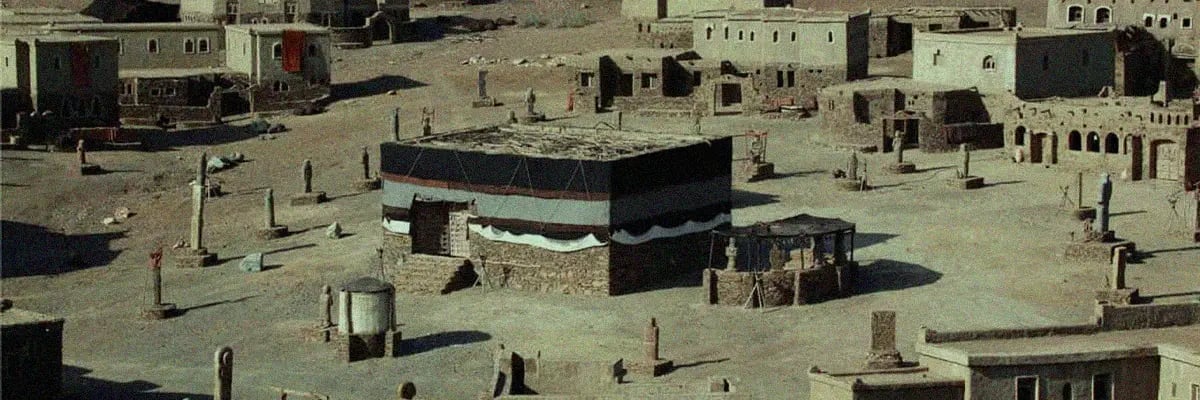
The poet-companion Ḥassān ibn Thābit witnessed another torment: “I came near the Kaʿbah to perform ʿUmrah. There, children were dragging Bilāl through the streets with a long rope tied around him. He shouted with all his strength, ‘I deny Lāt, ʿUzzā, Manāt, Hubal, Nāʾilah, and Buwān!’ Umayyah seized him and flung him down on the burning sand once again.”
Another companion, Mujāhid, relates: “The Quraysh tied a rope around Bilāl’s neck and ordered the children to drag him between the mountains of Makkah. They did so while Bilāl kept repeating: ‘Aḥad, Aḥad.’ Later, Bilāl himself recounted, ‘They dragged me day and night until my throat was dry and I could barely utter a word.’”
Warqa ibn Nawfal, a learned man of Makkah, once saw this ordeal. He called out: “You speak the truth, Bilāl. ‘Aḥad, Aḥad’ — Allah is indeed One.” Then he turned to Umayyah: “Will you kill this man for saying so? If you do, I shall honor his grave as a sanctuary of mercy.”
At last, Abū Bakr, the Prophet’s ﷺ closest friend, came upon the scene. He confronted Umayyah: “Do you not fear God for this poor soul? How long will you torment him?” Umayyah sneered: “It is you and your companion who have ruined him. If you care for him, then you free him.”
Without hesitation, Abū Bakr offered a trade: “I have a strong slave who still lives by your faith. I will give him to you — set Bilāl free.” Umayyah agreed. Abū Bakr purchased Bilāl’s freedom, and the call “Aḥad, Aḥad” rang out no longer from the throat of a slave, but from a man liberated for the sake of Allah.
Later, Muḥammad ibn Sīrīn narrated: “When Bilāl became Muslim, the idolaters laid him on the desert sands and beat him, demanding: ‘Say your gods are Lāt and ʿUzzā.’ He answered: ‘Aḥad, Aḥad, my Lord is the One God.’ Then Abū Bakr passed by and asked why they tormented him. He purchased Bilāl for seven uqiyyah and set him free. When he told the Prophet ﷺ, the Prophet said: ‘Let me share in his freedom!’ But Abū Bakr had already paid the price in full. Some reports say he paid five uqiyyah instead.”
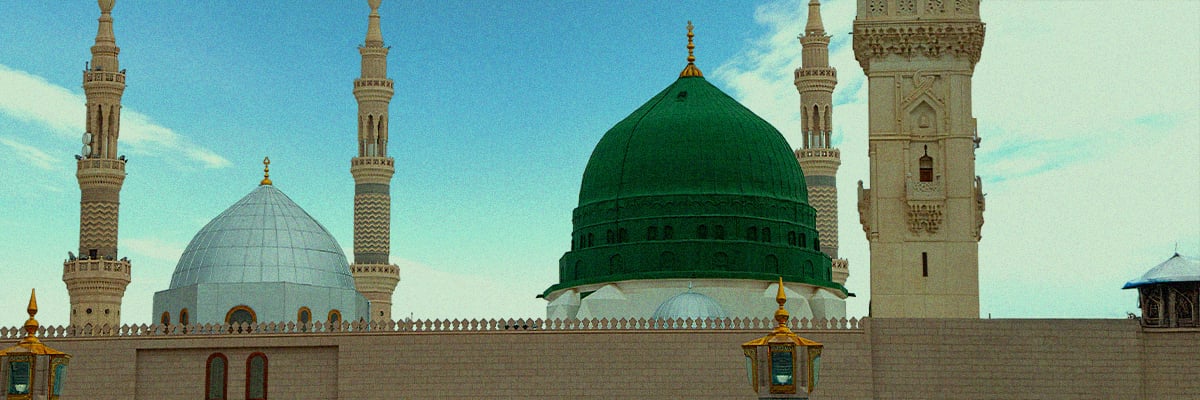
Thus, Bilāl — once chained to the burning ground — rose to become one of Islam’s noblest voices. His cry of “Aḥad, Aḥad” was no longer a whisper under torture, but the resounding call to prayer that would one day echo from the heights of Madinah.


_1777358421433.webp&w=3840&q=75)