The death of Abū Ṭālib had already torn the Prophet’s ﷺ heart. Before the wound of that loss could heal, another blow struck—his beloved wife Khadīja fell ill, and soon the noble lady too departed this world. Imām al-Ḥākim narrates that her passing came just three days after that of Abū Ṭālib.
Khadīja was not merely a wife to the Prophet ﷺ. At times she was like a mother, at times a dearest companion, always a source of energy and comfort. Her maturity and dignity were a shelter to him, her tenderness and wisdom a shade of coolness amidst the scorching trials. In her final moments, the Prophet ﷺ had to comfort not only his own heart but also his three young daughters who wept bitterly. Jibrīl came with glad tidings, conveying to the Messenger ﷺ that Khadīja was granted greetings of peace from Allah and the promise of a palace in Paradise. This news he shared with his daughters, a balm upon their grief.
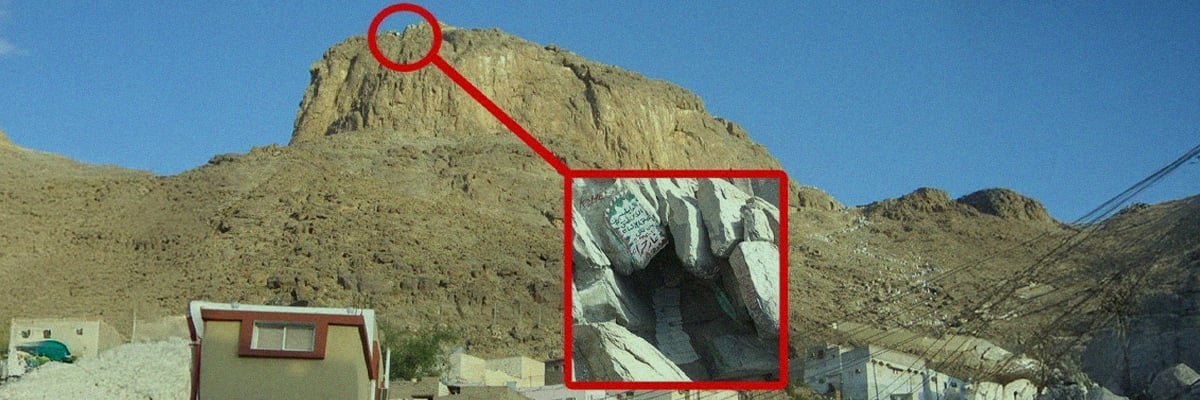
With tearful eyes, the Prophet ﷺ himself carried her body to the cemetery of Ḥajūn—today known as Jannat al-Muʿallā—where Abū Ṭālib too had been laid to rest. At that time the funeral prayer had not yet been prescribed, so she was borne directly from her home to the grave. The Prophet ﷺ descended into the grave, and with a heart burning with sorrow and eyes brimming with tears, he bade farewell to his beloved.
Through the next thirteen years of his mission, he would often remember her in moments of blessing. Sometimes he would honor her memory by sending gifts to her friends, sometimes by slaughtering a goat and feeding the people in her name. Khadīja was praised as the great jewel who departed this world only to be granted a palace in the gardens of Paradise.
The loss of these two pillars of support—his uncle Abū Ṭālib and his noble wife Khadīja—so close together, marked the tenth year of his mission as the ʿĀm al-Ḥuzn, “the Year of Grief.”
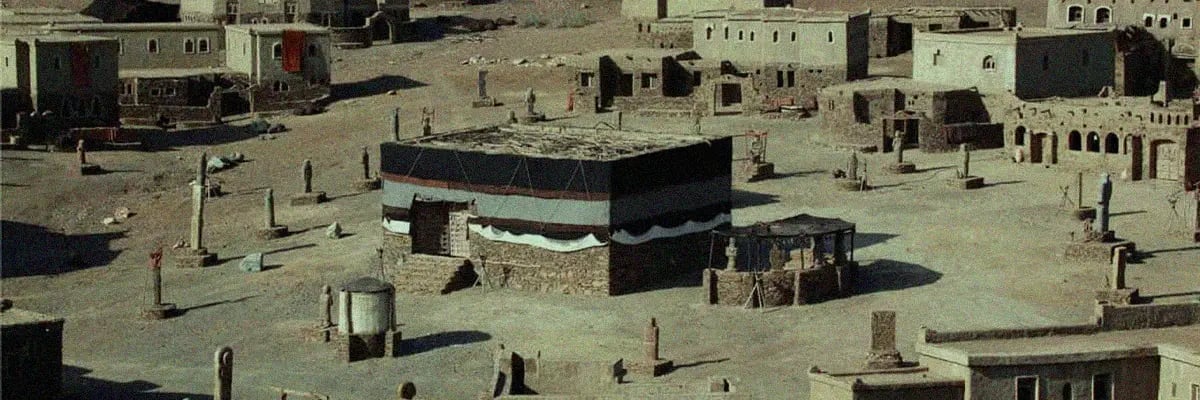
The absence of Abū Ṭālib emboldened the enemies of Quraysh. They now dared to insult and harass the Prophet ﷺ without fear of reprisal, knowing the man who once shielded him was gone. Once, overcome with anguish, the Prophet ﷺ uttered: “O uncle, how swiftly your absence has weighed upon me!” On one occasion, one of the Quraysh even poured dust upon his blessed head. He returned home, his daughter weeping as she washed the dust away. He gently told her: “Do not weep, my child. Allah will protect your father. But indeed, until Abū Ṭālib passed away, none of them dared to do such a thing.”
In the days that followed, the Prophet ﷺ spent more time at home, shouldering the role of guardian within a household now without its lady. His heart pondered deeply the trials yet to come, and the path that still stretched ahead of him.


_1777358421433.webp&w=3840&q=75)