
A clash once broke out between Quraysh and the tribe of Qays. At that time, the Prophet Muhammad ﷺ was only fourteen or fifteen years old. This tribal conflict came to be remembered as the Fijār War.
Muhammad ﷺ joined his uncles in the battlefield. Though still a boy, he assisted them by preparing and handing arrows. He already showed skill in archery, steadiness, and courage. At the dawn of his youth, he also tended sheep as a herdsman. Shepherding provided him not just a simple livelihood, but a profound discipline. All the prophets of old had worked as shepherds, for it trained them in patience, care, and leadership. The Prophet ﷺ himself later reminded his companions of this, saying plainly that he too had been a shepherd. Astonished, they asked, “Did you really herd sheep?” He answered with certainty, teaching them the value of the experience. He had tended sheep for the Quraysh and also for the people of Banū Sa‘d.
In those years, Muhammad ﷺ also had early experiences of trade. He accompanied Sā’ib, a man from the Makhzūm clan, on commercial ventures.
The Pact of Fudūl
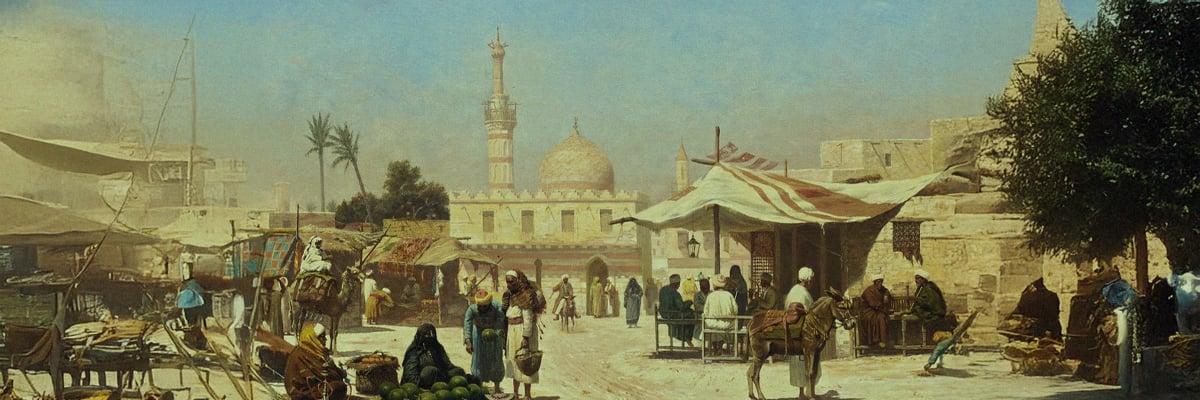
One day, a caravan from Yemen arrived in Makkah carrying goods for trade. Among them was a man from the tribe of Zubayd. As usual, the marketplace filled with buyers eager for fresh merchandise.
Among Quraysh was a man named al-‘Āṣ ibn Wā’il al-Sahmī — father of ‘Amr ibn al-‘Āṣ and Hishām ibn al-‘Āṣ. He was a skilled archer, but also a notorious troublemaker who delighted in harassing others. When he came to the market, he purchased goods from the Yemeni merchant but refused to pay. Despite protests and arguments, the merchant gained nothing.
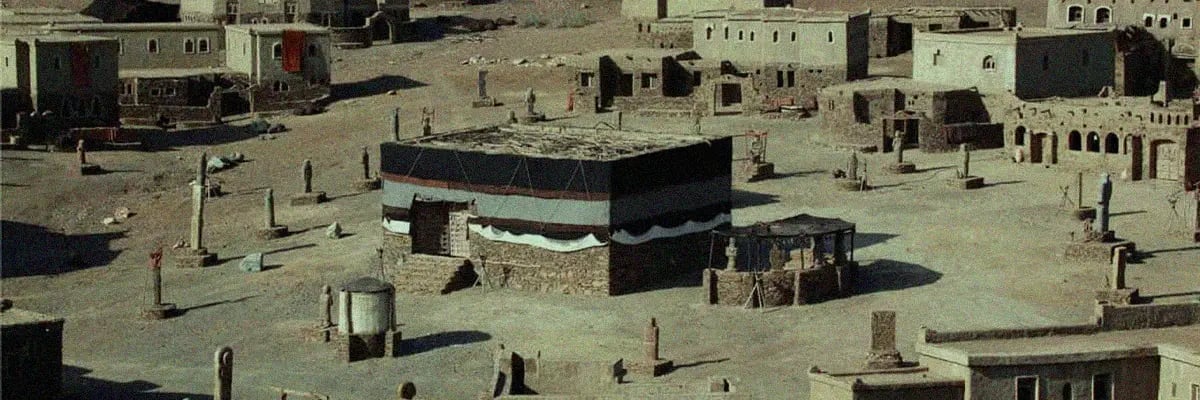
Desperate, the merchant pleaded with the Quraysh and other Arabs present to help him, but none dared oppose al-‘Āṣ. Left helpless, he stood near the Ka‘bah and recited a poem of protest:
O family of Fihr (Quraysh), will you not help me?
My home and kin are far away, while my trade goods lie captive in Makkah.
Behold this wrong — a man unshaven, unwashed in ihrām,
denied his due by a treacherous oppressor.
This House is for the people of honor and humanity,
not for deceivers and fools.
These words reached the ears of the Prophet’s uncle, Zubayr ibn ‘Abd al-Muṭṭalib. “I have heard your call,” Zubayr said to him. “What is your complaint?” Relieved, the merchant explained his plight in full.
“This is blatant injustice,” Zubayr declared. “It cannot be tolerated. We must respond.” He turned to the Quraysh standing nearby and called them to action.
Others joined him. Among them was ‘Abdullāh ibn Jud‘ān — elder of Quraysh, renowned for generosity and hospitality, and from the clan of Taym (the family of the Prophet’s future closest companion, Abū Bakr al-Ṣiddīq). He said, “Leaders of Quraysh, come together. Let us establish a pact to protect the oppressed and restrain the oppressors.”
Moved by his words, men of noble conscience stepped forward. Representatives of several clans agreed: Banū Hāshim ibn ‘Abd al-Muṭṭalib, Banū Asad (the clan of Khadījah, who would later become the Prophet’s first wife), Banū Zuhrah (the clan of the Prophet’s maternal uncles), and Banū Taym ibn Murrah (the clan of Abū Bakr). They decided to form a pact.
Zubayr ibn ‘Abd al-Muṭṭalib invited the leaders of Quraysh to the house of ‘Abdullāh ibn Jud‘ān for a feast. There, the pact was formally sealed. It included the clans of Banū Hāshim, Banū al-Muṭṭalib, Banū Asad ibn ‘Abd al-‘Uzzā, Banū Zuhrah ibn Kilāb, Banū Taym ibn Murrah, and also members of Kinānah — particularly Banū al-Ḥun and Banū al-Walḥār.
Together, they pledged mutual support: if anyone, whether resident or outsider, was wronged in Makkah, they would stand with the oppressed until justice was secured.
This agreement, forged after the Fijār War, became known as the Ḥilf al-Fuḍūl — the Pact of Fudūl, meaning “the Alliance of the Virtuous.” It was concluded in Dhū al-Qa‘dah, one of the sacred months when fighting was forbidden.
The pact was a landmark: a moral coalition among Quraysh to defend justice and human dignity.
Explanatory Notes
- Fijār War: The name literally means “the Sacrilegious War.” It was so called because it broke out during the sacred months when warfare was forbidden. Muhammad ﷺ did not fight but assisted his uncles.
- Shepherding of Prophets: A theme found in both Islamic and Biblical tradition. The Prophet ﷺ explicitly mentioned that every prophet had herded sheep, seeing it as training in leadership and patience.
- Sā’ib (of Makhzūm): An early trade partner of the Prophet ﷺ. These small journeys prepared him for later major trade ventures, including those for Khadījah.
- Al-‘Āṣ ibn Wā’il: A Qurayshi notable and father of ‘Amr ibn al-‘Āṣ, who would later become a famous Muslim general. At this time, al-‘Āṣ was known for arrogance and oppression.
- Zubayr ibn ‘Abd al-Muṭṭalib: The Prophet’s uncle, remembered for responding first to the Yemeni merchant’s plea and spearheading the pact.
- ‘Abdullāh ibn Jud‘ān: A respected elder of Quraysh, remembered for his generosity. Though not a Muslim, he played a central role in establishing the pact.
- Ḥilf al-Fuḍūl (Pact of Fudūl): Literally “the Pact of the Virtuous.” It was a collective agreement among Makkah’s leading clans to protect the rights of the oppressed. The Prophet ﷺ would later recall it with admiration, saying that even in Islam he would respond to such a call for justice.


_1777358421433.webp&w=3840&q=75)