
Khabāb ibn al-Aratt stands as a radiant memory of sacrifice for the preservation of faith. One day, Sibāʿ ibn ʿAbd al-ʿUzzā and his companions surrounded him. They mocked: “We hear you have gone astray, following that man of the clan of Hāshim with his new claims.”
Khabāb, working at his forge, answered calmly: “I have not gone astray. I have turned away from your false gods and chosen to worship Allah, the true Lord. That is all.”
The reply of a slave and ironsmith stung Sibāʿ. He seized weapons from the workshop and attacked. Khabāb was left bleeding, his body drenched in blood. News spread quickly through Makkah — a slave had dared to openly proclaim his faith. The Quraysh nobles — Abū Jahl, Abū Sufyān, and Walīd — gathered in Dār al-Nadwa and resolved to intensify the assaults. They entrusted Sibāʿ, the brother of Khabāb’s mistress Umm Anmār, with the task of breaking him.
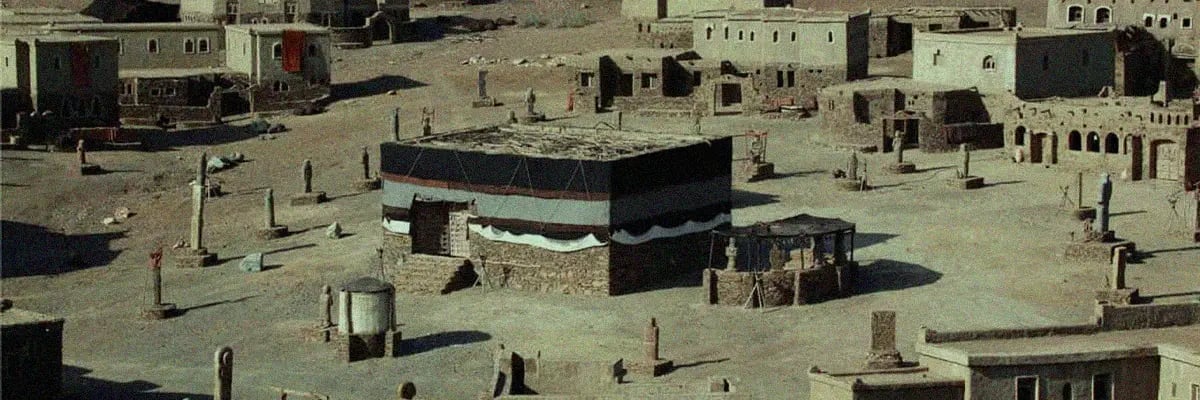
So they dragged Khabāb into the scorching sun, stripped him, and forced him onto the burning sand. Heavy stones were piled upon him. “Now,” they demanded, “what do you say about Muhammad?”
Khabāb replied: “He is Allah’s Messenger, my Prophet.”
They pressed iron armor against his flesh and continued: “And what of Lāt and ʿUzzā?” Khabāb answered only with disdain for lifeless stone idols. The harsher his words, the fiercer their blows.
On one occasion, the Prophet ﷺ himself witnessed Khabāb’s torment. His eyes filled with tears, his cheeks wet as he prayed earnestly: “O Allah, protect Khabāb.”
From Slave to Teacher
Khabāb had been born in Najd, the son of al-Aratt from the tribe of Tamīm. Captured by raiders, he was sold in the markets of Makkah. Umm Anmār, a wealthy woman of the Khuzaʿah tribe, purchased him. Skilled in metalwork, he became a renowned blacksmith, bringing great profit to his mistress. Yet Khabāb had no love for idol-worship and longed for deliverance. When the Prophet ﷺ began his call, Khabāb embraced tawḥīd with joy.
Umm Anmār was furious. She struck him and handed him over to her brother Sibāʿ. In time she fell gravely ill, and her physician prescribed cauterization — a heated iron rod pressed upon her head. Ironically, Khabāb was assigned to perform this treatment. He watched as his mistress writhed in pain, fleeing from the very fire she had once forced upon him. Fate had delivered its reply.
Comfort in the Midst of Torment
Imām al-Bukhārī records a telling report. Khabāb himself said: “There was a time in Makkah when we were tortured mercilessly. I came to the Messenger of Allah ﷺ while he sat in the shade of the Kaʿbah, resting on a folded cloak as a cushion. I asked: ‘O Messenger of Allah, will you not pray for us? Will you not ask Allah’s help for us?’”
The Prophet ﷺ rose and said:“Among those before you, some were tortured with iron combs that tore flesh from bone. Others were sawn in half, their skulls split apart as if wood on a carpenter’s bench. Yet none of them abandoned their faith. By Allah, this cause will reach its fullness. A day will come when a traveler will journey from Ṣanʿāʾ to Ḥaḍramawt fearing none but Allah, and worrying only for the safety of his sheep from wolves.”
By recalling the sacrifices of earlier believers, the Prophet ﷺ gave his companions solace. He taught them to see beyond suffering, toward the future promise of Islam’s triumph. Above all, he reminded them of the necessity of patience.
Over time, Khabāb became a master of Qurʾān, teaching others its recitation and meaning. The ironsmith once dragged across burning sand emerged as a teacher of divine words.


_1777358421433.webp&w=3840&q=75)