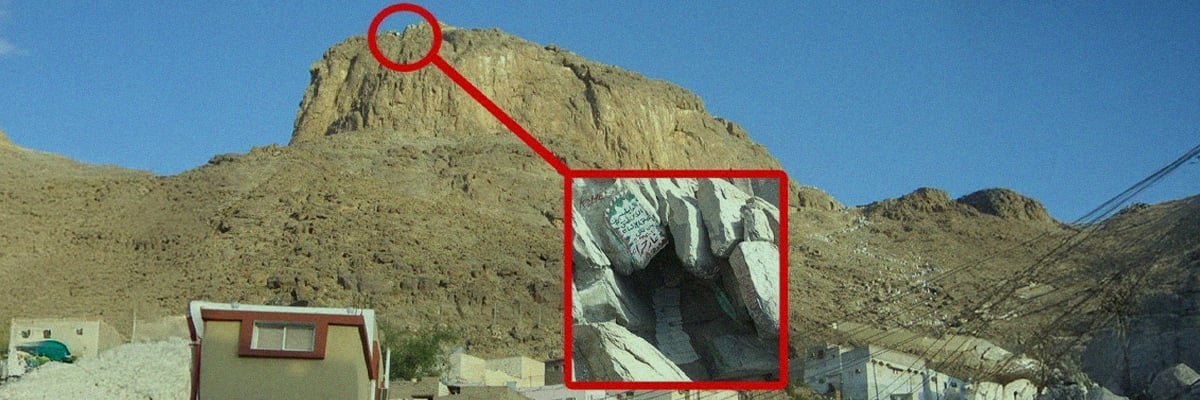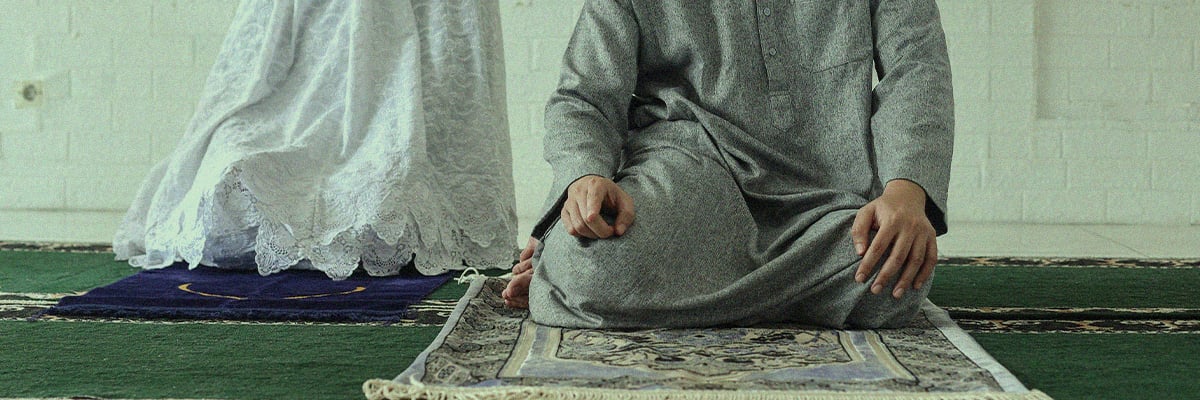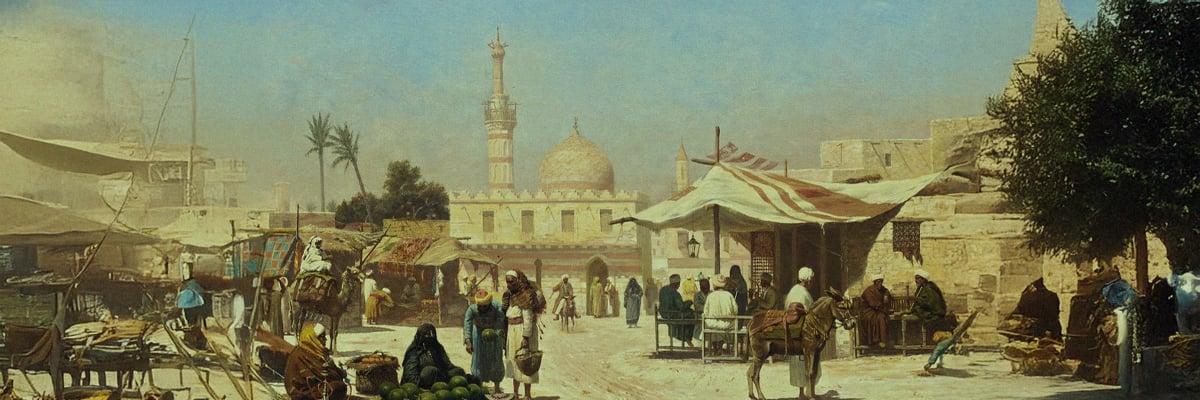

From the very first revelation in the cave of Ḥirāʾ, the angel Jibrīl not only brought verses of the Qur’an but also introduced the Prophet ﷺ to the act of prayer. Along with prayer came the instructions for ritual purification — wuḍūʾ (ablution). Jibrīl demonstrated these practices in a living, practical way, so that the Messenger ﷺ could embody them.
The great scholar Ibn Ḥajar records: “The Prophet ﷺ and his companions prayed even before the night of the Ascension (Miʿrāj) when the five daily prayers were formally enjoined. At that stage, prayer was already practiced, though not yet in the fixed form of five times a day. According to one opinion, prayer was at that time prescribed at the beginning and end of the day.”
Zayd ibn Ḥārith reports: “When the Prophet ﷺ first received revelation, Jibrīl taught him ablution. Then he sprinkled a little water over his private parts.” This narration appears in Ibn Mājah and other early collections.
Ibn Hishām, the historian, records that the Prophet ﷺ and his followers would go down into the valleys around Makkah to pray in secret. Abu Ṭālib, the Prophet’s uncle, once noticed this practice and, after hearing the details, gave him permission to continue.
In those early days, no other ritual obligations had yet been prescribed. The whole emphasis of the divine message was on instilling true faith in the One God, free of idols and partners. This was the heart of the Prophet’s call, and prayer was its living expression. Through these three years of quiet devotion, a small circle of men and women gathered around the Prophet ﷺ — bound together by love, respect, and a deepening faith in his message.
A remarkable glimpse of those days comes from a trader named ʿAfīf al-Kindī, who later became Muslim. He recalls:
“I had come to Makkah during the season of pilgrimage and was staying with al-ʿAbbās ibn ʿAbd al-Muṭṭalib, for we had business ties between us. One day, while we were at Minā, I saw a man step out of a tent. He looked at the sky, gauged that midday had passed, and began to pray. Soon a woman came out and stood behind him. Then a boy followed and joined them. I asked, ‘Who are these people, O ʿAbbās, and what are they doing?’
Al-ʿAbbās said, ‘The man is my nephew, Muḥammad ibn ʿAbdullāh. The woman is his wife, Khadījah bint Khuwaylid. And the boy is my brother’s son, ʿAlī ibn Abī Ṭālib. They are praying. Muhammad claims that he is the Messenger of God. Only his wife and ʿAlī have accepted his word. And people are already saying that his message will one day reach the treasures of Caesar and Chosroes.’”
Years later, when ʿAfīf embraced Islam, he would reflect: “If only I had accepted that day, I might have been counted as the second Muslim after ʿAlī.”
Thus, in the valleys of Makkah, under the open sky, began the first prayers of Islam — a quiet act of devotion that would soon become the unshakable pillar of the new faith.


_1777358421433.webp&w=3840&q=75)