
When all other schemes had failed, Quraysh devised a harsher strategy. They approached Abū Ṭālib, pressing him to hand over his nephew so that they might kill him. Abū Ṭālib refused. From that point, the hostility was extended to the entire clan of Hāshim. If they could not kill the Prophet ﷺ directly, then they would break his family by collective pressure.
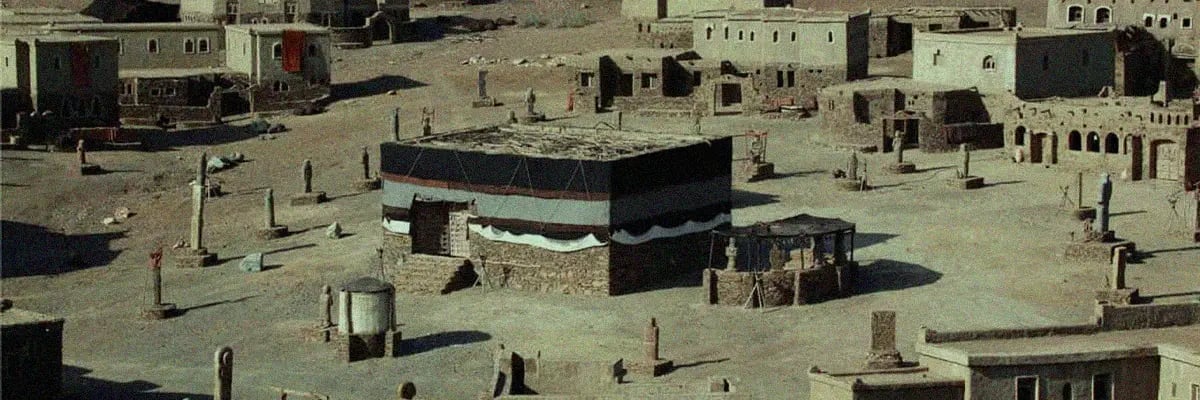
They drew up a pact of total boycott: no one would marry into Banū Hāshim or Banū al-Muṭṭalib, nor accept marriage from them; no trade in food or goods with them; no sympathy, no treaties, no dealings of any kind—until Muhammad ﷺ was delivered up for death. This was the covenant of ostracism, and it was hung inside the Kaʿbah for sanctity. Tradition differs over who wrote it—names such as Manṣūr ibn ʿIkrimah, Naḍr ibn al-Ḥārith, Bughayl ibn ʿĀmir, and Hishām ibn ʿAmr are mentioned. Reports add that the hand which wrote it became partially paralyzed.
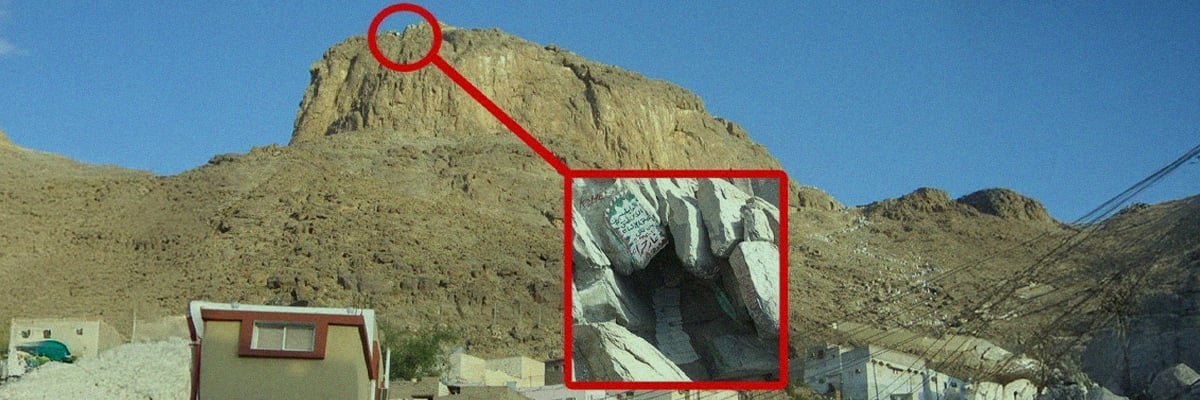
Thus the clans of Hāshim and al-Muṭṭalib withdrew together into the valley of Abū Ṭālib. Believers and even their unbelieving kin suffered alike. Supplies were scarce; often they went days without food. Leaves and pods from the valley’s shrubs became their diet until mouths cracked and their excrement resembled that of animals.
Quraysh were vigilant, placing guards to block every route by which provisions might reach the valley. When Ḥakīm ibn Ḥizām tried to bring grain for his aunt Khadīja, Abū Jahl intercepted him and threatened him with public humiliation. Abū al-Bukhtarī intervened: “Let the man go—he is only bringing food to his aunt.” They quarreled fiercely, until Abū al-Bukhtarī struck Abū Jahl with a camel’s jawbone and bloodied him, trampling him on the ground. This news, reaching the Prophet ﷺ, was a humiliation to Quraysh; but Hamzah himself had witnessed it.
Even Abū Lahab, a clansman of Hāshim, abandoned his kin during the boycott. He openly sided with the enemies, declaring support for Lāt and ʿUzzā, and saying to Hind bint ʿUtbah, “Should we not help our gods by forsaking those who have abandoned them?”
The siege lasted three years. Through it all Abū Ṭālib shielded the Prophet ﷺ. Each night he would go to the Prophet’s sleeping place, move him elsewhere, and put one of his own sons in his place—lest assassins strike.
Life in the valley was bitter, yet not a single believer renounced faith. They endured with patience. Then one day the Prophet ﷺ said to Abū Ṭālib:
“Uncle, the pact kept inside the Kaʿbah has been eaten away. All that remains are the words bearing the name of Allah; every other part the insects have devoured.”
“Did your Lord tell you this, my son?” asked Abū Ṭālib.
“Yes,” replied the Prophet ﷺ.
“Then, by God, your Lord has never deceived you.”
Abū Ṭālib went with a company to Quraysh. They assumed he came ready to hand over Muhammad ﷺ, broken by hardship. But Abū Ṭālib spoke firmly:
“Between us lies a written pact. Bring it forth. Let us settle this matter. If my nephew is truthful, you have no right to continue your oppression. If not, I will hand him over to you.”
They agreed, eager to prove him false. The box was opened, and—just as the Prophet ﷺ had foretold—the document was eaten away, save for the name of Allah. Quraysh were stunned.
Men of understanding should have taken heed, but the enemies’ malice only deepened. They muttered, “This is but Muhammad’s sorcery.” Abū Ṭālib retorted:
“Then what justice is in this boycott? It is you who are in the wrong—you who have broken ties and committed oppression.”
He entered the Kaʿbah and prayed aloud: “O Allah, help us against those who have besieged us, who oppress and sever kinship bonds!”
So the years-long siege came to an end. But the trials of the Prophet ﷺ and his followers only grew sharper still.


_1777358421433.webp&w=3840&q=75)