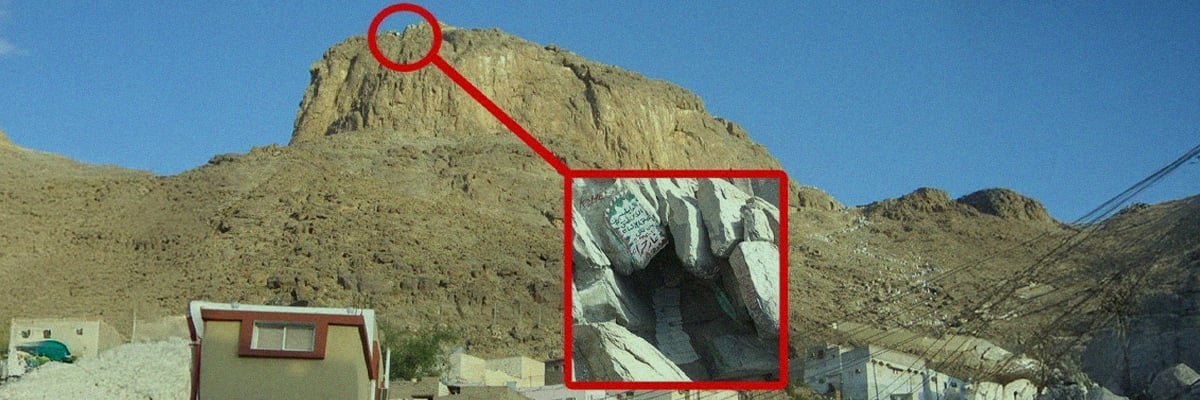
After the overwhelming experience in the Cave of Ḥirā’, the Prophet Muhammad ﷺ remained at home for three days. Thoughts about the immense weight of this responsibility filled his heart. Alongside the awe of his encounter with Jibrīl, he wondered anxiously when — or if — the angel would appear again. Gradually, fear gave way to expectation; his heart longed for another meeting with the messenger of God.
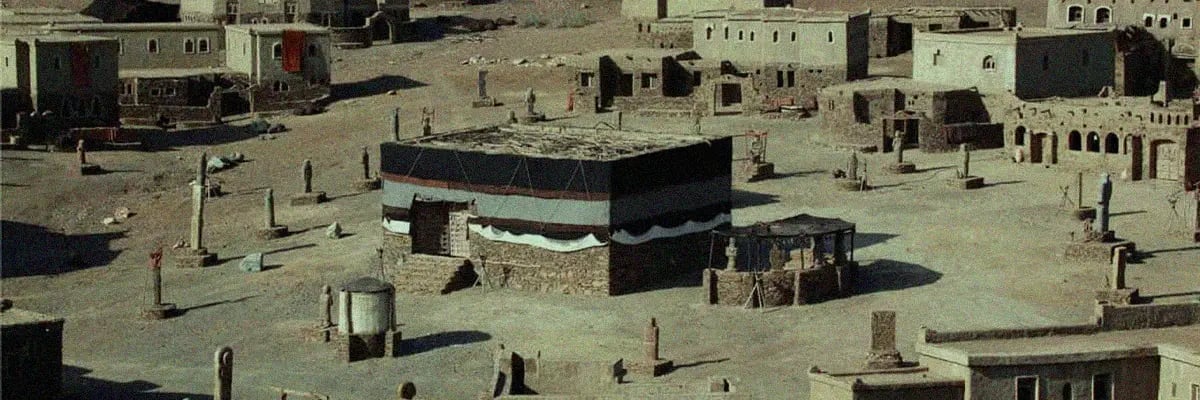
One day, the Prophet ﷺ left his house and walked down into the valley near the Ka‘bah. Suddenly, he heard a voice. Startled, he looked all around, but saw no one. Then came the call: “O Muhammad!” Raising his gaze upward, he beheld the same angel he had seen at Ḥirā’. Jibrīl was seated in majesty upon a vast throne suspended in the air, not touching earth or sky, filling the horizon with wonder. Once again, awe and trembling overtook the Prophet ﷺ, and he returned home.
After this, a pause occurred in revelation (waḥy). Ibn ‘Abbās reported that the interruption lasted only a few days. Later claims of two or three years are not strongly supported. Careful examination of the evidence suggests the shorter interval is more reliable. For three successive years, the Prophet ﷺ had spent every Ramaḍān in retreat at Ḥirā’. The final year, revelation came on the twenty-first night of Ramaḍān — a Monday. If so, the pause would have ended on the first of Shawwāl. That would mean a gap of only ten days.
Those days without revelation were heavy with sorrow for the Prophet ﷺ. He longed intensely to receive the word of God again, often climbing the hills and gazing toward the heavens with tearful eyes. Already, he had shifted from his first anxieties to a yearning desire for God’s message.
The scholar Ibn Ḥajar explains that the pause lasted only a few days and served as part of the Prophet’s spiritual preparation. Jābir ibn ‘Abdillāh narrates a hadith describing what followed. The Prophet ﷺ called Khadījah: “Cover me, dear wife, for I feel feverish, like someone stricken with heat.” She prepared cool water for him to bathe. Afterward he lay down to rest. Soon Jibrīl appeared once more, seated at the Prophet’s head, and spoke:
“O you who are wrapped up, arise and warn! Magnify your Lord, purify your garments, shun defilement, do not give favors seeking worldly gain, and be steadfast for the sake of your Lord. For when the trumpet sounds, it will be a most difficult day.”
These were the opening verses of Sūrat al-Muddaththir (Chapter 74), recited by Jibrīl.
The Call to Prayer and Purity
The scholar Sayyid Aḥmad Zaynī Daḥlān relates a detailed account of this encounter:
Jibrīl appeared in radiant beauty, filled with fragrance, and called out: “O Muhammad, Allah sends His greetings to you. You are His Messenger to mankind and jinn. Proclaim that there is no god but Allah, and that Muhammad is His Messenger. Call them to this truth.”
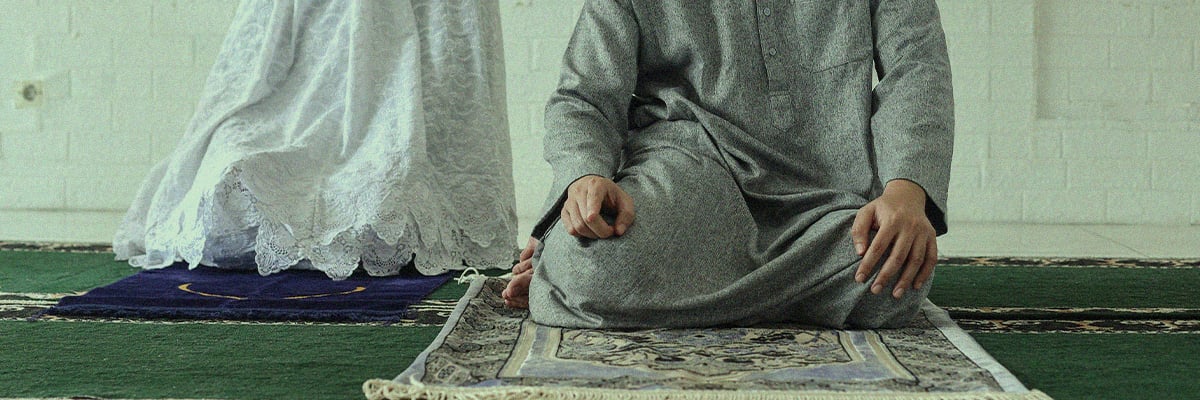
Then Jibrīl struck the ground with his heel, and a spring of water burst forth. He performed ablution (wuḍū’) before the Prophet ﷺ, demonstrating how to purify oneself for prayer. The Prophet ﷺ followed. Jibrīl then faced the Ka‘bah, stood in prayer, and instructed Muhammad ﷺ to stand beside him and do likewise. They prayed together. When the prayer ended, the angel ascended again into the heavens.
As the Prophet ﷺ walked home, stones and trees along the path greeted him: “Peace be upon you, O Messenger of Allah!” Reaching Khadījah, he described what had taken place. Joy filled her heart. Taking her by the hand, he led her to the well of Zamzam, where he showed her how to perform ablution. She followed his guidance. Then the Prophet ﷺ prayed, and Khadījah prayed alongside him. In this way, Khadījah became the first believer, the first to perform ablution, and the first to pray after the Messenger ﷺ.
For her, the next decade and a half of life would be one of deep companionship, sharing every burden and every triumph of the mission.
The World Takes Notice
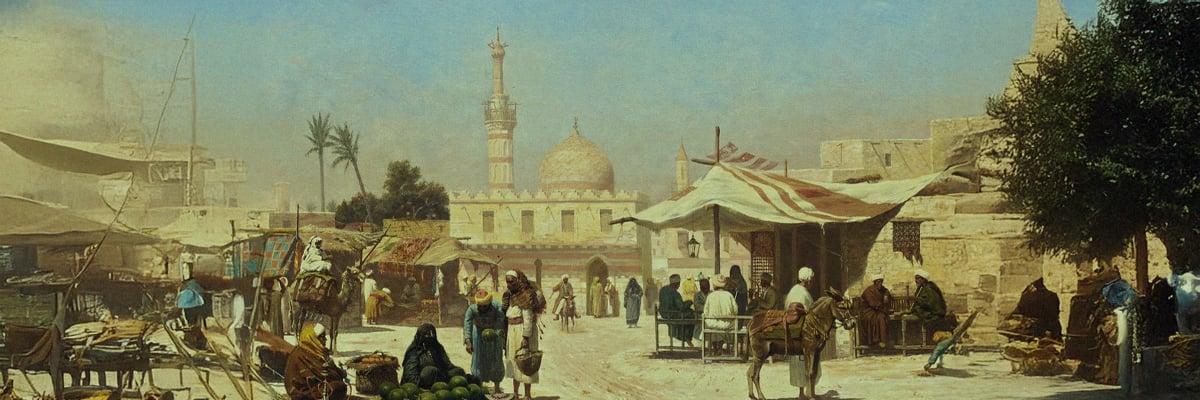
By now, word of Muhammad’s ﷺ mission had begun to circulate beyond his household. People in Makkah observed the change in him with keen eyes. Communities that had long awaited a promised prophet whispered among themselves. News spread across the markets and pastures, stirring curiosity and debate.
Travelers returned from distant lands seeking confirmation of the reports. Some sent envoys to verify the claims. In every corner of society — among merchants, herders, even the enslaved and the beasts of burden — there was a sense of expectation.
It was as if all of creation had been waiting. Oppressed slaves, laboring animals, and the weary poor longed for justice. They yearned for a liberator. And now the light had dawned. A Messenger of mercy had arisen, and hope began to blossom in every heart.
Explanatory Notes
- Pause in Revelation (Fatrah): Known in Sīrah as the interval following the first revelation at Ḥirā’. Scholars differ on its length, but most evidence points to only a brief gap, perhaps ten days.
- Sūrat al-Muddaththir (74:1–7): The second passage of revelation, commanding the Prophet ﷺ to rise and warn, glorify God, purify himself, and dedicate his mission solely to Allah.
- Wuḍū’ (Ablution): The ritual washing before prayer. According to the narration, Jibrīl demonstrated wuḍū’ directly to the Prophet ﷺ, who then taught Khadījah.
- Trees and Stones Giving Salām: Early reports describe inanimate creation acknowledging the Prophet ﷺ, a sign of his truthfulness and divine appointment.
- Khadījah’s Role: She was not only the first believer but also the first to pray after the Prophet ﷺ, sharing the very beginning of Islamic worship.
- Global Expectation: Jewish and Christian communities, as well as others, were awaiting a prophet. The stirrings in Makkah reflect how Muhammad’s ﷺ mission was sensed as part of a broader destiny.


_1777358421433.webp&w=3840&q=75)