
The prophetic mission of Muhammad ﷺ began with the divine message he received in the Cave of Ḥirā’. But at that first stage, there was no command to announce publicly that he had been appointed as Allah’s Messenger to humankind.
In the beginning, the message was shared naturally with those closest to him — his beloved wife Khadījah, his lifelong friend Abū Bakr, and his young cousin ʿAlī, who lived in his household. These were the ones who most clearly perceived the transformation taking place in the Prophet ﷺ. Each of them, in their own way, felt the conviction to follow him and embraced the truths he conveyed in those early days.
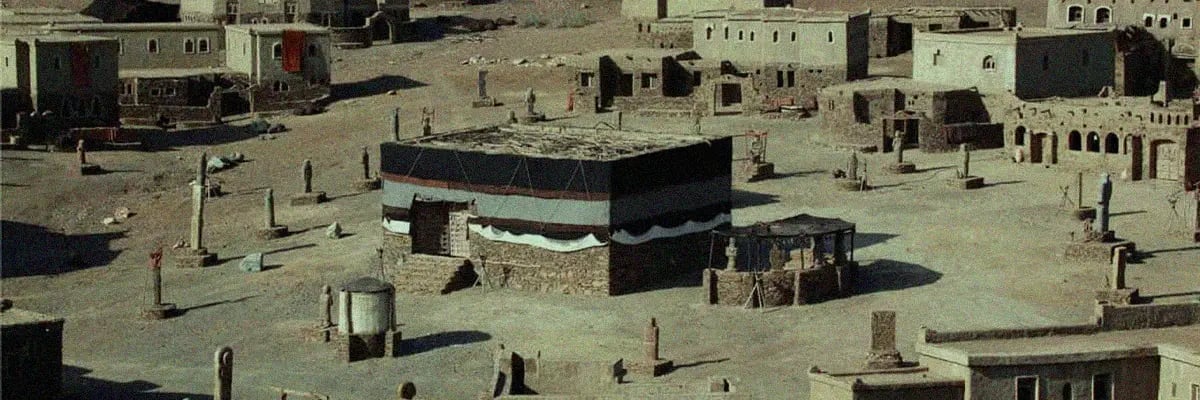
Although no public declaration had yet been made, the changes in the Prophet ﷺ and the response of his closest family members began to spark whispers in Makkah. In a society devoted to many gods and idols, the hint of a shift toward belief in a single God was enough to stir unease. People began to realize: if Muhammad ﷺ was right, then their objects of worship would be denied.
For the leading families of Makkah, this was a grave threat. To abandon the practices of their ancestors? To question the traditions passed down through generations? No community receives such news without alarm. And no society learns that someone is preparing to challenge its very foundations without resistance. Even though the Prophet ﷺ had not begun public preaching, the awareness that Makkah’s most trusted man was raising new and different ideas was enough to disturb the rest.
The Prophet ﷺ knew of the quiet debates around the Ka‘bah and of the murmurs among Makkah’s elite. Yet he moved forward only in accordance with the messages revealed to him by Allah. Immersed in the sweetness of divine communication, he lived absorbed in the charm of revelation.
It was then that a Qur’anic verse was revealed, commanding him: “Warn your closest kin.” This signaled the next stage: to begin inviting those nearest to him in private. With that, the Prophet ﷺ formally entered the phase of secret preaching.
Explanatory Notes
- First Believers:
- Khadījah — the Prophet’s first wife, the very first person to believe in his mission.
- Abū Bakr al-Ṣiddīq — his lifelong friend, later the first Caliph of Islam.
- ʿAlī ibn Abī Ṭālib — his cousin, raised in his household, later the fourth Caliph.
- Makkan Society: Quraysh society was built around polytheism and the guardianship of the Ka‘bah with its idols. A move toward tawḥīd (belief in one God) threatened both their religious pride and their economic order, since idol worship drew pilgrims and trade.
- “Warn Your Closest Kin”: This is a reference to Qur’an 26:214, where Allah commands the Prophet ﷺ to begin his call with his family and nearest relations before extending it to the wider society.
- Secret Preaching (daʿwah sirriyyah): For the first three years, the Prophet ﷺ invited individuals quietly and personally, building a small but firm group of followers before the public call began.


_1777358421433.webp&w=3840&q=75)