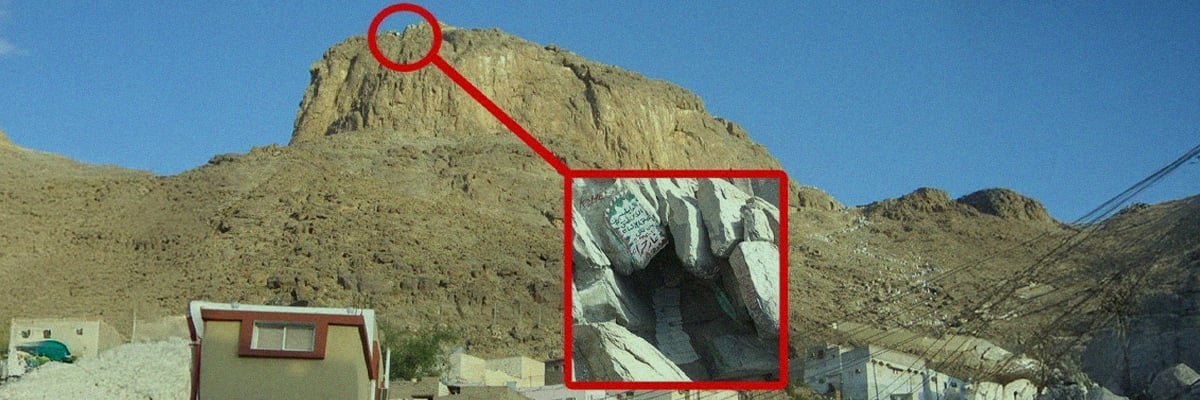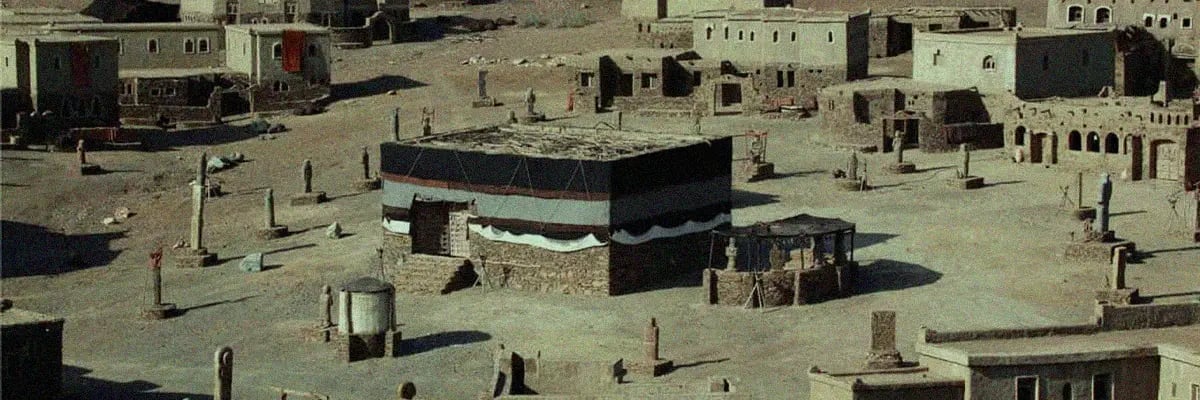

In the tenth year after the Prophet ﷺ began his mission, he returned to Makkah from Ṭāʾif during the month of Dhū al-Qaʿdah. It was the season of pilgrimage, when people from every corner of Arabia flocked to the Sacred House. The Prophet ﷺ used this gathering as an opportunity to meet tribal leaders face to face, calling them to Islam.
He approached the clans of Banū ʿĀmir, Muhārib, Fuḍārah, Ghassān, Murrah, Ḥanīfah, Sulaym, Banū Naḍr, Kindah, Kalb, ʿAbs, Banū al-Baqāʿ, and Ḥaḍramawt b. al-Ḥārith. Year after year, during the pilgrimage, he invited them—but none accepted. The people of Banū Ḥanīfah refused outright. Banū Kalb, despite their patriarch being named ʿAbdullāh—a name the Prophet ﷺ praised for its noble meaning—did not respond. Banū ʿĀmir listened, but asked, “If we support you, will leadership belong to us after you?” When he ﷺ did not agree, they turned away.
Later, when the men of Banū ʿĀmir returned home, they told an elder about the Prophet’s ﷺ words. On hearing it, the old man clasped his head in despair and said, “O sons of ʿĀmir! You have squandered a prize that can never be regained. If this truly came from a man of Ismāʿīl’s lineage, then his prophethood is real. And you rejected him!”
Suwayd
After the pilgrimage season, a few individuals from outside Makkah embraced Islam. Among the earliest was Suwayd, a native of Yathrib (later Madinah), a poet, nobleman, and man of intellect. His people called him al-Kāmil—“the complete one”—for his refinement and eloquence.
The Prophet ﷺ met Suwayd in dialogue. When invited to Islam, Suwayd replied, “Perhaps what you have is similar to the wisdoms I already possess.” The Prophet ﷺ asked, “And what do you have?” He said, “The wisdom of Luqmān.” The Prophet ﷺ requested him to recite some of it. After listening, the Prophet ﷺ said, “Fine words indeed. But what I have been given surpasses them—it is light and guidance revealed from Allah.” He then recited from the Qur’an.
Suwayd recognized its truth, praised it, and accepted Islam. He returned to Yathrib but was soon killed in the intertribal conflict of Buʿāth between the clans of Aws and Khazraj. Most reports place his acceptance of Islam in the eleventh year of the Prophet’s mission.
Iyās ibn Muʿādh
Another early heart was that of Iyās ibn Muʿādh, a youth of Madinah. Once, he and his companions traveled to Makkah. The Prophet ﷺ met them, introduced Islam, and recited the Qur’an.
Iyās, after listening attentively, turned to his people and said, “What we have just heard is far better than what we came here seeking.” He urged his companions to embrace the truth. But their leader, Abū al-Haytham, brushed it aside, scooping a handful of dust and flinging it at Iyās’ face, silencing him.
They returned to Yathrib, preparing for war as before. Not long after, Iyās fell ill and passed away. Yet he died as a believer, having embraced Islam in his heart and observed its worship before his final breath.


_1777358421433.webp&w=3840&q=75)