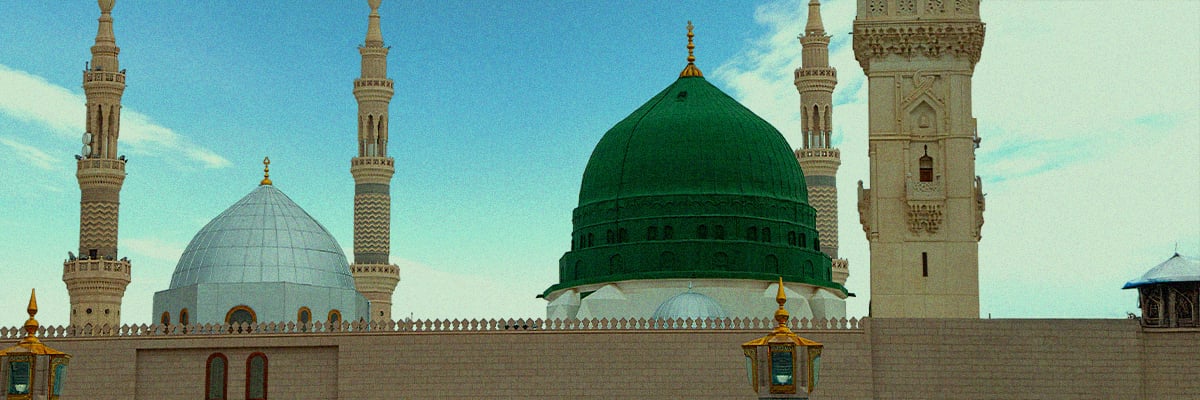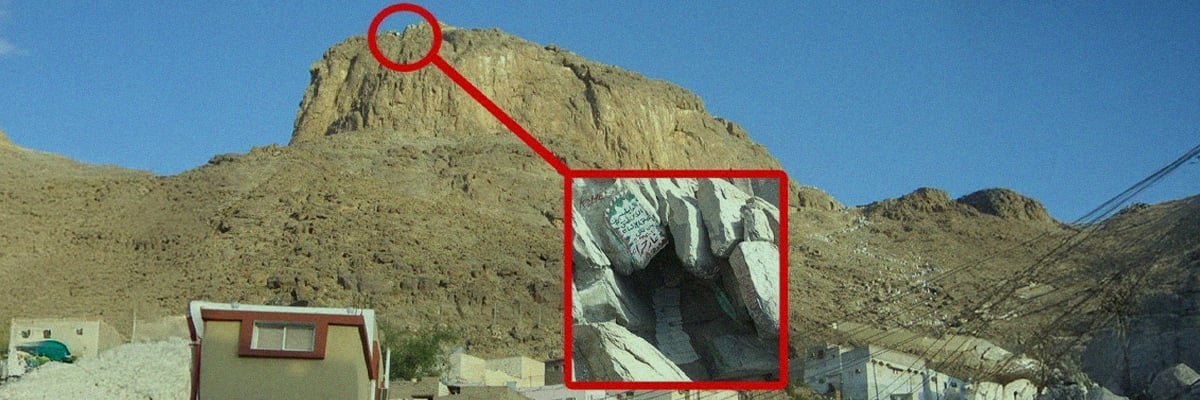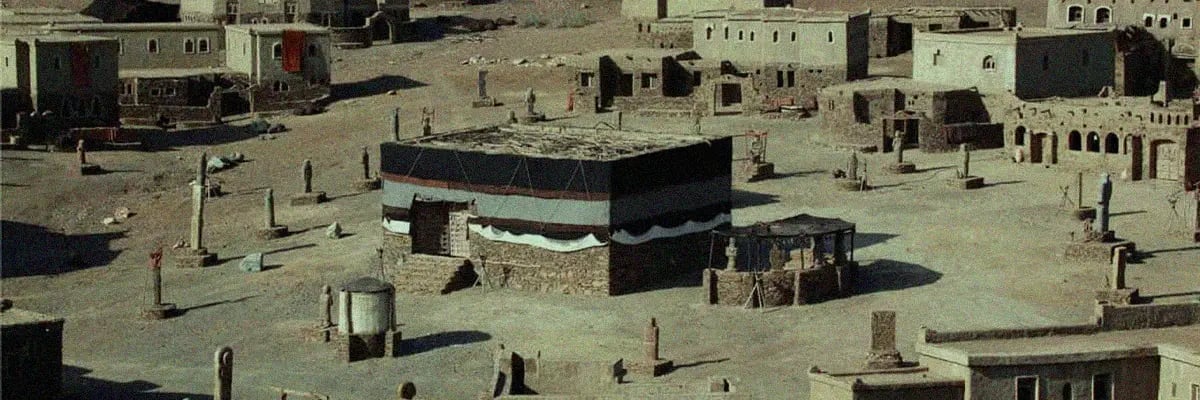

The Prophet ﷺ and his companions had come to see Yathrib as a shoreline of relief. He gave quiet leave for believers to slip away in small, discreet groups toward Madinah. From Makkah they set out—some alone, some together. The other side tried to dam the flow: travelers were seized on the road and dragged back, couples were torn apart, a few were bound inside their homes. Yet the Quraysh held back from open bloodshed; they feared the tribal war that might erupt if they pushed too far.
Would Muhammad ﷺ himself depart—or not? They could not tell. When the believers had fled to Abyssinia, he had remained in Makkah. Once, when Abū Bakr asked for permission to migrate, the Prophet ﷺ only said, “You will have a fine companion.”
Still, the Quraysh judged—rightly—that if the Prophet ﷺ joined the believers in Yathrib, an organized community would rise. They watched his every step. News reached Makkah that the number of Muslims in Madinah was swelling, that arrivals from Makkah were being woven into a single fabric. “What if Muhammad ﷺ takes the helm?” they muttered among themselves. “They could choke our caravans to Shām and lay siege to Makkah—just as we once starved them in the mountain pass for long months.” Their unease grew.
The first to reach Madinah (then Yathrib) was Muṣ‘ab ibn ‘Umair—not as a fugitive but as a teacher, sent to introduce Islam and teach the Qur’an. After him came Abū Salamah ibn ‘Abd al-Asad. Ibn Ishaq holds that his departure was a year before the Second ‘Aqabah pledge. His wife, Hind (Umm Salamah), was detained in Makkah for a full year. At last she set out alone on foot and reached Tan‘īm, the boundary of the Ḥaram, where ‘Uthmān ibn Ṭalḥah met her. He walked beside her and escorted her with honor all the way to Qubā in Madinah—though at that time he was still a polytheist; later he embraced Islam.
Umm Salamah would speak of that journey: “I have never seen a nobler man than ‘Uthmān ibn Ṭalḥah. Because I was traveling alone from Makkah, he helped me. When we reached a place to dismount, he would hold the camel’s rein, then step aside. I would alight and move a little away; he would lead the beast forward and tie it to a tree, then sit apart. When it was time to depart, he would bring the camel near, make it kneel, and step away. Once I had mounted and settled, he would take the rein and we would continue. It was like this until we reached Madinah. He brought me to Qubā and said, ‘There—your husband.’ Then he turned back to Makkah.”
Among those who set out for Madinah was ‘Abdullāh ibn Jahsh with his entire household; wife and children migrated together. His brother, Abū Aḥmad—visually impaired—traveled with them too. Though he could not see well, he used to move about Makkah without any guide at all.
At that time, Fāri‘ah, the daughter of Abū Sufyān, was ‘Abdullāh’s wife. After the family’s departure, Abū Sufyān took possession of their house—some said he had “purchased” it from Banū ‘Āmir. When word reached ‘Abdullāh ibn Jahsh, he brought his grievance to the Prophet ﷺ. The Prophet ﷺ consoled him: “In its place, Allah will grant you a house in Paradise. Will that suffice?” His heart settled, and he said it would.
Years later, when Muslims tasted victory in Makkah, Abū Aḥmad thought to mention that old house to the Prophet ﷺ. His companions gently restrained him: “What we surrendered for Islam—we do not ask back.” He agreed. What was once a door of clay in Makkah had already opened into a home of light.


_1777358421433.webp&w=3840&q=75)