
In the eleventh year after the first revelation, six men from Yathrib came to Mina during the season of pilgrimage. They met the Prophet ﷺ, embraced his message, and carried it back with them. Quietly, in their city, they began to spread what they had heard. That small beginning paved the way for the momentous pledges that were to follow.
The next year, when the sacred months and the days of pilgrimage returned, twelve men of Aws and Khazraj came from Yathrib. Among them were Asʿad ibn Zurāra, ʿUbādah ibn al-Ṣāmit, Abū ’l-Haytham ibn al-Tayyihān, and Saʿd ibn ʿUbādah. At al-ʿAqaba, in the darkness of night, they placed their hands in the hand of the Messenger of Allah ﷺ. They promised him that they would worship Allah alone without associating partners with Him, that they would not steal or commit adultery, that they would not kill their children, that they would not slander others, and that they would not disobey him in matters of goodness. If they kept this covenant, Paradise was theirs; if they faltered, their case rested with Allah, Who forgives or punishes as He wills.
When they departed, the Prophet ﷺ sent with them a young teacher, Muṣʿab ibn ʿUmayr, to instruct them in Qur’an and in faith. He stayed in Yathrib with Asʿad ibn Zurāra, and together they went from house to house, inviting people. Soon the city began to stir with the sound of Qur’an.
One day they set out to meet two of the city’s leaders: Usayd ibn Ḥuḍayr and Saʿd ibn Muʿādh. Usayd came first, angered that poor men were being swayed by this new call. But when Muṣʿab recited to him, his face softened, and light seemed to spread across it. He washed, clothed himself in clean garments, bore witness, and prayed. Then he said, “Behind me stands a man: if he accepts, none in his people will oppose him. That man is Saʿd ibn Muʿādh.”
When Saʿd came, the same scene was repeated. He listened, his heart opened, and he too entered Islam. Returning to his clan, he stood before them and declared: “You know my place among you. From this day I will not speak to any of you until you believe in Allah and His Messenger.” The entire clan followed him, save one man who delayed until the day of Uḥud. He joined then and fell in battle, never having made a single prostration, yet the Prophet ﷺ gave glad tidings that Paradise awaited him.
Thus Yathrib turned, house by house, to the new faith, until every household had embraced it except one. For the Prophet ﷺ, who had walked the streets of Makkah for ten years with little response, this news was a balm to the heart.
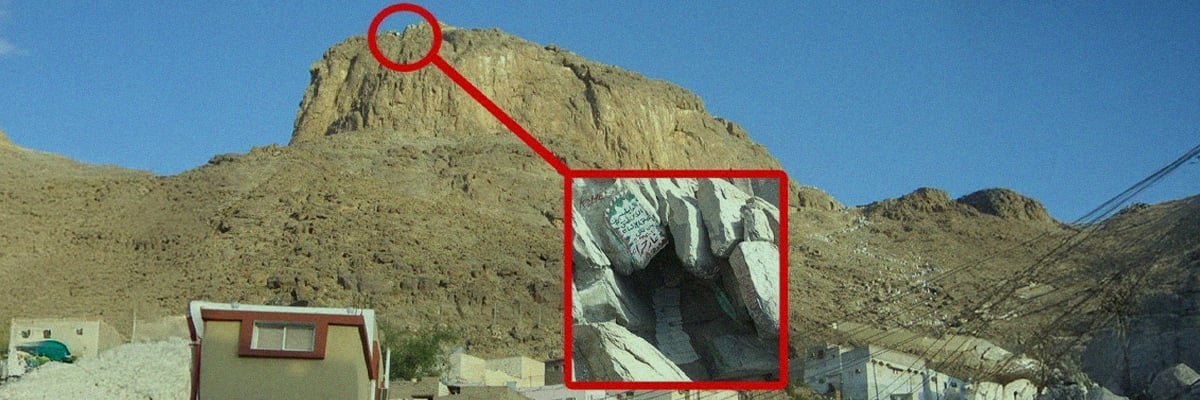
By the twelfth year of Prophethood, seventy-five pilgrims from Yathrib—seventy-three men and two women—came again to pledge their allegiance. They moved secretly at night, slipping from their tents at Mina so that none of their companions might know. They gathered on the hillside of al-ʿAqaba and waited in the dark. Soon the Prophet ﷺ arrived, accompanied by his uncle al-ʿAbbās, who still had not accepted Islam but who knew the weight of the pledge that was about to be made. He spoke first, warning the men of Yathrib that this was no small undertaking: “If you are ready to keep your word, then take him. If you think you will hand him over once hardship comes, then leave him now, for better to part today than betray tomorrow.”
The men of Yathrib replied with resolve. They listened as the Prophet ﷺ recited from the Qur’an, their hearts swelling with faith. Then they pledged: that they would obey him in ease and in hardship, that they would spend of their wealth in times of plenty and scarcity, that they would command what is right and forbid what is wrong, that they would fear no blame for the sake of Allah, and that they would protect him as they protected their own families. In return, he promised them Paradise. One by one, they stepped forward and placed their hands in his.
Among them stood Barāʾ ibn Maʿrūr, a leader of Khazraj, who declared that his people were men of war, inheritors of the sword from their ancestors, and that they would fight by the Prophet’s side. Another, Abū ’l-Haytham ibn al-Tayyihān, worried that once Allah had given him victory the Prophet might return to his kin and leave them. The Prophet ﷺ smiled gently and said: “Never. Your blood is my blood; your enemy is my enemy. I am of you and you are of me.”
Then ʿAbbās ibn ʿUbādah rose and told his people what this pledge meant: “You are pledging to fight all mankind. Are you ready to lose your leaders and your wealth, to see your men slain?” They answered with one voice: “Yes. We are ready. And what is our reward?” The Prophet ﷺ replied: “Paradise.”
The night echoed with their voices as they pledged. The Prophet ﷺ then chose twelve leaders from among them, nine from Khazraj and three from Aws, to be the stewards of their people. Just as Jesus had disciples, so now the Prophet ﷺ had his “helpers,” the Anṣār of Yathrib.
The pledge was sealed in secrecy, yet a cry rang out from a hidden onlooker: “Quraysh, Muhammad and his followers are preparing for war!” The men of Yathrib turned eagerly to the Prophet ﷺ, ready to strike Quraysh at Mina. But he forbade them. “I have not been commanded to fight,” he said. And so they dispersed quietly back to their tents.
By morning, the rumor had reached the Quraysh. They came storming to the Khazraj tents, demanding to know what pact had been made. The idol-worshippers among them swore they knew nothing. The Muslims held their tongues. For the moment, Quraysh had no proof. Only later did they confirm what had happened, and by then the pilgrims of Yathrib were on their way home. Saʿd ibn ʿUbādah was the only one they managed to seize; they beat him cruelly until two Makkan chiefs intervened to free him, repaying old debts of kindness.
For Quraysh, the realization was bitter. Thirteen years of persecution had not broken Muhammad ﷺ or his followers. Now a city was opening its gates to him, a city willing to defend him as one of their own. Fear and anger grew in Makkah. For the Muslims, hope had dawned: the path of Hijrah was about to begin.


_1777358421433.webp&w=3840&q=75)